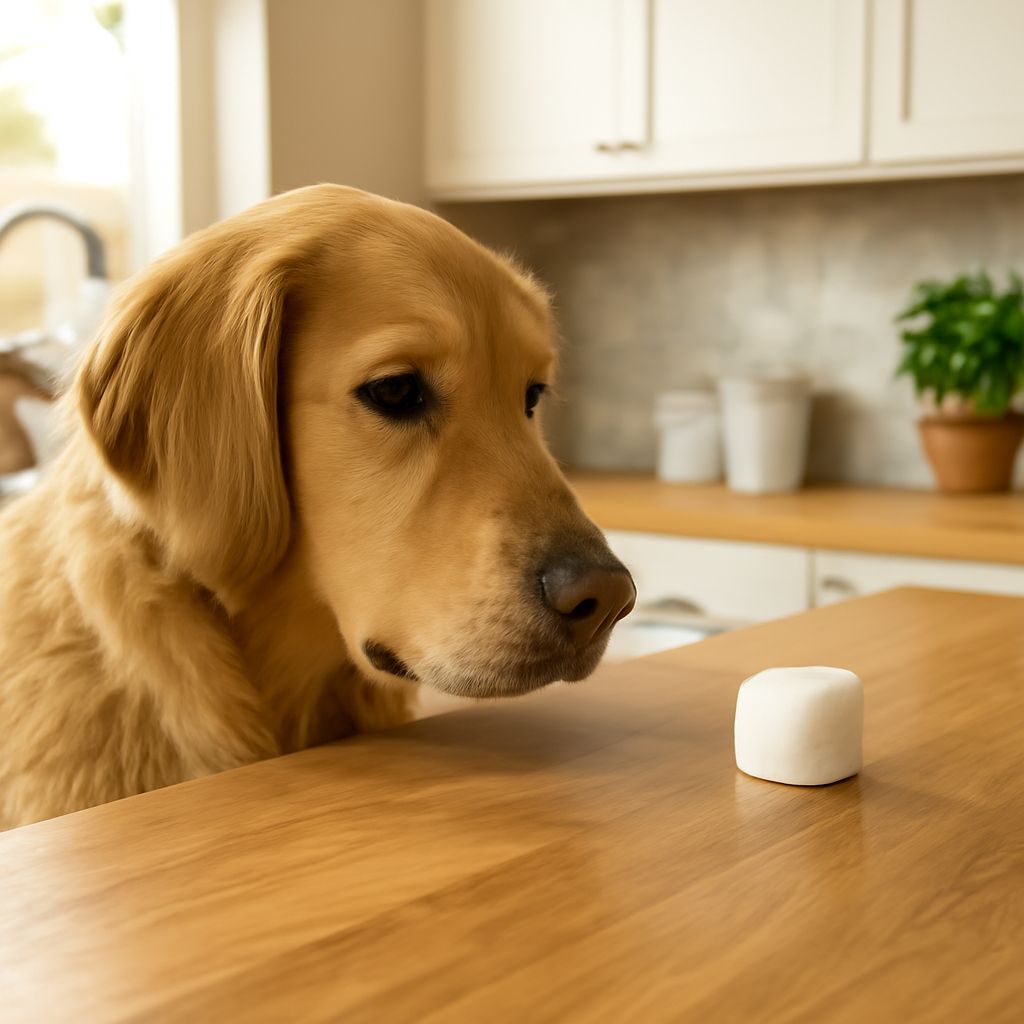

We all love to spoil our furry friends with treats, but it’s important to know what’s safe for them to consume. One question that often arises is, “Are marshmallows bad for dogs?” While these fluffy, sugary confections might seem harmless, they can actually pose significant risks to your pet’s health. In this article, we’ll explore why marshmallows are not the best choice for dogs and what safer alternatives are available. We’ll also guide you on what steps to take if your dog happens to sneak a marshmallow or two.
Understanding Marshmallows and Their Ingredients
Marshmallows are sweet treats primarily made of sugar, water, and gelatin. Some commercial marshmallows also contain corn syrup, artificial flavors, and food coloring. These ingredients are not only unnecessary for a dog’s diet but can also be harmful. Sugar, in particular, can lead to obesity and dental issues in dogs, while artificial additives may cause allergic reactions or digestive problems.
Why Are Marshmallows Bad for Dogs?
Marshmallows are bad for dogs for several reasons. First, their high sugar content can contribute to weight gain and obesity, which are risk factors for numerous health issues. Secondly, some marshmallows contain xylitol, a sugar substitute that is extremely toxic to dogs. Even a small amount of xylitol can lead to hypoglycemia, seizures, and liver failure in dogs.
Additionally, the gelatin in marshmallows, although not toxic, provides no nutritional benefit for dogs and can cause digestive upset. Therefore, it’s best to keep marshmallows out of your dog’s reach.
Potential Health Risks of Dogs Eating Marshmallows
If your dog eats marshmallows, they might experience several health risks. The immediate concern is the potential for xylitol poisoning. Symptoms can appear within minutes and include vomiting, lethargy, and loss of coordination. If you suspect your dog has ingested xylitol, seek veterinary assistance immediately.
Even marshmallows without xylitol can cause problems due to their sugar content. Frequent consumption can lead to obesity, diabetes, and dental decay. Moreover, large pieces of marshmallow can be a choking hazard, especially for smaller dogs.
Safe Treat Alternatives for Dogs
Instead of marshmallows, we have plenty of healthy treat alternatives that your dog will love. Consider offering small pieces of fresh fruits like apples or bananas, which provide natural sweetness without harmful additives. Carrots and green beans are also excellent low-calorie treats that are crunchy and satisfying for dogs.
For a special homemade treat, try baking some pumpkin dog biscuits or freezing plain yogurt into bite-sized cubes. These options are not only safe but also nutritious and easy to prepare.
What to Do If Your Dog Eats Marshmallows
If your dog eats marshmallows, don’t panic. First, check the packaging to see if xylitol is an ingredient. If it is, contact your veterinarian or an emergency animal clinic right away. Provide them with information about the amount consumed and any symptoms your dog is experiencing.
If xylitol is not a concern, monitor your dog for any signs of digestive distress, such as vomiting or diarrhea. Offer plenty of water and avoid giving any additional treats for the day. If symptoms persist, consult your veterinarian for advice.
Pro Tips Recap: Keeping our dogs healthy and happy means being mindful of their treats. Marshmallows, though tempting, are best avoided due to their potential health risks. Opt for healthier alternatives like fruits and vegetables, and always keep an eye on your pet’s diet to ensure their well-being. If your dog does eat a marshmallow, quick and informed action is key to managing their health effectively.