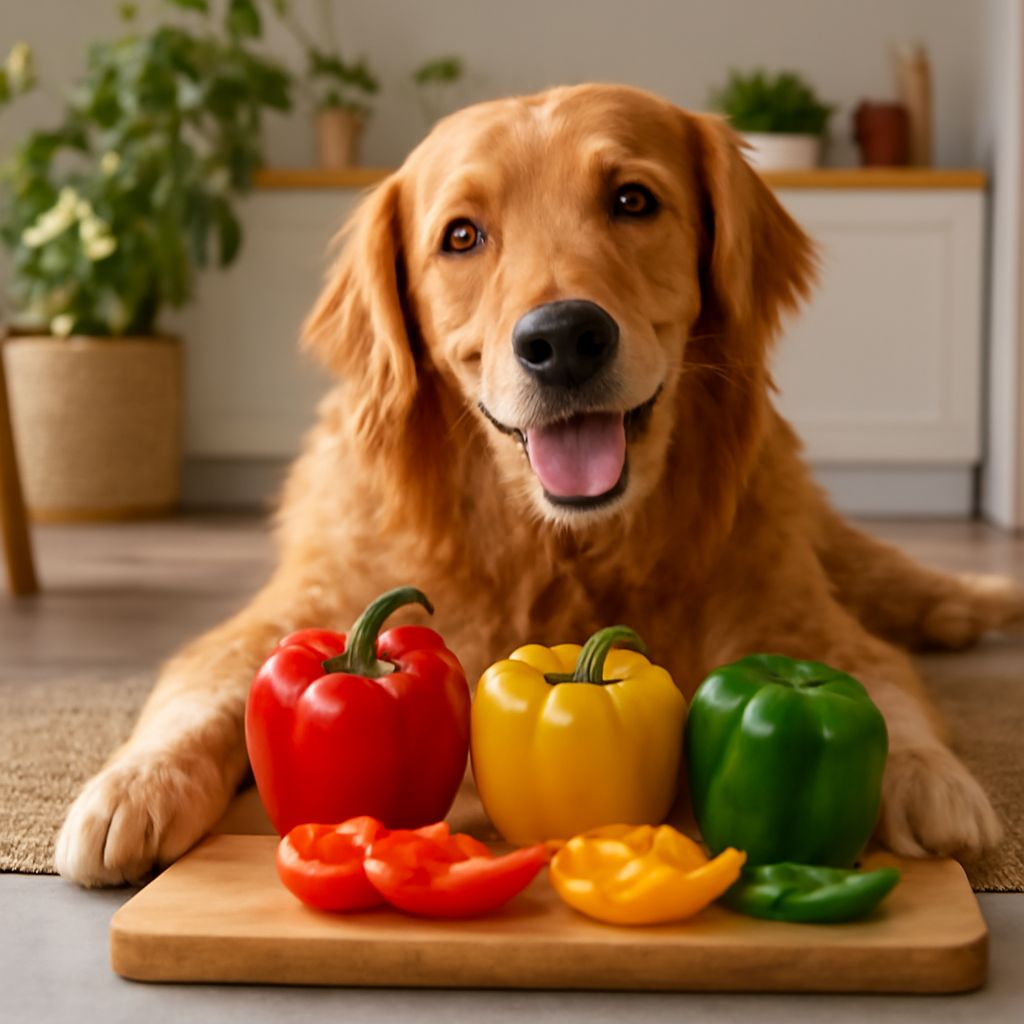

If your dog has grabbed a pepper, identify it first: a plain sweet bell pepper is generally safe, while a hot pepper or seasoned dish calls for more caution. Whether a dog can have a particular pepper depends on what it is and what came with it.
Wondering whether pepper is bad for your dog after a kitchen mishap? Check the ingredients and your dog’s behavior. A bite of plain bell pepper and a mouthful of chili-coated leftovers give you different things to watch for.
Is Pepper Bad for Dogs? It Depends on the Kind
The word “pepper” covers several foods. Sweet bell peppers are vegetables commonly sold in green, red, yellow, and orange. Hot peppers contain capsaicin, the compound responsible for their heat. Black pepper is a ground seasoning made from peppercorns, a different plant altogether. A spice blend may contain several ingredients, including onion or garlic.
So, can dogs have pepper? Plain bell pepper can be an occasional treat for most dogs. Hot peppers and heavily seasoned foods are poor choices because they can irritate the mouth and digestive tract. If you are deciding whether dogs can have sweet pepper, check that it is plain and free of other ingredients. If you ask, “Is pepper bad for dogs?” the answer changes with the variety and preparation.
Sweet Bell Peppers: Prepare Them Simply
The American Kennel Club describes bell peppers as non-toxic to dogs and recommends serving them plain. Green peppers for dogs are an option, as are the other bell pepper colors. Wash the vegetable, remove the stem and seeds, and cut the flesh into pieces suited to your dog’s size. A large, crunchy strip can be awkward for a small dog to chew. Dogs can have raw bell pepper, but cutting it into manageable pieces makes it easier to handle.
Raw pieces are an option; plain steamed pieces can be softer. Skip the oil, salt, sauces, and seasonings. If you’re preparing green bell peppers for your dog alongside dinner, set some aside before anything goes into the pan. A dog’s enthusiasm for the finished stir-fry is a terrible ingredient label.
Introduce a new food gradually and watch for changes in stool or appetite. Dogs with sensitive stomachs, medical conditions, or prescribed diets may need individual advice from their veterinarian before trying it. Your dog’s regular, complete diet remains the main meal; a vegetable is an extra, not a requirement. For dogs, green bell peppers should be prepared as carefully as red ones. Ask your vet whether your dog can have bell pepper given its own dietary needs.
Hot Peppers: Keep Them Off the Menu
Can dogs eat hot peppers? It’s best not to offer them. Jalapeños, cayenne, and other hot varieties can cause discomfort because of capsaicin. A dog that eats a hot pepper may drool, paw at its mouth, vomit, or develop diarrhea. Is hot pepper bad for dogs? Its heat can make eating it uncomfortable, and the response varies with the amount and the dog. Dogs that eat spicy peppers may need veterinary advice even if the food looked like an ordinary vegetable.
If your dog ate a hot pepper, remove the remaining food and offer fresh water. Don’t force anything into its mouth or try to make it vomit. Call your veterinarian for advice, particularly if the amount is unknown, your dog is uncomfortable, or symptoms appear. Have the name of the pepper and an estimate of the amount ready. Ask your vet whether the hot peppers your dog ate need prompt evaluation; a package or photo may help identify them.
A pepper’s color alone won’t tell you how hot it is. A green jalapeño is not a green bell pepper, even if both are in the produce drawer. Keep the hot varieties out of reach, including those growing in a garden or waiting on a cutting board. Check the label before setting a treat aside. Can dogs have pepper from an unidentified plant? Wait until you can identify it; appearance alone is a poor guide to its heat.
Ground Pepper and Mixed Seasonings
Black pepper from a shaker is not the same thing as a bell pepper. Whether black pepper is harmful to dogs depends partly on the amount; it can irritate the mouth or stomach. Can a dog have black pepper safely? Avoid adding it to meals; even a small amount can irritate a sensitive mouth. Is pepper bad for dogs when it comes from a shaker? The amount and the rest of the food matter. A lick of food with a trace of black pepper is a different situation from eating a pile of seasoning; note the amount and watch your dog, and call your vet if signs develop or you’re unsure about the exposure.
The bigger question with a spice mix is what else is in it. Onion and garlic, including powdered forms, are toxic to dogs. Sauces and prepared foods may also contain ingredients that change the risk. The ASPCA’s food safety list explains why onion and garlic deserve attention. If a dog has eaten food containing either, contact your veterinarian or animal poison control promptly rather than waiting for symptoms.
Is a seasoned pepper dish bad for dogs? Onion or garlic in the recipe makes it a reason to call your vet promptly. Read the entire ingredient list, not just the word “pepper.” Save the packaging and note approximately when and how much was eaten. If the ingredients are unknown, tell the vet that too. A recipe or photo can help.
After an Accidental Bite
For dogs and pepper, the practical response begins with the evidence in front of you. Take away the rest, identify the food, and estimate how much is missing. A small amount of plain sweet pepper in a comfortable dog generally calls for observation; a hot variety, an uncertain mixture, or a larger amount warrants a call for advice. Your veterinarian can account for your dog’s size, health, and symptoms.
A dog cannot safely have pepper mixed with onion or garlic. If that happened, call your vet or the ASPCA Animal Poison Control Center at 888-426-4435; a consultation fee may apply. Trouble breathing, collapse, or severe distress needs immediate emergency veterinary care. Don’t induce vomiting unless a veterinary professional directs you to do so. Keep the packaging for the call.
The most likely problem after a pepper snack is an upset stomach. Watch for vomiting, loose stools, reduced appetite, or unusual discomfort. If these develop, contact your vet for guidance; seek prompt care for repeated vomiting, blood, marked lethargy, or worsening signs. If you are unsure whether the pepper was harmful to your dog, tell your vet its variety, the amount eaten, and the signs you have seen.