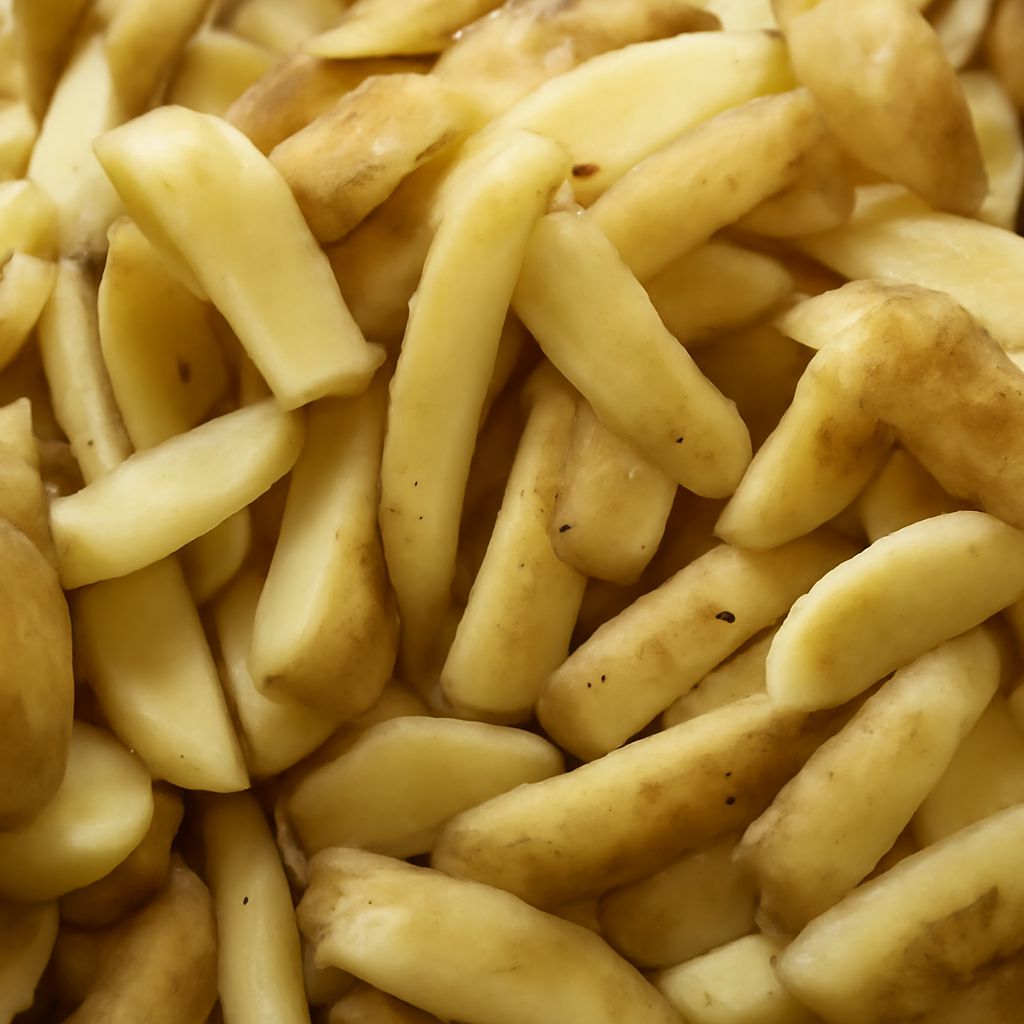

As dedicated pet owners, we are always searching for the best dietary options for our canine companions. One question that often arises is: can dogs have raw potatoes? With an increasing focus on feeding dogs real, whole foods, it’s natural to wonder whether raw potatoes for dogs are a healthy supplement or a potential hazard. Let’s explore the facts, addressing common concerns and providing practical advice for keeping our pets healthy and safe.
Knowing what foods are appropriate for our dogs is crucial to ensuring their well-being. Raw potatoes for dogs, in particular, is a topic that deserves careful consideration, as not all foods that are safe for us are suitable for our pets. In this article, we’ll discuss potential risks, nutritional aspects, and safe alternatives, so we can make informed choices for our furry friends.
Understanding Raw Potatoes for Dogs
Potatoes are a staple in many households, and it’s tempting to share them with our pets. Before adding this vegetable to their diet, we should understand its composition and how it interacts with canine digestive systems. Raw potatoes contain a range of nutrients, including fiber, vitamin C, vitamin B6, and minerals such as potassium and iron. However, the nutritional benefits of potatoes depend greatly on their preparation and serving method.
Unlike cooked potatoes, raw potatoes for dogs contain natural compounds that our canine companions may not tolerate well. While we know that cooked potatoes in moderation can be a source of carbohydrates and energy, raw potatoes are more problematic due to substances like solanine, which is toxic in higher quantities. The green parts and peels of potatoes are especially high in this compound, increasing the risk for our pets.
We often hear that dogs can eat a variety of fruits and vegetables, but the reality is that some raw foods may be difficult for dogs to digest or might even be harmful. Raw potatoes, for example, are harder for our dogs’ stomachs to process, potentially leading to gastrointestinal discomfort or worse. With an abundance of safer vegetable choices available, it is necessary to review the specifics before giving raw potatoes for dogs a try.
Can Dogs Have Raw Potatoes? Safety and Health Considerations
The straightforward answer to “can dogs have raw potatoes?” is no; raw potatoes are not recommended for dogs. The key reason lies in the presence of solanine—a naturally occurring chemical found in potatoes, especially when raw. Solanine can cause a range of symptoms in dogs if ingested, from mild digestive upset to more serious neurological effects in larger quantities.
While some pet owners may believe that since potatoes are a natural food, offering them raw is safe, evidence suggests otherwise. Even small portions of raw potatoes can pose risks, especially for puppies or dogs with sensitive digestive tracts. As responsible pet parents, our goal should be to minimize exposure to any potential toxins in our dogs’ diets. When we consider raw potatoes for dogs, it’s clear that the risks outweigh any minor nutritional benefits.
It’s also important to remember that dogs metabolize certain foods differently than humans. While we may be able to enjoy raw vegetables as part of a healthy diet, our dogs’ digestive systems are not adapted for the same range of raw produce. This difference emphasizes why we must be cautious and informed about what foods we share with them.
Potential Risks of Feeding Dogs Raw Potatoes
The primary risk associated with feeding raw potatoes to dogs stems from solanine toxicity. Solanine, which develops in all parts of the potato plant but is most concentrated in green or sprouted potatoes, affects nerve function and can lead to symptoms such as vomiting, diarrhea, lethargy, confusion, and in severe cases, even seizures. Because dogs are smaller than humans, it takes less solanine to cause harm.
Beyond solanine, raw potatoes are also starchy, which can be tough on a dog’s digestive system. Consuming raw potatoes may result in gastrointestinal upset, including bloating and abdominal pain. Dogs with pre-existing health concerns, such as diabetes or weight issues, are at even greater risk due to the carbohydrate load and the potential for blood sugar spikes.
There is also a choking hazard to consider. Raw potatoes are hard and may pose a risk of obstruction, particularly for smaller breeds or dogs that tend to gulp their food. These combined dangers make raw potatoes for dogs an unsafe choice, even if they seem harmless at first glance.
Safer Alternatives to Raw Potatoes for Dogs
Thankfully, there are numerous safe and nutritious alternatives to raw potatoes for dogs. Cooked potatoes—specifically, those that are plain and free from added fats, seasonings, or butter—can occasionally be offered in moderation. Cooking potatoes reduces solanine levels, making them safer for canine consumption. We should always peel the potatoes and avoid any that are green or sprouting.
Besides cooked potatoes, many vegetables are better suited for dogs. Steamed carrots, green beans, and sweet potatoes are popular choices that provide dietary fiber and essential nutrients without the risk of solanine toxicity. These options are easier for dogs to digest and can be prepared quickly as healthy treats or food toppers.
When considering what produce to include in our dogs’ diet, it’s always best to introduce new foods slowly and watch for adverse reactions. Consulting with our veterinarian ensures we’re meeting our pets’ nutritional needs in a safe and balanced way, especially when introducing foods beyond their regular dog food.
What to Do if Your Dog Eats Raw Potatoes
If we discover that our dog has eaten raw potatoes, the first step is to determine how much was consumed and whether any green or sprouted parts were involved. Mild cases may simply require monitoring for symptoms such as nausea, vomiting, diarrhea, or signs of abdominal discomfort. However, if a significant quantity was ingested or if our dog shows any worrying symptoms, seeking veterinary care is essential.
Prompt action is always best, particularly if our dog is small, very young, or has pre-existing medical conditions. Veterinary professionals can assess the situation, recommend treatments such as activated charcoal, and monitor for more serious problems like nervous system involvement or dehydration. Keeping potatoes—including peels and scraps—out of reach is a proactive way to prevent accidental ingestion.
Ultimately, awareness and education help us avoid the dangers of raw potatoes for dogs. By choosing safe alternatives and making informed decisions, we support the health and happiness of our canine companions for years to come.