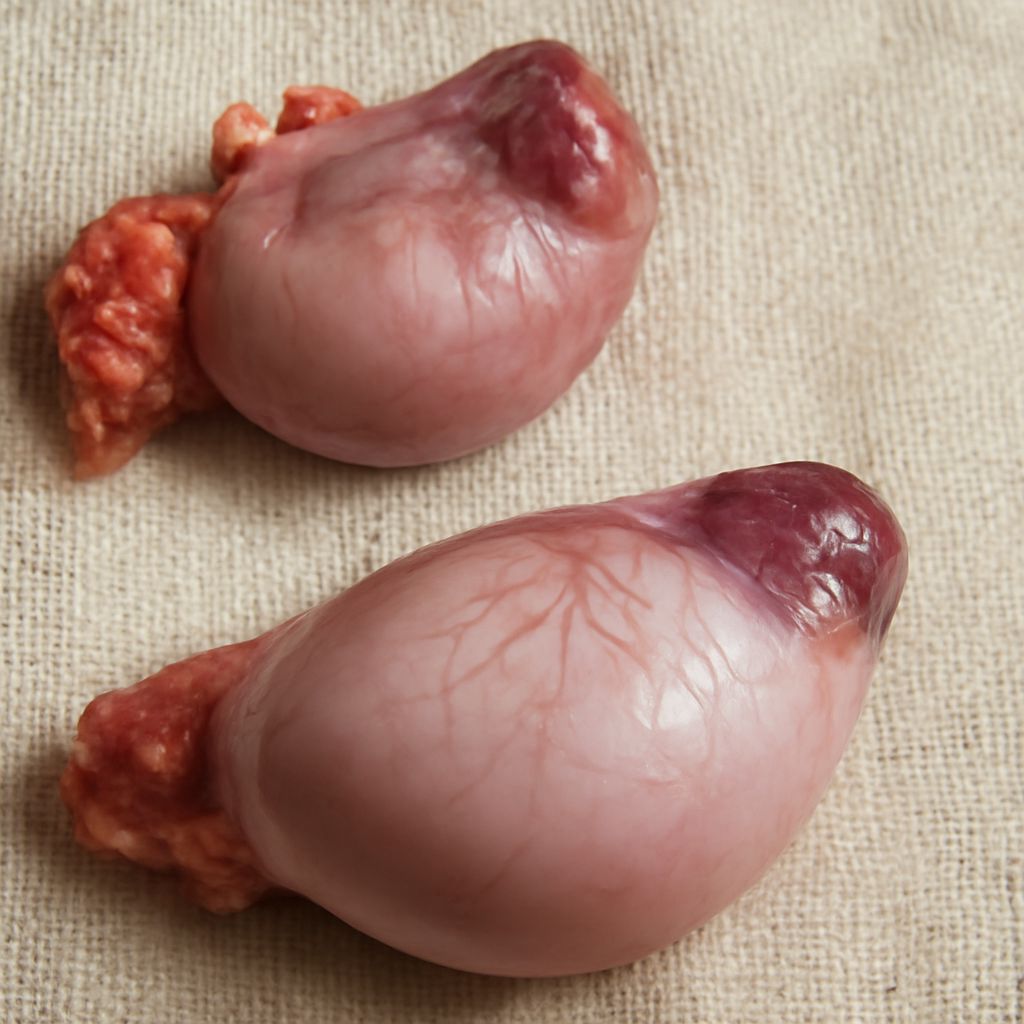

As pet owners and veterinary professionals, we recognize how important it is to monitor canine reproductive health. One condition that can affect male dogs is cryptorchidism—more commonly referred to as having an undescended testicle dog. Understanding how cryptorchid dog cases arise, their associated risks, and treatment options can help us make the best decisions for our pets’ long-term well-being.
Let’s delve into the causes, signs, and management of cryptorchidism so we’re prepared to support the dogs in our care with evidence-based recommendations and compassionate aftercare.
What Is a Cryptorchid Dog?
A cryptorchid dog is one in which one or both testicles fail to descend into the scrotum by the time of sexual maturity. In a typical male puppy, the testicles move from the abdomen through the inguinal canal into the scrotum within the first few months of life. However, in some puppies, this descent does not occur as expected, leading to a condition known as undescended testicle dog.
Cryptorchidism can be unilateral (only one testicle remains undescended) or bilateral (both testicles are retained). While some owners initially mistake this condition for a minor cosmetic issue, the implications go far beyond appearance. Dogs with retained testicles are at increased risk for several health complications and should be evaluated by a veterinarian early on.
This condition is most commonly identified during routine puppy exams. Breeds such as Poodles, Chihuahuas, Yorkshire Terriers, and Boxers are among those more frequently affected, but it can occur in any breed or mixed-breed dog. Early identification and intervention are essential for the best outcome.
Causes and Risk Factors for Undescended Testicle Dog Conditions
There are several factors that influence whether a dog develops cryptorchidism. Genetics play a significant role: the condition is considered hereditary, so dogs with cryptorchid relatives are more likely to be affected. Responsible breeders typically avoid breeding dogs with this trait to reduce its prevalence in future generations.
Other risk factors include hormonal imbalances or developmental disruptions during fetal growth, which can interfere with the descent of the testicles. In some instances, trauma or abnormalities in the inguinal canal or surrounding tissues can physically block the testicular descent, although these cases are less common.
We should also be aware that certain breeds have a predisposed risk for undescended testicle dog issues. Toy and miniature breeds are overrepresented, suggesting that breed-specific anatomical or genetic variables are at play. Male puppies who are premature or who experience health challenges during early development may also be at higher risk.
While environmental factors have been proposed as possible contributors, the strongest evidence still points to the hereditary nature of cryptorchid dog cases. Therefore, preventing the reproduction of affected animals is a crucial step in reducing the incidence of this disorder.
Recognizing Symptoms and Diagnosing Cryptorchid Dog Issues
The most obvious sign of cryptorchidism is a scrotum that appears empty or is missing one testicle. Owners may notice this during routine grooming or bathing, but it is most often confirmed during veterinary examinations. While a healthy, descended testicle is easily palpable within the scrotum, an undescended one may be found in the inguinal region or remain within the abdomen.
In some cases, the retained testicle may be too small to detect manually. Advanced imaging such as ultrasound can help veterinarians locate an undescended testicle dog when physical examination alone is inconclusive. Dogs with cryptorchidism may act normal, but some will show signs of discomfort if torsion (twisting) or other complications occur.
We should also be alert for secondary signs such as behavior changes, changes in urination patterns, or the development of testicular masses in older cryptorchid dogs. Determining whether a dog is truly cryptorchid or simply late in descending can be tricky, but by six months of age, testicular descent is unlikely to occur on its own.
Accurate diagnosis is essential for planning the most effective treatment and for protecting the long-term health of the affected animal.
Health Risks Associated with Cryptorchid and Undescended Testicle Dogs
The health risks linked to undescended testicle dog cases are significant and warrant prompt intervention. The most concerning complication is the dramatically increased risk of testicular cancer—specifically Sertoli cell tumors and seminomas. Retained testicles are up to 13 times more likely to develop tumors than normal, descended ones.
Additionally, an undescended testicle dog is at risk for testicular torsion, a painful condition where the retained testicle twists, cutting off its own blood supply. This is a surgical emergency and can cause severe systemic illness or even death if not treated immediately.
There are also behavioral and hormonal effects. Dogs with cryptorchidism may continue to produce testosterone, influencing unwanted behaviors and potentially affecting other organs. Because cryptorchidism is hereditary, breeding affected animals perpetuates these risks in the population.
For these reasons, early intervention is critical—not just for the individual dog’s health, but for responsible canine breeding as a whole.
Treatment and Surgical Options for Cryptorchid Dogs
The standard of care for a cryptorchid dog is surgical removal of both the undescended and normally descended testicles—a procedure known as cryptorchid neuter or orchiectomy. This approach eliminates the health risks associated with retained testicles and ensures that the genetic trait is not passed on.
Surgery can range from a straightforward neuter to a more complex abdominal procedure, depending on the location of the retained testicle. Inguinal testicles are usually accessible through a small incision, while abdominal testicles require more advanced techniques and careful postoperative monitoring.
Most dogs recover quickly from this surgery, and complications are rare when performed by an experienced veterinarian. We recommend that surgery be performed as soon as the diagnosis is confirmed, ideally before the dog reaches sexual maturity. Delay increases the risk of cancer and other complications.
While medical management has been explored, there is currently no effective non-surgical treatment for cryptorchidism in dogs. Ongoing research will continue to refine our surgical techniques and postoperative care protocols.
Caring for Your Dog After Surgery
Postoperative care is essential to ensure a smooth recovery for a cryptorchid dog. After surgery, we’ll need to monitor the incision site for redness, swelling, or discharge, and prevent the dog from licking or chewing at the sutures. Use of an Elizabethan collar or surgical suit can help protect the area while it heals.
Pain management is a key priority. Your veterinarian will provide medications to keep your dog comfortable and may recommend limiting activity for 10–14 days. Short, leashed walks and crate rest can minimize the risk of wound complications.
It’s important to follow all post-surgical instructions, including returning for suture removal or follow-up checks as advised. With proper care, dogs typically return to normal activity quickly and enjoy a full, healthy life after recovery.
If any unusual symptoms arise—such as lethargy, loss of appetite, or persistent discomfort—contact your veterinary team promptly for guidance.
Next steps: If you suspect your dog may be affected by cryptorchidism, schedule a veterinary evaluation as soon as possible. Early diagnosis and surgical treatment not only protect your pet’s health but also contribute to responsible canine stewardship. Stay vigilant with post-surgical care and regular checkups to ensure your dog recovers fully and remains healthy for years to come.