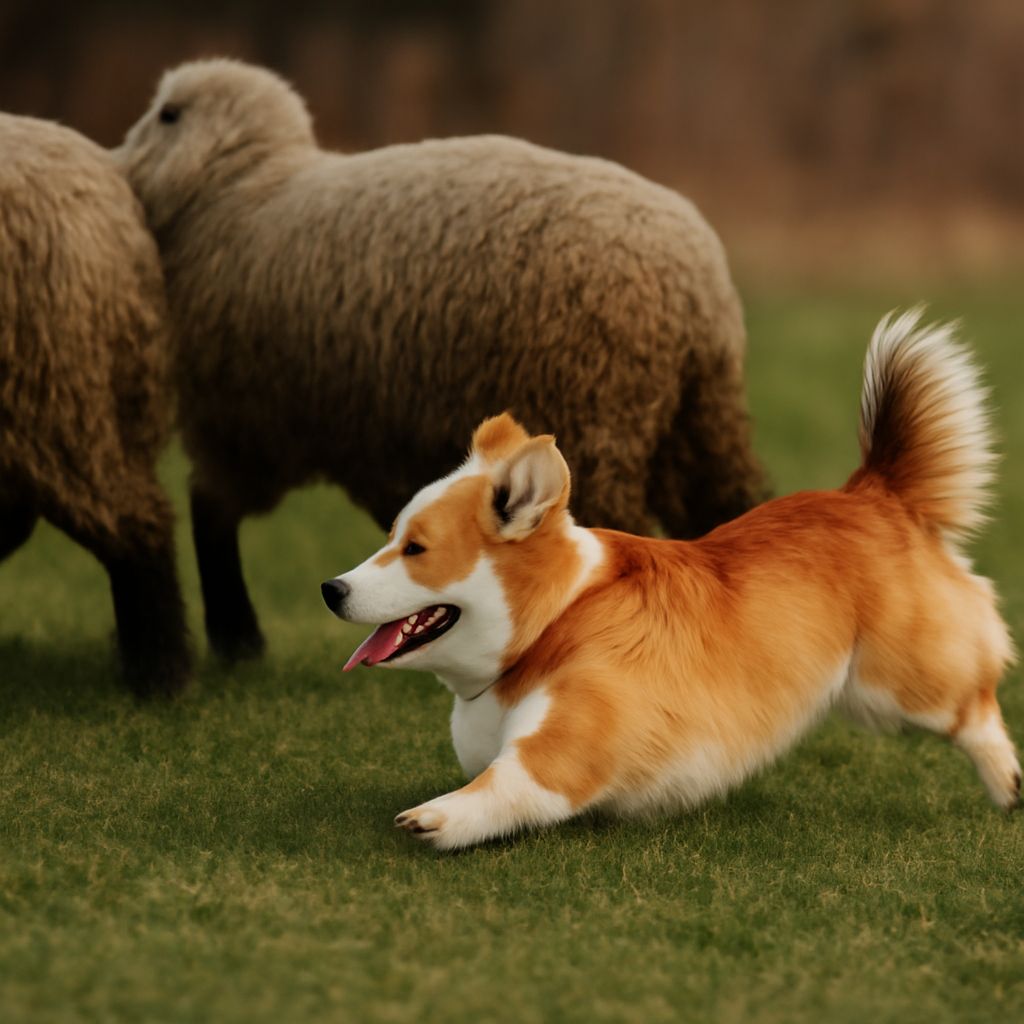

You’re planning your morning walk when a low-slung dog trots up with a toy and a determined look. If you’re considering a Pembroke corgi from Wales, that little scene offers a clue: this companion may have short legs, but he has plenty of opinions about how the day should go. Pembroke corgis from Wales were bred to work alongside people, and they still need opportunities to move, learn, and take part in family life.
Pembroke Welsh Corgis and their working roots
The Pembroke Welsh Corgi is a distinct breed developed in Wales to help move livestock. A low body, sturdy build, and alert expression make the dog easy to recognize. That working background also helps explain why a quiet living room can become interesting when children run through it: movement is something many of these dogs notice quickly.
Pembroke Welsh Corgis often enjoy working with their people. A corgi profile describes tendencies, not a promise about an individual. Some Pembroke corgis are outgoing and busy; others are more reserved or settle readily. Age, experience, health, and training all shape what you see at home. Spend time with the particular dog and ask a shelter or breeder what its days actually look like.
Names, mixes, and what appearance can tell you
Welsh corgis is a broad label covering two separate breeds: the Pembroke and the Cardigan. A Pembroke is a Welsh corgi, but the broader name alone doesn’t identify which breed someone means. “English corgi” is an informal name some people use for a Pembroke; the breed comes from Wales, and its recognized name is Pembroke Welsh Corgi.
A Pembroke Welsh Corgi mix has a Pembroke and another ancestry in its family tree. A Pembroke corgi mix might inherit the familiar short legs or large ears, yet its adult size, coat, and activity needs can vary. Ask about the individual dog’s known background and behavior, particularly if you’re adopting a puppy whose adult traits are still developing.
If a corgi purebred pedigree matters to you, ask for registration and pedigree records and discuss their meaning with the breeder or registry. A Pembroke-type Welsh corgi’s outline, ears, or tail alone cannot establish ancestry. Genetic testing can offer additional information, though the result depends on the test and its reference database.
Make movement part of the day
For a Welsh corgi, Pembroke owners can plan on regular activity rather than saving all the fun for Saturday. Healthy adult Pembroke corgis often enjoy a couple of walks, time to sniff, and a game or short training session. The American Kennel Club describes moderate daily exercise as a good fit for the breed. Build duration gradually and adjust for the dog’s age, fitness, weather, and any veterinary advice.
A walk around the block can be more engaging if you let your dog investigate scents along the way. At home, scatter a portion of a meal in a snuffle mat or teach a simple search for a toy. These small jobs give a bright dog something to solve without requiring a pasture full of sheep.
Young puppies need shorter, age-appropriate outings and plenty of rest. Avoid pushing a tired dog to keep up, and be careful with repeated high jumps or slippery landings. If your dog limps, seems reluctant to move, or struggles to get comfortable, pause the activity and contact your veterinarian.
Turn herding habits into household manners
A moving ankle or a squealing child can draw a herding dog’s attention. Give your dog a more appropriate job before the excitement builds: reward four paws on the floor, teach a hand target, or send the dog to a mat while people come through the door. Keep sessions short and reward the behavior you want to see.
If nipping starts during play, calmly stop the game and separate dog and child for a reset. Use gates or a leash when needed to prevent rehearsing the behavior, and supervise their interactions. Children can help by tossing a toy with an adult’s guidance instead of racing away from the dog. Persistent chasing or biting deserves help from a qualified reward-based trainer.
Many Welsh Pembroke corgis are alert to sounds outside, too. Practice rewarding a pause after a doorbell and offer a settled activity away from the window. A dog who has learned what to do when visitors arrive is easier to live with than one left to invent a job as neighborhood security chief.
Feed the dog in front of you
Choose a complete, balanced food appropriate for your dog’s life stage. Use the package amount as an initial guide, measure meals, and adjust with your veterinarian according to body condition and activity. You should generally be able to feel the ribs beneath a light layer of fat and see a waist from above; your veterinary team can show you how to assess your own dog.
Treats are handy for teaching, but the calories count. Set aside some of the daily food allowance for rewards, and include other treats when you review the day’s intake. Fresh water should always be available. If appetite, weight, or thirst changes noticeably, arrange a veterinary visit rather than making a large diet change on your own.
Care that fits into the week
Brush the dense double coat regularly to remove loose hair and check the skin. Trim nails before they become long enough to interfere with comfortable walking, inspect ears for redness or odor, and build a toothbrushing routine with dog-safe toothpaste. A nonslip mat can make grooming easier for a dog learning to stand still.
Routine veterinary visits are a chance to discuss weight, mobility, dental health, and any changes you’ve noticed. If you’re considering a puppy, ask the breeder which health screenings were performed on both parents and request the actual results; the OFA explains how breed-specific screening recommendations work.
Does your schedule have room for this dog?
Picture an ordinary Tuesday. Can someone provide a morning walk, a break during a long workday, an evening outing, and a few minutes of training or play? If everyone is away for most of the day, a reliable dog walker or other care can fill part of that gap. If your household enjoys daily interaction and can manage training around children and visitors, this lively little worker may fit beautifully. If quiet, minimal activity and long stretches alone are essential to your routine, consider a dog whose individual needs fit that schedule better.