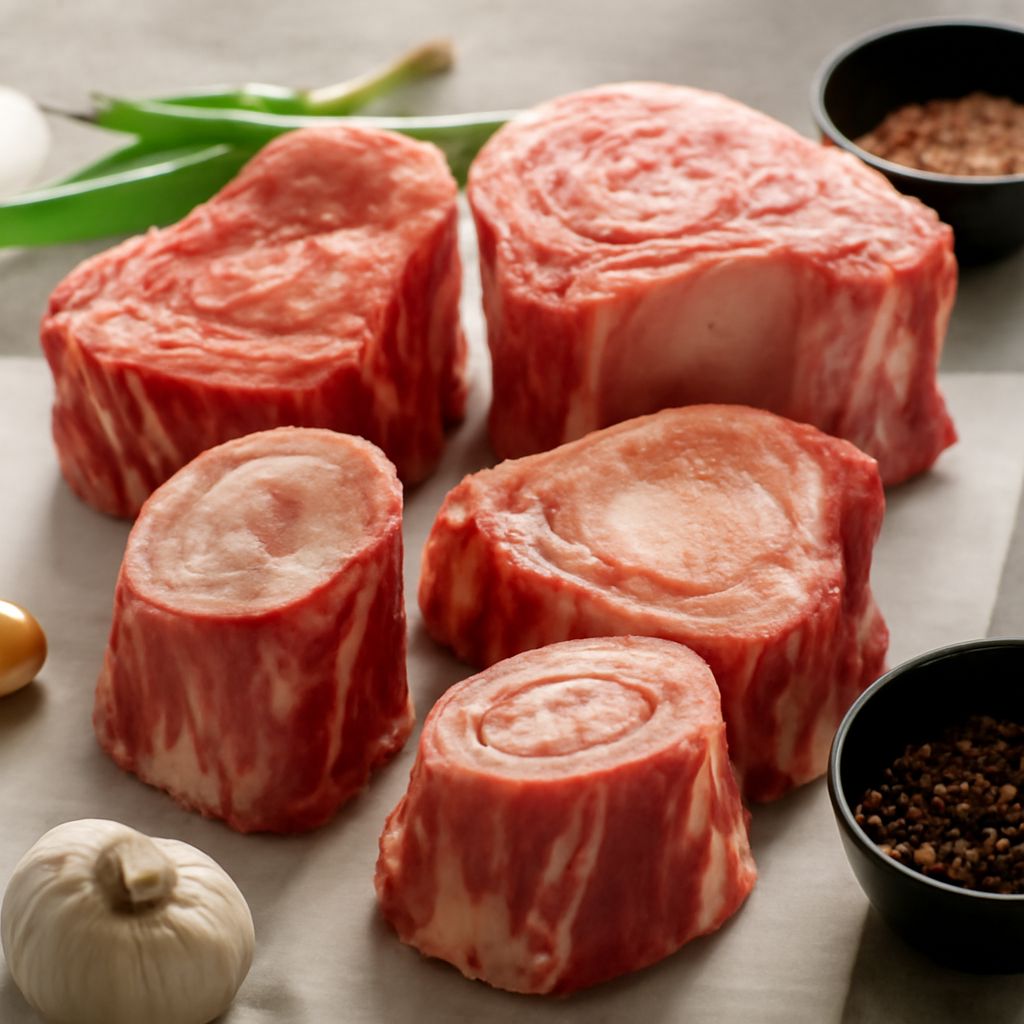

As responsible pet owners, we constantly seek to optimize our dogs’ nutrition while ensuring their safety. A common question we encounter is, “Can dogs have cooked beef bones?” Cooked beef bones for dogs are often thought of as a tasty treat, but they come with significant risks. It’s crucial to understand these dangers and explore safer alternatives to keep our furry friends healthy and happy.
Understanding the Risks of Cooked Beef Bones for Dogs
Cooked beef bones may seem like a natural treat; however, they pose several risks to our dogs. When beef bones are cooked, they become brittle and prone to splintering. These sharp fragments can cause damage to a dog’s mouth, throat, and digestive tract. As pet owners, it’s our duty to be aware of these potential hazards.
Moreover, cooked bones can lead to further complications such as blockages or perforations in the intestines. These issues not only cause significant discomfort but can also necessitate emergency veterinary care. Given these serious risks, it’s crucial to evaluate whether the potential enjoyment is worth the danger.
Why Cooked Beef Bones Are Not Recommended
Feeding cooked beef bones to dogs is generally not recommended due to the increased likelihood of splintering. Unlike raw bones, cooked ones lose their elasticity and become prone to breaking into sharp pieces. These splinters can lead to a range of health problems, some of which can be life-threatening.
Aside from physical damage, cooked bones can also pose a choking hazard. Even small fragments can cause obstruction in the throat or gastrointestinal tract, leading to respiratory distress or severe digestive issues. Therefore, it’s advisable to avoid cooked beef bones and consider safer options for our canine companions.
Signs of Complications from Eating Cooked Bones
Recognizing the signs of complications from consuming cooked beef bones is essential for timely intervention. Symptoms may include drooling, coughing, or difficulty swallowing, indicating possible throat injuries or blockages. Additionally, if a dog exhibits vomiting, abdominal pain, or changes in bowel movements, it could signify gastrointestinal distress or obstruction.
In severe cases, dogs may show signs of lethargy or a lack of appetite. These symptoms require immediate attention from a veterinarian to prevent further health deterioration. Being vigilant and responsive to these signs can make a significant difference in ensuring our dog’s well-being.
Safe Alternatives to Cooked Beef Bones
Fortunately, there are numerous safe alternatives to cooked beef bones that can provide similar enjoyment without the associated risks. Raw bones, for instance, are generally safer as they are less likely to splinter. However, choosing the right size and type of raw bone for your dog’s size and chewing habits is crucial.
Other options include specially designed chew toys and dental treats that promote dental health and satisfy a dog’s natural urge to chew. These products are manufactured to be durable and safe, reducing the risk of injury or digestive complications.
Tips for Ensuring Your Dog’s Nutrition
While considering alternatives to cooked beef bones, it’s important to ensure that our dogs receive a balanced diet tailored to their specific needs. Consulting with a veterinarian can help in creating a diet plan that incorporates all essential nutrients, supporting overall health and longevity.
Providing a variety of safe, nutritious treats can also supplement a dog’s diet. Options such as carrots, sweet potatoes, and high-quality commercial dog treats can be both enjoyable and beneficial. By prioritizing safety and nutrition, we can contribute to our pet’s long-term health and happiness.
In conclusion, while the idea of giving cooked beef bones to dogs might initially seem appealing, understanding the associated risks and exploring safer alternatives is crucial. By keeping informed and making conscious choices, we can ensure the safety and wellness of our beloved pets.