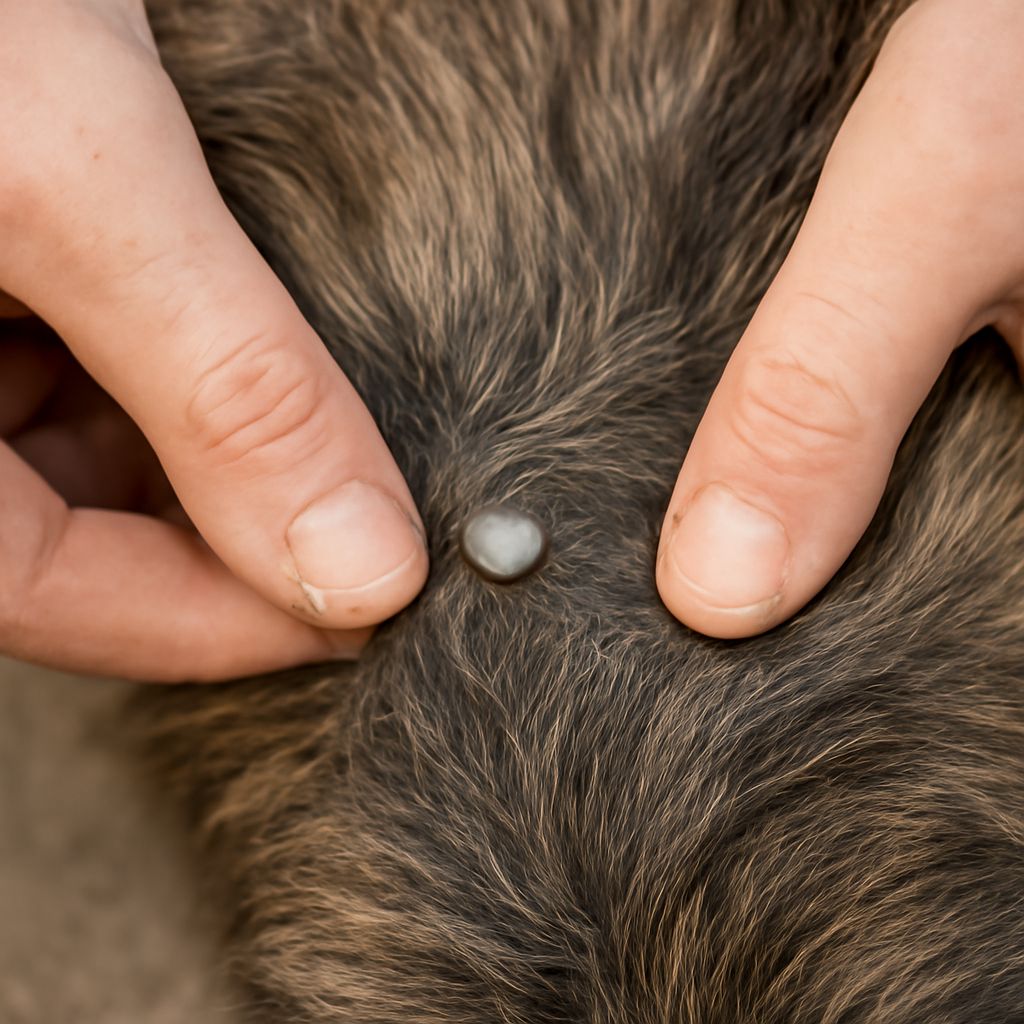

Ticks are more than just annoying pests; they can pose serious health risks to our canine companions. One challenging and somewhat common situation we face is when a tick head gets stuck in a dog. It’s essential to understand how to get a tick head out of a dog safely to prevent complications. In this article, we will explore the problem of a tick head stuck in a dog, provide a step-by-step guide for its removal, and discuss common mistakes to avoid. We’ll also cover aftercare tips, when to consult a veterinarian, and strategies for preventing future incidents.
Understanding the Problem of a Tick Head Stuck in a Dog
When a tick bites a dog, it attaches firmly by embedding its mouthparts into the skin. If not removed properly, the body of the tick may detach, leaving the head lodged in the dog’s skin. A tick head stuck in a dog can cause skin irritation and inflammation, potentially leading to infection if not addressed promptly. It’s crucial to recognize this issue early and act quickly to mitigate potential complications.
How to Get a Tick Head Out of a Dog: Step-by-Step
Successfully removing a tick head from a dog requires careful attention and proper technique. Here’s a comprehensive step-by-step guide:
- Prepare the Area: Use a clean pair of tweezers or a tick removal tool. Disinfect the tool with rubbing alcohol.
- Expose the Tick Head: Gently part the fur around the tick head stuck in the dog to gain better visibility.
- Remove the Tick Head: With steady hands, grasp the tick head as close to the skin’s surface as possible. Slowly pull upwards with even pressure. Avoid twisting or jerking the head out, as this can cause it to break.
- Disinfect the Wound: After removal, clean the area with antiseptic or alcohol to prevent infection.
- Monitor for Signs of Infection: Watch for redness, swelling, or pus, which could indicate infection.
Common Mistakes When Removing a Tick Head from a Dog
In our experience, there are several common mistakes pet owners make when attempting to remove a tick head from a dog:
- Using Fingernails: Fingernails do not provide the precision needed and can crush the tick, increasing the risk of infection.
- Twitching or Twisting: These actions can break the tick head, making removal more difficult.
- Applying Substances: Do not apply alcohol, matches, or any other substances to a tick, as these can cause the tick to regurgitate, increasing the risk of disease transmission.
Aftercare for a Dog with a Tick Head Stuck
After successfully removing a tick head from a dog, proper aftercare is vital to ensure healing and prevent infections. Clean the area with antiseptic daily and observe for any signs of infection. If the site appears red, swollen, or produces discharge, it may indicate an infection that requires veterinary attention. Keep your dog from scratching or licking the area to promote healing.
When to Consult a Veterinarian
While many tick head removals can be handled at home, there are times when consulting a veterinarian is the best course of action. If we notice persistent swelling, pus, or if the tick head appears deeply embedded, professional medical intervention may be necessary. Additionally, if your dog shows signs of illness, such as fever, lethargy, or decreased appetite, seek veterinary advice promptly.
Preventing Future Tick Head Incidents in Dogs
Prevention is always better than cure when it comes to ticks. Regularly check your dog for ticks, especially after outdoor activities in tick-prone areas. Use veterinarian-approved tick preventatives, such as collars, topical treatments, or oral medications. Keeping your yard well-maintained and minimizing leaf litter and tall grass can also reduce tick habitats, thus minimizing the risk of a tick head getting stuck in your dog.