
As responsible pet owners, it’s crucial that we pay attention to our furry companions’ well-being. One aspect of their health that can be challenging to monitor is their eyesight. Is my dog blind? How can we tell if our dog is going blind? These are common questions many pet owners have when they notice changes in their dog’s behavior. In this article, we will explore the common signs of a dog going blind, how to assess vision changes, and steps to take to ensure our pets’ comfort and safety.
Understanding Vision Changes in Dogs
Dogs, like humans, can experience changes in their vision as they age or due to various health conditions. While some dogs are born with vision impairments, others may develop them over time. Understanding these changes is essential in identifying if our dog is going blind.
As pets age, it’s natural for their eyesight to decline. This process can be gradual and may first manifest as difficulty in seeing at night or in low-light conditions. Additionally, certain breeds are predisposed to eye conditions such as cataracts or glaucoma, which can lead to blindness if left untreated. It’s important to stay vigilant and regularly observe any shifts in their visual acuity.
Common Symptoms of Dog Going Blind
Recognizing the signs of a dog going blind can help us take prompt action. Some common symptoms include:
- Bumping into furniture or walls, indicating a decline in spatial awareness.
- Reluctance to jump or climb stairs they previously managed without hesitation.
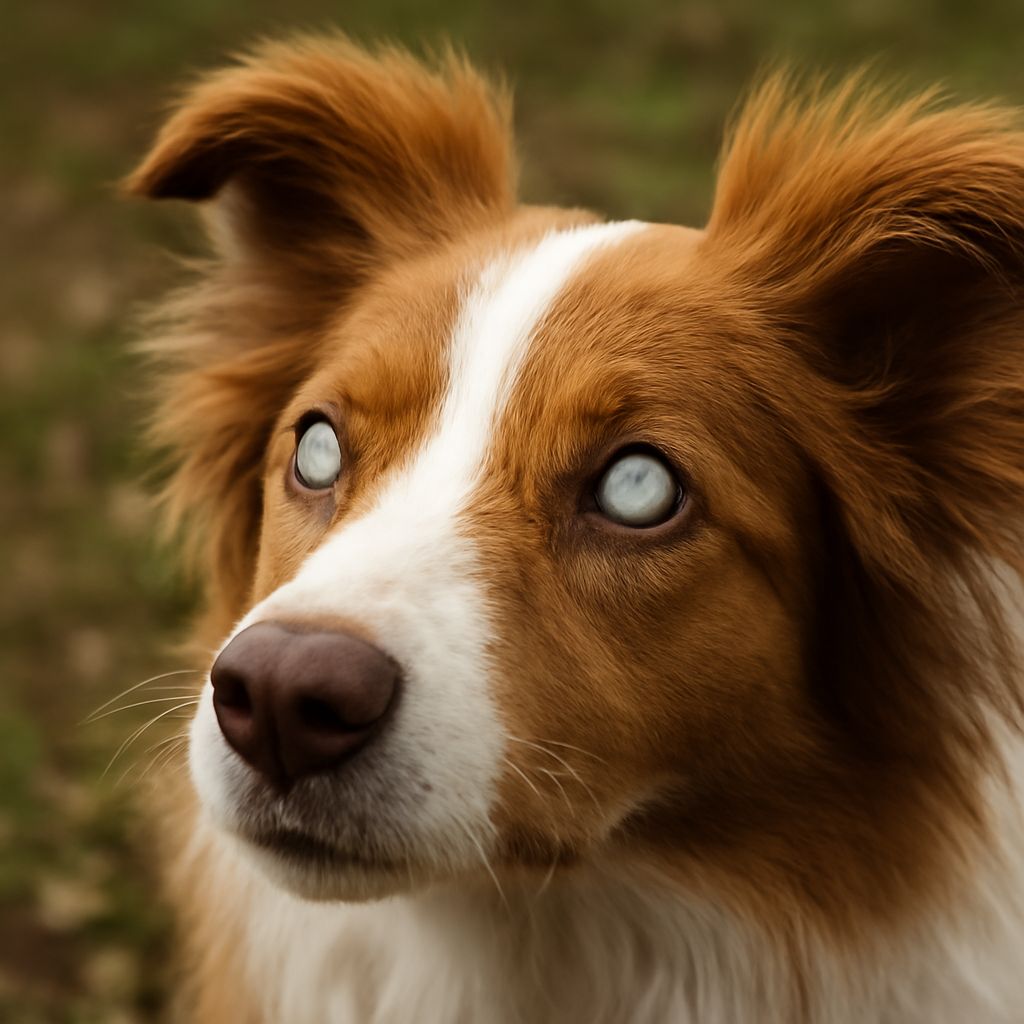
- Cloudy or discolored eyes, which may suggest cataracts or another eye condition.
- Increased anxiety or clinginess, particularly in unfamiliar environments.
- Changes in behavior, such as hesitance to explore or interact with their surroundings.
These symptoms warrant a closer look to determine if they indicate a more serious issue.
How to Tell if Your Dog is Blind at Home
While a veterinary assessment is essential for a conclusive diagnosis, there are simple ways to assess if your dog is blind at home. Begin by observing their ability to navigate familiar spaces. Does your dog hesitate or show uncertainty in areas they’ve frequented comfortably before?
Another method is the cotton ball test. Gently toss a cotton ball in front of your dog. Since cotton balls are silent, a dog with good vision will react by chasing or looking at it. If your dog doesn’t respond, it may be a sign of vision impairment. Similarly, observe their reaction to sudden lights or shadows; a reduced response could indicate vision loss.
Veterinary Diagnosis and Treatment Options
If you suspect your dog is blind, it’s crucial to consult your veterinarian for a comprehensive evaluation. A veterinary ophthalmologist can conduct a series of tests to assess your dog’s vision. These may include an eye examination, ultrasound, or specialized imaging.
Treatment options depend on the underlying cause of blindness. For example, cataracts might be treated with surgery, while certain infections can be addressed with medication. Early intervention can prevent further deterioration and improve your dog’s quality of life.
Caring for a Blind Dog
Caring for a blind dog requires some adjustments to ensure their safety and comfort. Start by maintaining a consistent environment, as changes can be disorienting for a blind dog. Keep furniture in the same place and eliminate hazards such as sharp edges or obstacles.
Enhancing their other senses can aid in their adaptation. Use different textures and scents to mark important areas like food and water bowls or steps. Training with verbal cues and signals is also beneficial to guide them through daily activities.
It’s essential to be patient and gentle, offering reassurance and support as they adapt to their new reality. With love and care, blind dogs can lead fulfilling, happy lives.
Safety Recap: When dealing with a dog going blind, always consult a veterinarian for a proper diagnosis and treatment plan. Use home detection tips to monitor your dog’s condition, and ensure your home environment is safe and accommodating for their needs.