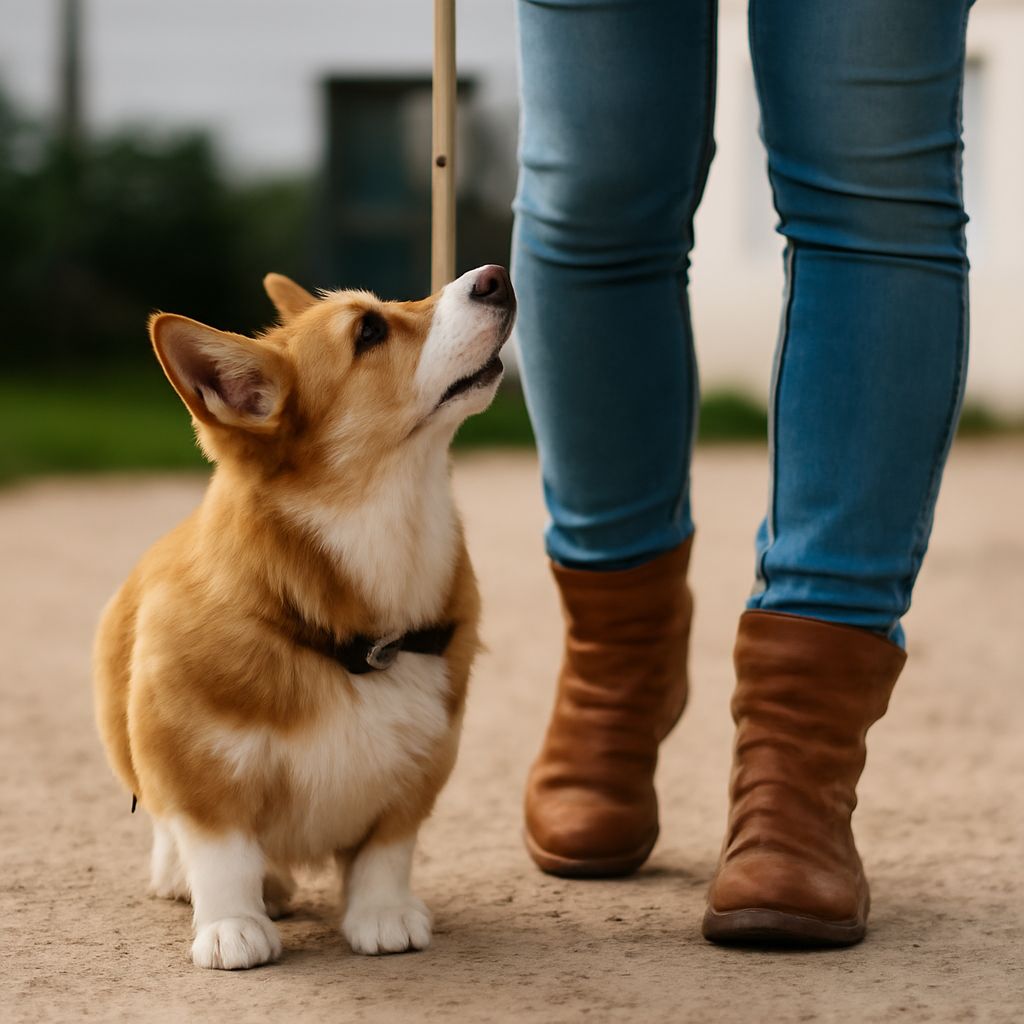

Training a dog to walk on a leash is a fundamental skill that every dog owner should master. Whether you are introducing a puppy to its first leash experience or correcting an older dog’s pulling habits, understanding how to train a dog to walk on a leash is crucial. This guide will walk you through the basics, ensuring that both you and your furry companion enjoy your walks together. Let’s explore effective methods and tips for leash training a dog.
Understanding the Basics of Leash Training
Before we dive into the specifics of how to leash train a dog, it’s important to grasp the basics. Leash training is not just about walking; it’s about building trust and communication between you and your dog. A well-trained dog will not only make walks more enjoyable but also safer for both of you.
Begin by familiarizing your dog with the leash. Allow them to sniff and explore it before attaching it. This helps in reducing the initial anxiety or fear they might have towards the leash. Remember, patience and positive reinforcement are key components in training a dog to walk on a leash.
Choosing the Right Equipment
Having the right equipment can make a significant difference in leash training a dog. Start with a suitable leash and collar or harness. The leash should be sturdy yet comfortable to hold, while the collar should fit snugly without causing discomfort.
Some dog owners prefer harnesses over collars, especially for dogs that tend to pull. A harness can provide better control and prevent strain on the dog’s neck. Whichever you choose, ensure it’s secure and that your dog is comfortable wearing it during the walk.
Step-by-Step Guide to Leash Training
Now that we have the equipment ready, let’s move on to the steps involved in leash training a dog. Begin training sessions in a calm, distraction-free environment. A familiar space like your backyard or living room is ideal.
- Introduce the Leash: Attach the leash to your dog’s collar or harness and allow them to walk around with it indoors. This helps them get used to the feeling of being tethered.
- Start Indoors: With the leash on, practice short indoor walks. Use treats and verbal praise to encourage your dog to follow you.
- Gradual Progression: Once comfortable indoors, move the training outdoors. Begin in a quiet area, gradually increasing the distance and exposure to distractions.
- Use Commands Consistently: Utilize commands like “heel” or “walk” to guide your dog. Consistency is crucial in teaching them what is expected during walks.
- Positive Reinforcement: Reward your dog with treats and praise when they follow commands and walk calmly by your side.
Common Challenges and Solutions
Leash training a dog can come with its set of challenges. Some dogs might pull excessively, while others may refuse to move. Addressing these behaviors promptly is important to ensure successful training.
For pulling, stop walking and wait for your dog to relax before proceeding. Consistency in this action teaches your dog that pulling won’t get them where they want to go. For reluctant walkers, encourage movement with treats or toys, slowly building their confidence and interest in walking.
Tips for Consistent Training
Consistency is key in any training regimen. Establish a regular training schedule and stick to it. Short, frequent sessions are more effective than long, sporadic ones. Always end each session positively, ensuring your dog associates leash training with enjoyable experiences.
Additionally, be patient. Training a dog to walk on a leash is a gradual process, and progress may vary depending on the dog’s personality and previous experiences. Celebrate small victories and maintain a positive attitude throughout the training journey.
FAQs on Leash Training
Q: How long does it take to leash train a dog?
A: The time it takes to leash train a dog can vary. Some dogs may learn within a few weeks, while others may take longer. Consistent practice and positive reinforcement are essential for success.
Q: Can older dogs be leash trained?
A: Yes, older dogs can be leash trained. While it might take more patience, the same principles of consistency and positive reinforcement apply to dogs of all ages.
Next Steps: Now that we have covered the essentials of leash training, practice regularly and remain patient. Monitor your dog’s progress and adjust techniques as needed. With dedication and understanding, you’ll soon enjoy smooth and enjoyable walks with your well-trained canine companion.