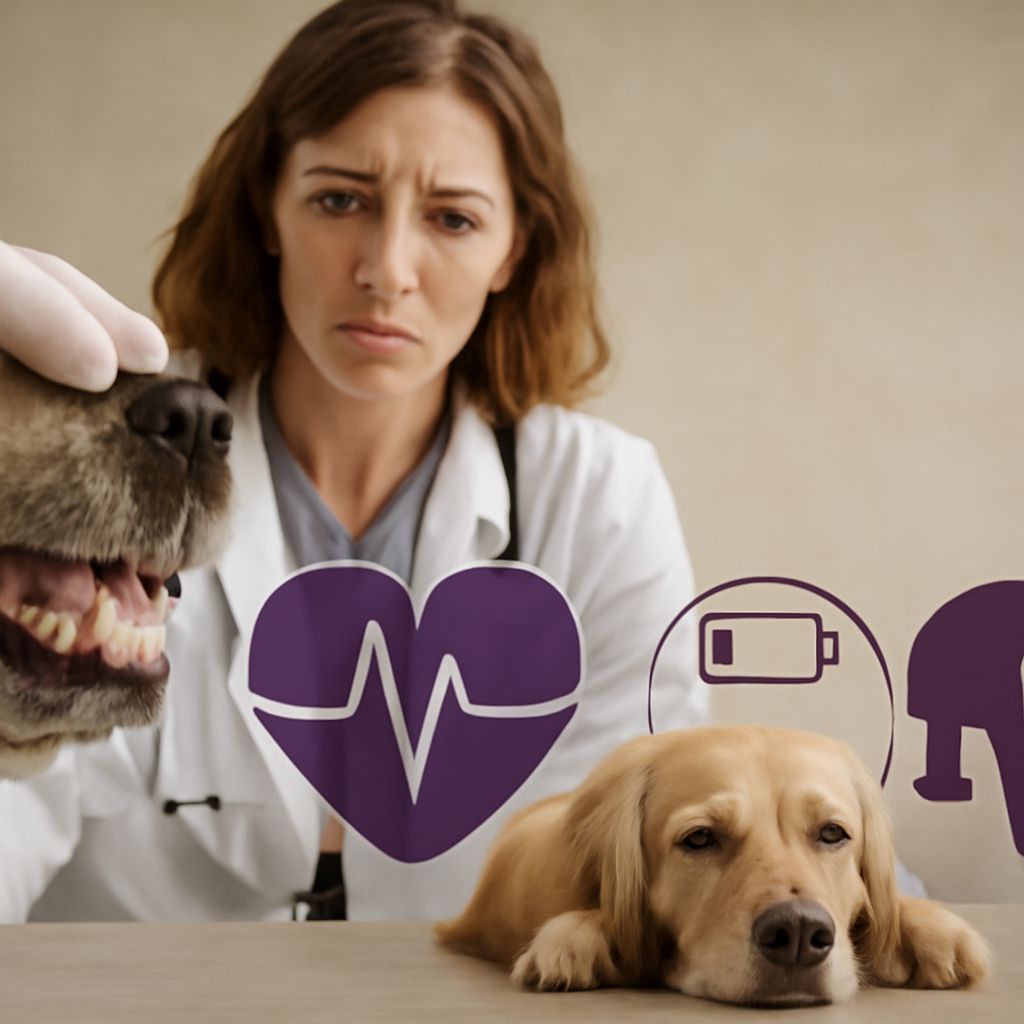

If we’re devoted dog guardians, keeping our homes safe from hidden dangers is always a top priority. One question that often arises is: are coffee grounds bad for dogs? The relationship between coffee grounds and dogs isn’t just about avoiding a mess—in fact, accidental ingestion can quickly escalate into a real emergency. Understanding what happens if my dog ate coffee grounds is crucial for anyone who keeps coffee in the house.
Coffee is a beloved beverage for many of us, but it contains substances that can be highly toxic to our canine companions. Let’s explore why coffee grounds pose such a significant risk, how to recognize signs of poisoning, and what immediate actions we should take to protect our pets’ health.
Why Are Coffee Grounds Bad for Dogs?
The primary concern with coffee grounds and dogs is their caffeine content. Caffeine is a powerful stimulant that affects the central nervous system and cardiovascular system in both people and animals. However, dogs are especially sensitive. Even small amounts can cause serious and sometimes fatal reactions.
When we ask, “are coffee grounds bad for dogs?” the answer is a resounding yes. Coffee grounds contain a concentrated dose of caffeine since they haven’t been diluted by brewing. In addition, other compounds found in coffee, like theobromine, can amplify the toxic effects. For a medium-sized dog, ingesting just a few teaspoons of coffee grounds could be enough to trigger poisoning.
The risk isn’t limited to plain coffee grounds. Used and unused grounds, espresso pucks, and grounds mixed into compost or thrown in the trash all pose potential threats. While some foods might pass through a dog’s system with minimal issue, caffeine is quickly absorbed and can lead to severe toxicity within hours.
It’s important to remember that toxicity is not limited to fresh or unused grounds. Even after brewing, enough caffeine remains to be dangerous if ingested. The darker the roast, the less caffeine per gram, but all types can be harmful. We must treat any access to coffee grounds as a potential emergency.
Symptoms to Watch for if Your Dog Ate Coffee Grounds
The symptoms of caffeine poisoning in dogs can develop rapidly—usually within 30 to 60 minutes of ingestion. Early recognition is key. The most common signs include restlessness, hyperactivity, excessive panting, and pacing. Dogs may appear agitated or unable to settle, which is often the initial clue that something is wrong.
As the situation progresses, additional symptoms may emerge. These can include vomiting, diarrhea, a rapid or irregular heartbeat, and muscle tremors. In severe cases, dogs might suffer seizures, collapse, or even fall into a coma. These signs indicate a life-threatening emergency and require immediate veterinary care.
Partial signs—such as mild agitation or a single episode of vomiting—should still be monitored very closely. Because caffeine is absorbed so quickly, changes can escalate in a matter of minutes. We should never wait for multiple symptoms to appear before seeking help.
Keep in mind that the size of the dog, the amount consumed, and the dog’s general health all play a role in how symptoms develop. Puppies, elderly dogs, and those with heart conditions are particularly vulnerable. It’s always better to err on the side of caution if there’s any suspicion of coffee ground ingestion.
What to Do if Your Dog Eats Coffee Grounds
If we discover our dog has eaten coffee grounds, immediate action is crucial. First, remove any remaining grounds from the dog’s reach. The next step is to contact our veterinarian or an emergency animal poison helpline. Be ready to provide details: our dog’s size, the type and approximate amount of coffee grounds consumed, and the time of the incident.
Usually, the veterinarian will advise whether it’s safe to induce vomiting at home or if we should bring our pet in for care. Do not attempt any home remedies unless specifically instructed by a professional, as some interventions can make the situation worse. Bring the packaging or product label, if possible, as it may help the vet assess the risk.
Time is of the essence. If our dog begins showing symptoms—especially severe ones like tremors or seizures—head to the clinic immediately. Treatment may involve activated charcoal to reduce further absorption, intravenous fluids, medications to support the heart and control seizures, and close monitoring of vital signs. Prompt, professional care dramatically improves the chances of recovery.
Remember, the danger is not just theoretical. Many emergency veterinarians report frequent cases of caffeine toxicity related to coffee grounds and dogs, so acting without hesitation can save a life.
Preventing Accidents: Coffee Grounds and Dogs
Prevention is our best defense. Store coffee grounds and beans in airtight containers out of reach of curious noses. Be especially cautious with kitchen trash cans, compost bins, and any location where used grounds might be discarded. Dogs are notorious for raiding the garbage, so using a pet-proof trash can is a wise investment.
If we compost at home, avoid adding coffee grounds to outdoor piles if pets have access to the area. Educate everyone in the household about the risks, including children and guests. Make a habit of cleaning up spills promptly—dogs are quick, and a moment’s distraction can be all it takes.
We should also be mindful of less obvious sources of caffeine, such as tea bags, energy drink residues, and certain medications. Review all household items for potential dangers, and keep pet-safe alternatives handy to reward our dogs without risk.
By fostering a culture of safety and awareness, we can minimize the chances of our dogs encountering coffee grounds and their associated dangers.
When to Seek Emergency Help for Poisoning
Immediate veterinary attention is warranted if we know, or strongly suspect, that our dog ate coffee grounds. Even if symptoms aren’t yet present, early treatment can prevent the onset of severe toxicity. Don’t wait for multiple signs—call your vet or emergency clinic right away.
If our dog exhibits agitation, rapid heart rate, tremors, vomiting, or especially seizures or collapse, these are clear indicators of a medical emergency. Emergency clinics are equipped to handle poisoning cases and can provide life-saving interventions quickly.
Be proactive: keep the contact information for your veterinarian and the nearest animal poison control center readily available. Time lost searching for phone numbers is time lost for potential treatment. Remember, with caffeine toxicity, every minute counts.
Seeking professional help promptly is always the right choice when it comes to coffee grounds and dogs. The stakes are simply too high to take chances with our pets’ health.
Next steps: Review your home for potential hazards, educate your family, and save your vet’s number in your phone. If an emergency arises, act fast and don’t hesitate to seek expert advice. With preparation and vigilance, we can keep our canine companions safe from coffee grounds and other hidden dangers.