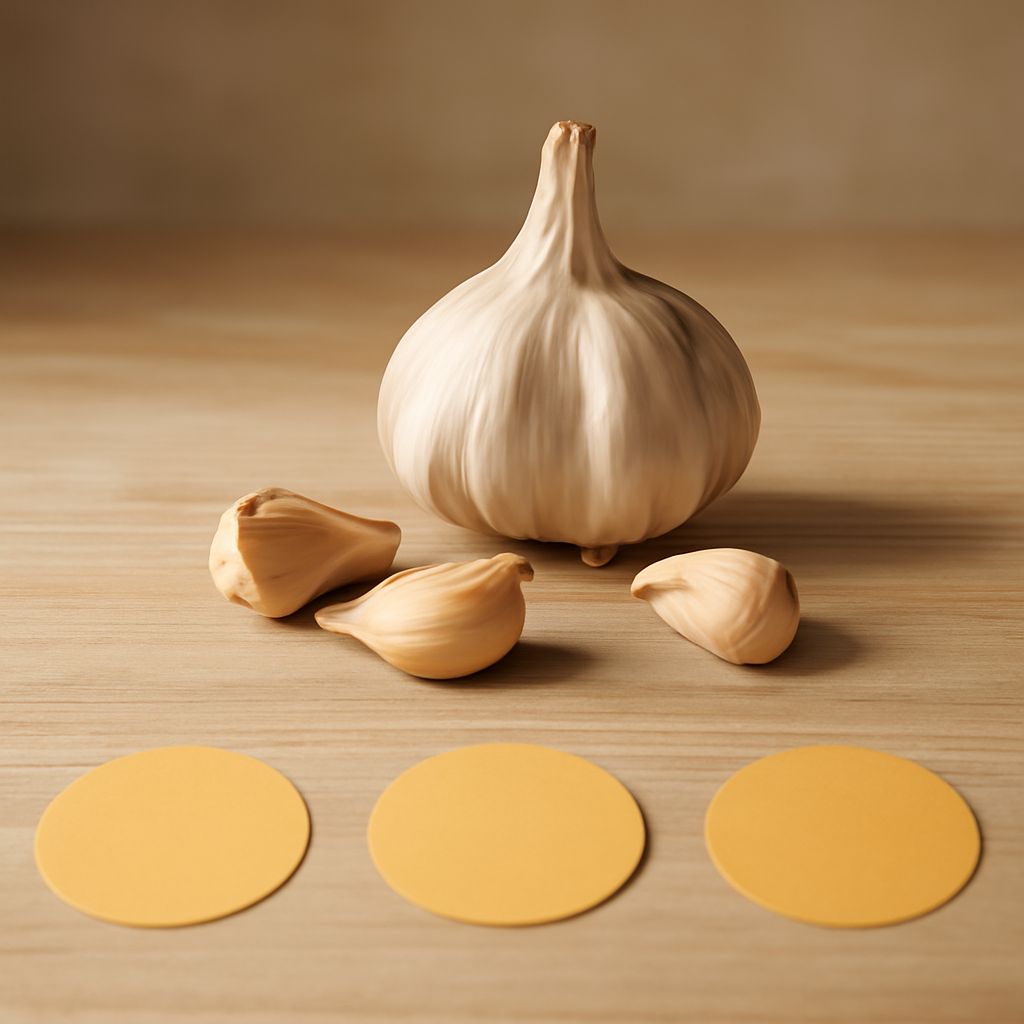

As dog owners, we want only the best for our pets, and that includes keeping them safe from potentially harmful foods. Yet, the kitchen is full of ingredients that, while flavorful for us, can pose real dangers to our canine companions. One common concern is when we realize “my dog ate garlic”—a scenario that brings up questions about garlic powder and dogs, and what steps we should take to protect our pet’s health.
Understanding the risks garlic poses, especially in the form of garlic powder, is essential. While we may use garlic regularly when preparing meals, it’s crucial to be aware of how it affects our dogs, recognize warning signs, and know how to respond if exposure happens. Let’s explore what every dog owner should know about this widely used kitchen staple.
Is Garlic Safe for Dogs?
Garlic is often celebrated for its health benefits in humans, but the situation is quite different for dogs. Even small amounts can cause issues, and all forms—raw, cooked, or powdered—can be toxic. The compounds in garlic, particularly thiosulfate, are not efficiently metabolized by dogs, making them susceptible to toxicity when they ingest garlic, whether accidentally or otherwise.
It’s easy to overlook the danger, especially since garlic is a common seasoning in many of our favorite dishes. However, even trace amounts in leftovers or mixed into table scraps can put our dogs at risk. The effects accumulate, so feeding garlic as a treat or supplement—sometimes promoted in outdated pet care advice—can also lead to health issues over time.
We must stay vigilant and recognize that while garlic enhances human meals, it brings significant risks to our pets. This caution extends to all related foods in the allium family, including onions, chives, and leeks, which share similar toxic properties for dogs. A proactive approach to canine nutrition always means keeping garlic out of their diets entirely.
What Happens If My Dog Ate Garlic?
When we discover that my dog ate garlic, it’s important to act quickly and understand what might occur. Garlic toxicity can damage red blood cells, leading to hemolytic anemia—a serious condition where the body loses oxygen-carrying capacity. This process is not always immediate; symptoms can take several hours or even days to manifest.
The risk depends on several factors, including the amount consumed, the size of our dog, and whether they have underlying health conditions. Small breeds and puppies are particularly sensitive, while larger dogs may tolerate slightly higher doses before symptoms develop, though no amount is truly safe.
Ingesting garlic, especially in concentrated forms such as garlic powder, increases the potential for harm. Garlic powder and dogs are a particularly troublesome mix, as even a small spoonful contains as much or more thiosulfate as multiple raw cloves. We should never assume that a little seasoning won’t hurt—prevention and awareness are always the safer path.
Garlic Powder and Dogs: Understanding the Risks
Garlic powder is a potent form of garlic and poses a unique threat to dogs. Since it is dehydrated and concentrated, even a small quantity can contain enough toxic compounds to affect a dog’s health. The convenience of garlic powder in our kitchens means it can easily be spilled or included in food that our dogs might access.
When we consider garlic powder and dogs, the level of risk is even higher than with fresh garlic. The powdered form lacks moisture, meaning the thiosulfate is more densely packed. Dogs that get into pantry items, lick up dropped food, or are fed table scraps containing garlic seasoning are at risk of exposure that can quickly escalate to poisoning.
We should recognize that there is no safe threshold for garlic powder intake in dogs. Even minor ingestion can lead to gastrointestinal distress, lethargy, and in severe cases, a dangerous drop in red blood cell count. The higher concentration in powder form also means symptoms may appear sooner and be more severe compared to eating fresh or cooked garlic.
Symptoms to Watch For After Garlic Ingestion
Recognizing the early signs of garlic toxicity is essential for prompt intervention. After garlic ingestion, dogs may show symptoms such as vomiting, diarrhea, abdominal pain, and drooling. These initial signs may be mistaken for mild stomach upset, but they can progress into more serious problems.
As the toxins impact red blood cells, we might notice our dog becoming lethargic, developing pale or yellow gums, or experiencing rapid breathing. In severe cases, dogs can exhibit weakness, an elevated heart rate, or collapse. These symptoms indicate that anemia is developing, which is a medical emergency.
Garlic powder exposure can accelerate the onset and severity of these symptoms. Since the powder is more concentrated, gastrointestinal and systemic effects may appear faster than with fresh garlic. Monitoring for any changes in behavior or physical condition is vital if we suspect our dog has eaten garlic in any form.
What to Do If Your Dog Eats Garlic
If we realize my dog ate garlic, immediate action is critical. The first step is to determine how much was ingested and what form—raw, cooked, or as garlic powder. Even if the amount seems small, it’s safest to call our veterinarian or a pet poison control hotline right away for advice tailored to our dog’s size and health status.
The veterinarian may recommend bringing our dog in for evaluation, inducing vomiting if the exposure was recent, or administering activated charcoal to limit absorption of the toxins. Blood tests may be necessary to monitor for hemolytic anemia or other complications. Even with mild symptoms, professional guidance ensures the best outcome.
We should never attempt home remedies or wait for symptoms to appear before seeking help. Prompt veterinary intervention can prevent lasting harm and ease our concerns about the risks of garlic powder and dogs. Keeping emergency contact information readily available is an excellent habit for all pet owners.
Preventing Accidental Garlic Exposure
The best approach to canine health is prevention. We must keep all garlic-containing foods, including garlic powder, securely stored and inaccessible to our pets. Extra care should be taken during food preparation and cleaning up spills, ensuring that curious dogs don’t have an opportunity to lick up scraps or powder from the floor.
It’s also important to educate everyone in our household about the risks, so family members and guests understand not to feed dogs table scraps or treats that might contain garlic. Reading ingredient labels on commercial foods, leftovers, and even some pet treats can help us avoid accidental exposure.
By staying informed and diligent, we create a safer home environment and support our dog’s overall well-being. Knowledge about the dangers of garlic in all its forms, including garlic powder, is a key part of responsible pet nutrition. Our vigilance helps our dogs thrive and keeps them out of harm’s way.