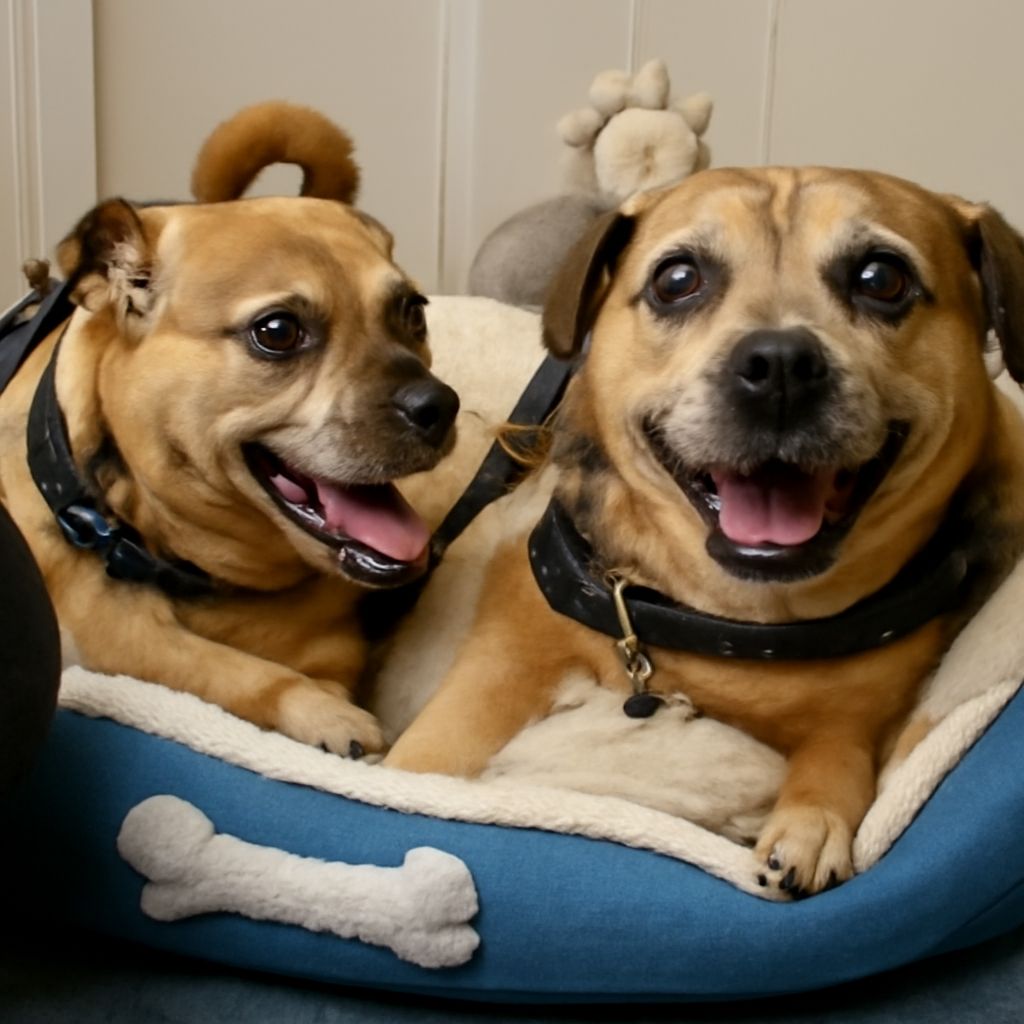

Welcoming an older dog into our homes is both a heartfelt commitment and a rewarding experience. Through senior dog rescue, we have the opportunity to transform the lives of pets often overlooked in shelters. It’s essential to recognize that older dogs for adoption require thoughtful care arrangements, ensuring their golden years are filled with comfort, love, and dignity.
With a growing number of senior pets seeking families, understanding the unique needs of these animals is more important than ever. In this guide, we explore the best practices for senior dog rescue and how we can make a meaningful difference in the lives of our older canine companions. Our focus is on creating supportive environments and care routines tailored to their stage of life.
Why Senior Dog Rescue Matters
Senior dog rescue is a vital aspect of animal welfare. Many older dogs find themselves in shelters due to changes in their owners’ lives, not because of any fault of their own. These loyal pets often face long waits for adoption compared to their younger counterparts. By choosing to rescue a senior dog, we provide them with a second chance and reduce the pressure on shelters.
The benefits of adopting an older dog extend beyond compassion. Senior dogs generally have established temperaments, making it easier for us to integrate them into our households. Their calm nature and predictable behavior patterns often require less intensive training, which can be a relief for adopters seeking a gentle companion.
Moreover, the presence of senior dogs for adoption highlights the ongoing need for advocacy and education. Their stories remind us that every pet, regardless of age, deserves a loving home. When we support senior dog rescue, we help to shift perceptions, encouraging more families to consider adopting older pets and giving these dogs the attention they truly need.
Through our collective efforts, we can transform the narrative for senior dogs, making their final years some of their best. This not only benefits the dogs themselves but also enriches our own lives through the bonds we create with them.
Understanding the Needs of Older Dogs for Adoption
Caring for older dogs for adoption requires a nuanced understanding of their unique challenges. These dogs may face age-related health issues such as arthritis, reduced vision, or dental concerns. Recognizing these challenges allows us to provide timely veterinary support and adapt our care routines accordingly. It’s important to prioritize regular checkups and maintain open communication with our veterinarians.
Physical limitations often mean these dogs are less active, needing shorter but more frequent walks and an environment that minimizes the risk of injury. We should watch for subtle changes in behavior or appetite, as these can be early signs of discomfort or illness. Adjusting our expectations and daily routines to accommodate their pace is crucial for their contentment.
Emotional wellbeing is equally important. Many older dogs may experience anxiety or confusion during transitions, especially if they’ve lost a previous home. Offering reassurance, patience, and consistent affection helps foster trust. Positive reinforcement, gentle guidance, and a predictable schedule can make the transition smoother for rescued senior pets.
By understanding and addressing both the physical and emotional needs of senior dogs, we set the foundation for a successful and fulfilling adoption experience—for both the animal and our family.
Care Arrangements for Senior Dog Rescue
Establishing thoughtful care arrangements is the cornerstone of successful senior dog rescue. Nutrition is at the heart of this process. Senior dogs often require specialized diets that cater to slower metabolisms and support joint health. Consulting with veterinarians about dietary needs ensures we provide balanced meals that maintain their strength and vitality.
Medication management often becomes part of our daily routine. Whether it’s for managing chronic pain, supporting organ function, or addressing other age-related conditions, keeping a schedule and monitoring responses to medication is vital. We should also ensure easy access to fresh water and comfortable bedding to support their overall well-being.
Mental stimulation remains important for older dogs. Puzzle toys, gentle games, and social interaction help prevent boredom and cognitive decline. Short, engaging activities tailored to their abilities can make a significant difference in their happiness and health. Grooming and hygiene should also be maintained, but with sensitivity to any mobility or skin issues.
Finally, it’s critical to assess our living environment regularly, making necessary modifications to accommodate mobility limitations. Non-slip mats, ramps, and accessible resting spots help prevent accidents and provide comfort throughout the home. By making these adjustments, we honor the needs of senior pets and enable them to thrive.
Preparing Your Home for an Older Dog
Welcoming an older dog means creating a supportive, safe, and comforting space. We should begin by designating a quiet area where the dog can retreat and relax. This space should be away from high-traffic areas and include a soft, easily accessible bed. Safety is paramount; we must remove obstacles or hazards that could cause tripping or injury.
Ramps or steps may be necessary for navigating furniture or outdoor spaces, especially if mobility is limited. Placing food and water bowls at an appropriate height reduces strain on joints. If our home has stairs, consider using baby gates to restrict access and prevent falls.
Introducing our family and other pets to the new arrival should be done gradually. We can use positive reinforcement techniques to build trust, allowing the older dog to explore at their own pace. It’s essential to maintain a predictable routine, which helps reduce anxiety and builds a sense of security.
Regularly reviewing our setup and making adjustments as needed ensures our home continues to support our senior dog’s evolving needs. Open lines of communication with all household members will help everyone participate in the care arrangements and foster a harmonious environment.
Support Networks for Senior Dog Rescue Success
No one should navigate senior dog rescue alone. Building a robust support network is essential for the ongoing care of older dogs for adoption. Veterinary professionals, trainers familiar with geriatric pets, and pet sitters with experience in senior care become invaluable resources. Participating in local or online communities can offer emotional support and practical advice from others living with senior dogs.
Many animal welfare organizations provide guidance and resources specifically tailored to senior dog guardians. These organizations may also offer financial assistance or specialized foster programs for those willing to provide temporary homes. Keeping in touch with the rescue organization post-adoption can ensure we have access to expert advice if challenges arise.
By embracing support networks, we not only improve the quality of care for our senior pets but also create a compassionate community dedicated to their well-being. This holistic approach helps us respond effectively to changes in health or behavior, ensuring our older companions continue to thrive in their new homes.
When we prioritize collaboration and knowledge-sharing, senior dog rescue becomes a sustainable and deeply rewarding endeavor for all involved.
Safety recap: Senior dog rescue requires thoughtful home modifications, careful medication management, and regular veterinary oversight. By prioritizing safety and comfort in our care arrangements, we ensure the well-being and happiness of every older dog we welcome into our lives.