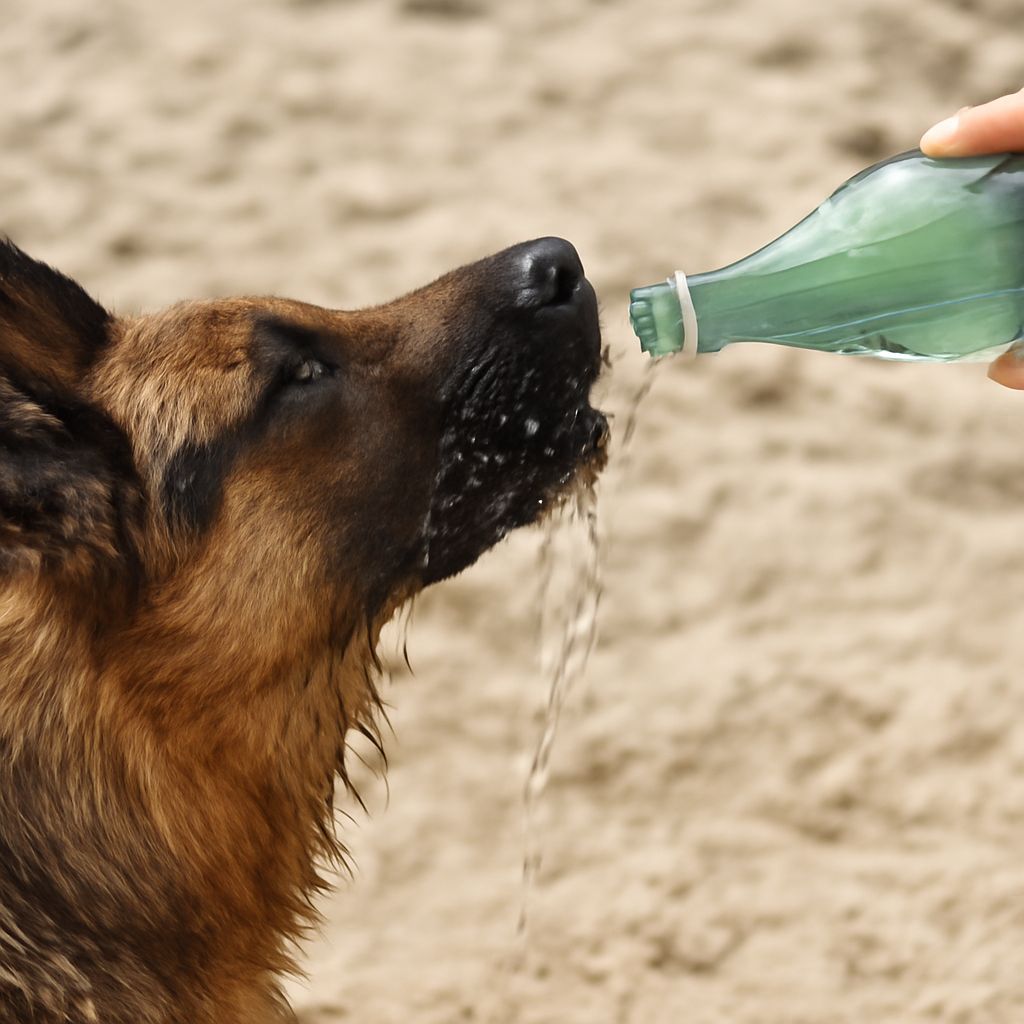

Water is essential for every living creature, and our canine companions are no exception. While it’s normal for a dog to drink throughout the day, sometimes we notice our dog drinks lots of water—more than usual. Understanding the difference between healthy hydration and excessive thirst can help us identify potential issues early. If your dog is suddenly drinking more, it’s important to ask: why do dogs drink a lot of water? Could it be a sign of something more serious, or just a response to environmental changes?
Ensuring appropriate hydration is part of responsible pet care, but dog excessive drinking can point to underlying problems. In this article, we’ll explore how much water dogs need, common reasons for increased thirst, the health risks to watch for, and practical steps to keep our pets happy and hydrated.
Normal Water Intake for Dogs
Understanding what’s “normal” is the first step in evaluating our dog’s hydration. On average, a healthy adult dog should drink about one ounce of water per pound of body weight each day. This means a 40-pound dog typically needs around 5 cups of water daily, though this amount can vary depending on the dog’s age, breed, diet, and activity level.
We must also consider the dog’s environment. Hot weather, vigorous exercise, and a primarily dry kibble diet can all lead to increased water intake. Puppies, pregnant or nursing dogs, and highly active breeds may require more hydration than less active, older pets. Monitoring our dog’s typical drinking habits gives us a crucial baseline—so if dog drinks lots of water unexpectedly, we’ll notice the change more quickly.
Of course, natural fluctuations happen. After a long walk or a playful romp in the park, it’s normal for our dog to gulp down extra water. What’s important is to recognize patterns: sudden, persistent increases in drinking often deserve closer attention. Regularly refreshing their water bowl and measuring what’s consumed over 24 hours helps us track these trends effectively.
Partial symptoms like frequent urination or consistently empty water bowls can be early indicators that our dog’s hydration status is shifting. By knowing what’s appropriate for our individual pet, we’re better equipped to spot potential problems before they escalate.
Why Do Dogs Drink a Lot of Water? Common Causes
When we observe our dogs drinking large amounts, it’s natural to ask, “why do dogs drink a lot of water?” Sometimes, the reasons are simple and harmless. Hot weather, increased physical activity, or eating salty foods can all prompt a dog to drink more. Switching to a dry diet, or even certain medications, may also boost thirst temporarily.
In other cases, behavioral reasons might contribute. Boredom or anxiety can lead some dogs to visit their water bowls more often. Dogs left alone for long periods might drink out of habit rather than actual need. While these situational causes typically resolve on their own, it’s wise to keep an eye out for repeated, excessive drinking that doesn’t match the dog’s routine.
Environmental changes are another factor. Moving to a new home, changes in activity patterns, or even an altered daily schedule can disrupt our dog’s hydration habits. As attentive pet owners, we must distinguish between benign, short-term increases and sustained dog excessive drinking that could signal something more significant.
Even with these common explanations, persistent or unexplained changes in drinking patterns should never be ignored. If our dog drinks lots of water without an obvious cause, it’s time to dig deeper and consider more serious possibilities.
Health Issues Tied to Dog Excessive Drinking
There are several medical conditions that can cause a dog to drink excessively. Chief among them are diabetes mellitus, kidney disease, and Cushing’s disease. These serious health concerns often present with other symptoms such as increased urination, accidents in the house, changes in appetite, or weight loss.
Dog excessive drinking associated with these underlying conditions can sometimes be subtle at first. For example, early kidney problems may start with only mild increases in thirst and urination. As the disorder progresses, dehydration may paradoxically occur even as the dog drinks more, due to the body’s inability to retain fluids properly.
Diabetes typically causes a noticeable uptick in water consumption and urination, along with hunger and sometimes unexplained weight loss. Cushing’s disease, caused by excess cortisol, may also lead to a pot-bellied appearance, thin skin, and hair loss in addition to increased thirst.
Sometimes, infections (such as urinary tract infections or pyometra in unspayed females) or medication side-effects can also result in a dog drinking a lot of water. If we notice additional warning signs—lethargy, vomiting, diarrhea, or significant behavioral shifts—we must take these symptoms seriously and consult a veterinarian promptly.
When to Worry About Your Dog Drinking Lots of Water
Persistent changes in our dog’s drinking habits, especially when accompanied by other symptoms, warrant further investigation. If our dog drinks lots of water for more than a day or two, or if we see house soiling, loss of appetite, sudden weight changes, or any signs of distress, it’s time to act.
Tracking their water intake over several days can be incredibly helpful when visiting the veterinarian. Note the amount of water offered and consumed, as well as any changes in urination frequency, energy levels, or attitude. This careful monitoring allows the vet to assess whether the behavior fits the profile of normal adaptation or points toward dog excessive drinking as a medical issue.
Some breeds are more prone to certain health issues; older dogs, for example, are at higher risk for kidney disease and diabetes. If we’re unsure, it’s always better to err on the side of caution and seek professional advice. Early diagnosis and intervention can make a major difference in treatment outcomes.
Ultimately, we know our own dogs best. When something just doesn’t seem right, trust your instincts and advocate for your pet’s wellbeing with your veterinary team.
Tips to Manage and Monitor Your Dog’s Hydration
Managing our dog’s hydration starts with providing fresh, clean water at all times. Place multiple water bowls around the house, and wash them daily to prevent bacterial buildup. In hot weather or after active play, encourage your dog to drink, but also allow natural breaks to avoid overconsumption in one sitting.
If we notice our dog drinks lots of water, record the amounts and any associated behaviors. Share these observations with your veterinarian, who may request urine or blood tests to identify any underlying issues. Avoid restricting water unless instructed by a professional, as insufficient hydration can lead to serious health consequences.
We can also support healthy hydration with high-moisture foods, such as wet dog food, and regular opportunities for bathroom breaks. For dogs on medications or with known health risks, routine vet checkups are essential for early detection of canine hydration problems.
Finally, stay attentive to subtle changes: increased panting, restlessness, or accidents in the house may be early clues that your dog’s water needs are shifting. Being proactive in monitoring and adjusting to these changes helps us keep our pets healthy and comfortable year-round.
Pro tips recap: By understanding normal water intake, recognizing why do dogs drink a lot of water, and watching for signs of dog excessive drinking, we can catch concerns early. Always provide fresh water, monitor intake, and consult your vet for persistent or unexplained changes—our vigilance keeps our dogs safe and thriving.