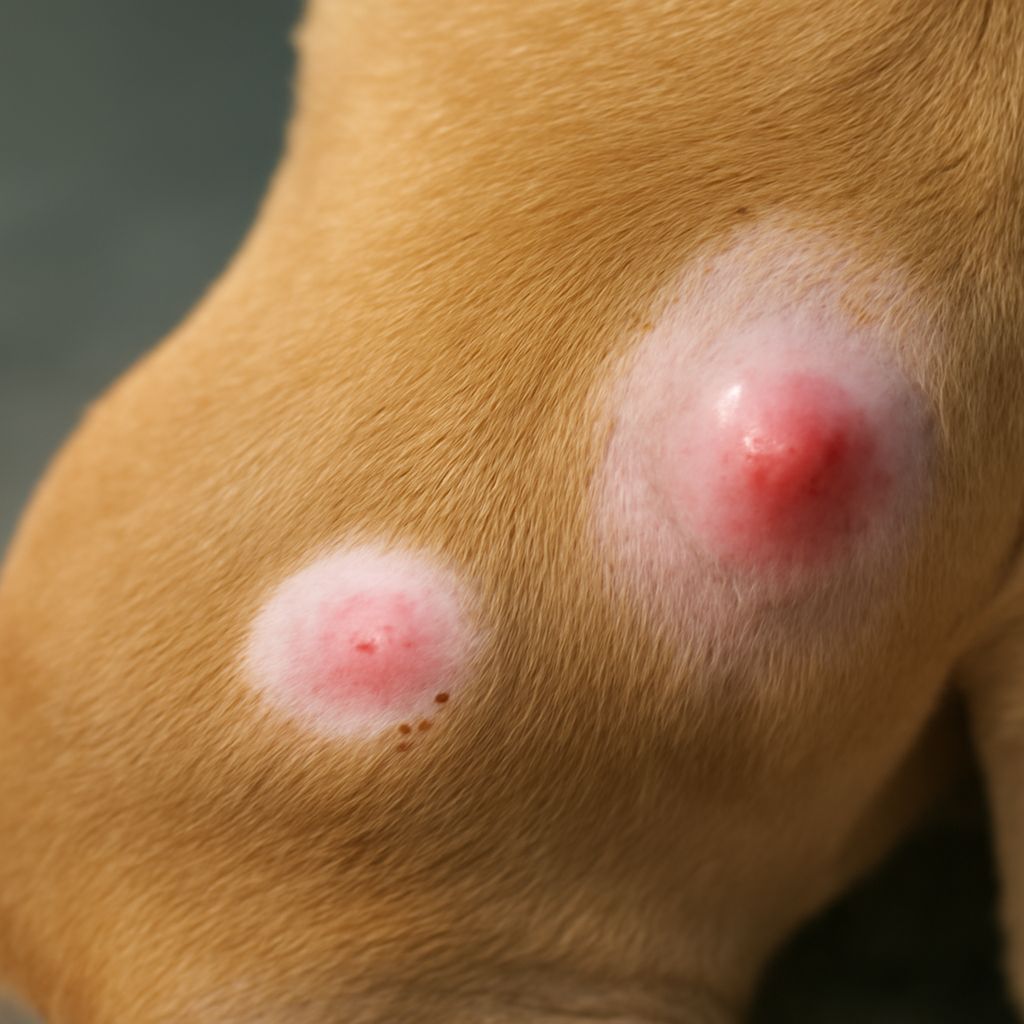

As devoted pet parents, we notice every little change in our dogs. Finding a pink bump on dog skin can quickly set off alarm bells. While some pink growths are harmless, others could signal underlying health concerns. It’s important that we pay close attention to our dog’s skin and coat, understand what these bumps might mean, and know when to seek veterinary guidance.
Whether a pink growth on dog appears suddenly or has been slowly getting bigger, the cause can range from minor irritations to more serious issues. Let’s explore the most common reasons for pink bumps, discuss how to approach diagnosis and treatment, and share practical tips for keeping our dogs’ skin healthy and irritation-free.
What Does a Pink Bump on Dog Mean?
Noticing a pink bump on our dog’s skin can be unsettling, but it’s not always a cause for panic. These bumps can vary in size, shape, and texture, and each offers clues about their potential origin. Some may be small, raised, and smooth, while others could look flaky, ulcerated, or even bleed if scratched. Most of the time, a single pink bump on dog skin is benign, but some can indicate infection, allergy, or even neoplasia.
Pink growths are often more visible on breeds with short or light-colored hair coats. Environmental factors, age, and genetics all play a role in how susceptible a dog is to developing these skin changes. The color pink typically suggests inflammation or increased blood flow near the skin’s surface, which can result from anything from insect bites to folliculitis or cyst formation.
While we might be tempted to self-diagnose, it’s important to remember that only a veterinary professional can determine the exact cause of a pink growth on dog skin. Monitoring the bump’s growth, changes in appearance, and noting any accompanying symptoms like itching or licking are helpful when communicating with the vet.
Common Causes of Pink Growth on Dog Skin
The list of possible reasons for a pink growth on dog skin is long, but a few causes stand out. Allergic reactions are a common culprit—whether from food, environmental triggers like pollen, or direct contact with irritants such as certain shampoos. These often present as small, pink, itchy bumps, sometimes grouped together.
Benign tumors, such as histiocytomas and papillomas, regularly appear as solitary, round, pinkish bumps, especially in young dogs. On the other hand, older dogs might develop skin tags or lipomas, which can also have a pink hue if they’re irritated. Infections like bacterial or fungal folliculitis may manifest as pink papules, sometimes surrounded by redness or hair loss.
We also can’t overlook the possibility of parasites. Flea bites, mites, and ticks can all trigger localized pink spots, sometimes leading to secondary infections if the area is scratched. More rarely, malignant tumors such as mast cell tumors or squamous cell carcinomas begin as innocuous pink bumps and demand prompt veterinary attention.
Other possibilities include cysts, warts, or even reactions to insect stings. Each of these presents with subtle variations in texture, growth rate, and associated symptoms, making a physical exam essential for proper diagnosis.
When to Worry About a Pink Bump on Dog
We know how stressful it can be to find something unusual on our dog’s skin. The good news is that many pink bumps are harmless and resolve on their own. However, certain warning signs indicate a need for a professional evaluation. If a pink bump on dog skin grows rapidly, bleeds easily, becomes ulcerated, or causes pain, it’s time to schedule a veterinary appointment.
Other red flags include multiple bumps appearing at once, changes in color (such as turning purple or black), or if the lump is accompanied by general symptoms like lethargy, loss of appetite, or weight loss. These could point to more serious conditions that warrant urgent care.
If the pink growth on dog skin persists for more than two weeks, seems to bother our pet constantly, or if we see signs of infection (pus, oozing, foul odor), prompt medical assessment is essential. Early intervention can lead to better outcomes and helps us keep our dogs as comfortable as possible.
Trusting our instincts and erring on the side of caution benefits our dog’s health. When in doubt, it’s always safer to get a veterinary evaluation rather than wait and see.
Diagnosis and Treatment for Pink Growth on Dog
A veterinarian will start with a thorough physical exam, often followed by diagnostic tests such as skin scrapings, cytology, or biopsies to determine the nature of the pink bump. If infection is suspected, cultures may be performed. In cases involving a possible tumor, a fine needle aspirate or surgical biopsy is usually recommended to rule out malignancy.
Treatment depends on the underlying cause. Benign tumors like histiocytomas often resolve without intervention, but persistent or bothersome lesions may be surgically removed. Allergic reactions typically respond to anti-inflammatory medications or changes in diet, while bacterial or fungal infections require targeted antimicrobial therapy. Parasite infestations are addressed with appropriate topical or oral treatments.
We should avoid attempting to treat a pink growth on dog skin at home, as improper care can exacerbate the condition. Keeping the area clean, preventing our dog from scratching or licking, and following the veterinarian’s recommendations are crucial for successful healing.
For chronic or recurring bumps, our vet may suggest allergy testing, changes in grooming routines, or more advanced dermatologic work-up, ensuring our pets receive the most effective and compassionate care possible.
How to Prevent Pink Bumps on Your Dog’s Skin
While not all pink bumps are preventable, we can take proactive steps to minimize our dogs’ risk. Regular grooming is essential—brushing helps distribute natural oils, remove loose hair, and allows us to detect new skin changes early. Bathing with gentle, dog-appropriate shampoos helps avoid irritation and maintains a healthy skin barrier.
Flea and tick prevention is another key component. Using veterinarian-recommended preventatives reduces the chances of allergic reactions and secondary infections from parasite bites. Ensuring our dogs follow a balanced diet with adequate omega-3 fatty acids also supports skin health and resilience.
We should pay attention to our pets’ environments, minimizing exposure to harsh chemicals, toxic plants, and allergens. If our dog is prone to allergies, working with our vet to identify triggers and develop a personalized management plan is wise. Early intervention at the first sign of a pink bump on dog skin can prevent escalation and promote quicker recovery.
By staying vigilant and proactive, we give our dogs the best chance at a comfortable, happy life with vibrant skin and a healthy, shiny coat.