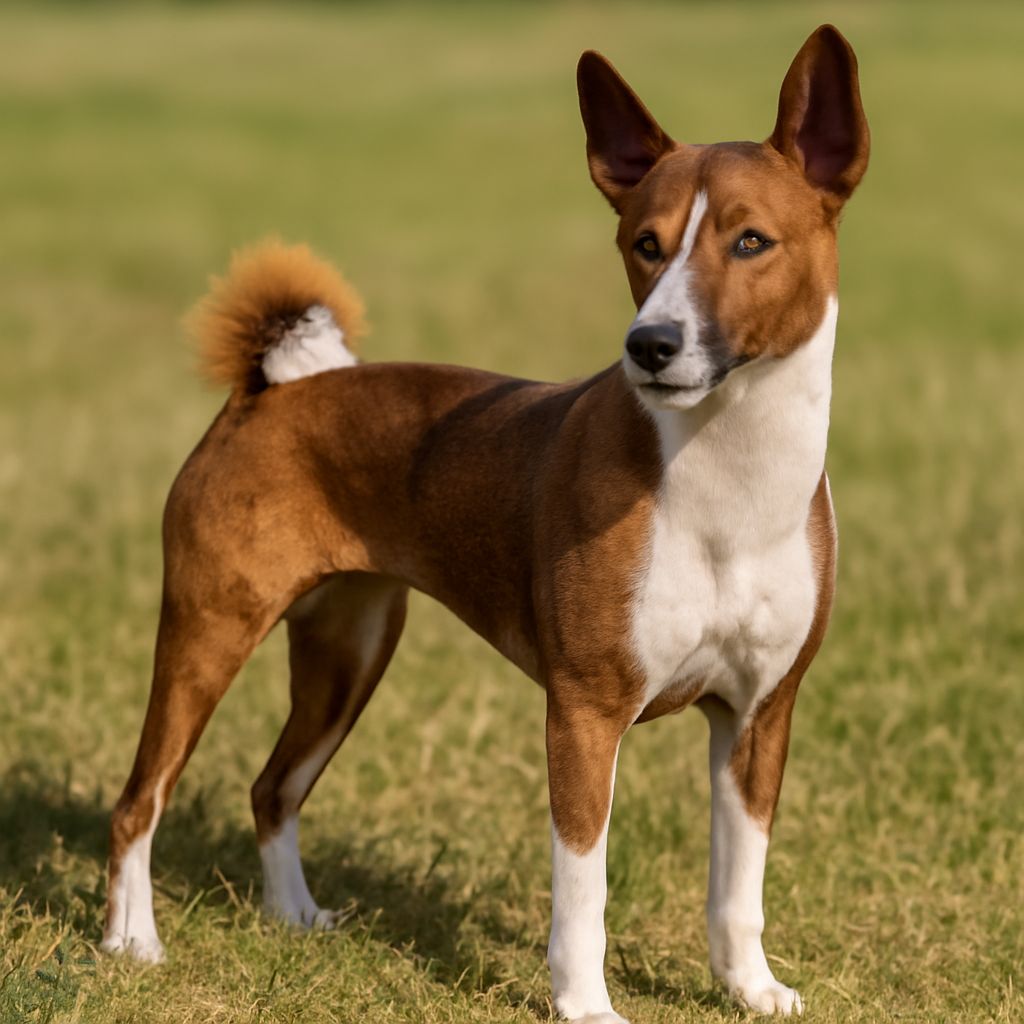

You’ve met an alert puppy with pointed ears and a very determined interest in your shoelaces. The rescue describes her as a Basenji and German Shepherd cross, and you’re wondering how big she may become and what life together will look like. A mix of a Basenji and a shepherd can inherit a wide range of traits, so the best plan starts with the dog in front of you.
Basenji Shepherd Mix: Understanding the Parentage
A Basenji German Shepherd mix is a dog with Basenji and German Shepherd ancestry. People also use the name German Shepherd Basenji mix for the same kind of cross. The order of the names does not identify which parent was the mother or father, or establish the percentage inherited from either breed. Ask for parentage records or test information if those details matter to your decision.
A Basenji shepherd mix might have one parent of each breed, or the description might reflect a more complicated ancestry. Shelters sometimes make a best guess from appearance and available history. A DNA test may add information, but results depend on the test’s reference database; ears, tail, and coat alone cannot establish a family tree.
How big might your dog get?
The two parent breeds give you a sense of the possibilities, not a reliable midpoint. The American Kennel Club lists Basenjis at roughly 22–24 pounds and German Shepherd Dogs at 50–90 pounds. A cross could fall within that broad span or outside it, depending on its individual ancestry and growth.
For an adult, ask the rescue for current weight and shoulder height, and check that your car, crate, and walking equipment accommodate the actual dog. For a puppy, ask about age, recent weights, the known parents’ sizes, and any veterinary growth assessment. An estimate can change as the puppy grows, so avoid buying a complete set of adult-sized gear too early.
A Basenji German Shepherd mix could be compact enough to lift easily or grow into a strong dog who needs a sturdy harness and a person comfortable managing the leash. Plan for the larger end of a credible estimate when considering space and transport, and ask a veterinarian to monitor body condition as the dog matures.
Coat, voice, and everyday surprises
Basenjis have short, fine coats, while German Shepherds typically have a denser double coat. A shepherd and Basenji mix may have a short coat, a thicker one, or something in between. Start with gentle brushing, then adjust the tool and frequency to the amount of loose hair and the dog’s comfort. Check skin while you brush, trim nails as needed, and build toothbrushing into the routine.
The Basenji is often called barkless, but it can make other sounds; a cross may bark, vocalize in another way, or be relatively quiet. Ask the current caregiver what happens when a visitor arrives or the dog is left alone. A brief recording, if available, can give you a more realistic picture than a breed label.
A dog with a German Shepherd and Basenji background may also have a strong interest in movement and scents. That could mean a wonderful walking companion, a keen observer of squirrels, or both. Watch the individual dog’s reactions before deciding whether a busy park or a quieter route is the better first outing.
Build a safe activity routine
Both parent breeds are active, but an individual dog’s needs depend on age, health, fitness, and experience. Begin with manageable walks and sniffing time, then add play or distance gradually. Food searches, simple training games, and puzzle toys give your dog a chance to think as well as move.
Use a secure, well-fitted harness or collar and a leash outdoors. Practice recall in an enclosed area before considering more freedom, and use a securely fenced space for running. The AKC’s Basenji profile notes the breed’s strong hunting instinct; a mix may also be inclined to chase, so observe the dog around wildlife and moving objects.
For puppies, choose shorter outings with plenty of rest and avoid forced running or repeated high-impact jumping. If your dog limps, tires unusually quickly, or seems uncomfortable, stop and consult your veterinarian before increasing activity. On hot days, choose cooler hours and carry water.
Teach the skills your household needs
A Basenji shepherd mix may be eager to engage, independent, cautious in a new setting, or a combination that changes with experience. Start with small, rewarding lessons: respond to a name, walk on a loose leash, come when called, and settle on a mat. Use food, play, or praise your dog enjoys, and practice first where distractions are limited.
Introduce new people, surfaces, and places gradually, allowing your dog to approach at a comfortable pace. If you live with children, supervise interactions, teach gentle handling, and provide a quiet retreat. Arrange controlled introductions to other pets and use barriers when necessary while everyone learns to share space. A qualified reward-based trainer can help if chasing, fear, or difficult leash reactions interfere with daily life.
Food and health care for the individual
Choose a complete and balanced food appropriate to your dog’s life stage and expected adult size. Measure meals, keep water available, and account for training treats in the daily intake. Your veterinarian can assess body condition and help adjust portions; the amount on a bag is a starting guide, not a measurement of your dog’s metabolism.
Arrange a veterinary visit to discuss vaccination, parasite prevention, dental care, and any known family health history. Ask for existing records and screening results when available. If your German Shepherd and Basenji cross has unknown ancestry, tell the veterinarian what is known and describe the dog’s actual habits and any symptoms rather than assuming a particular inherited problem.
Questions to take to the caregiver
Before bringing home a shepherd–Basenji cross, ask:
- How old is the dog, what does it weigh now, and what is known about its parents?
- What exercise, training, and rest does it currently need on an ordinary day?
- How does it react to children, visitors, other pets, and animals outdoors?
- What food, veterinary care, and grooming has it received, and what still needs attention?
Use the answers to plan your first week and decide whether you can support this individual dog as its needs become clearer.