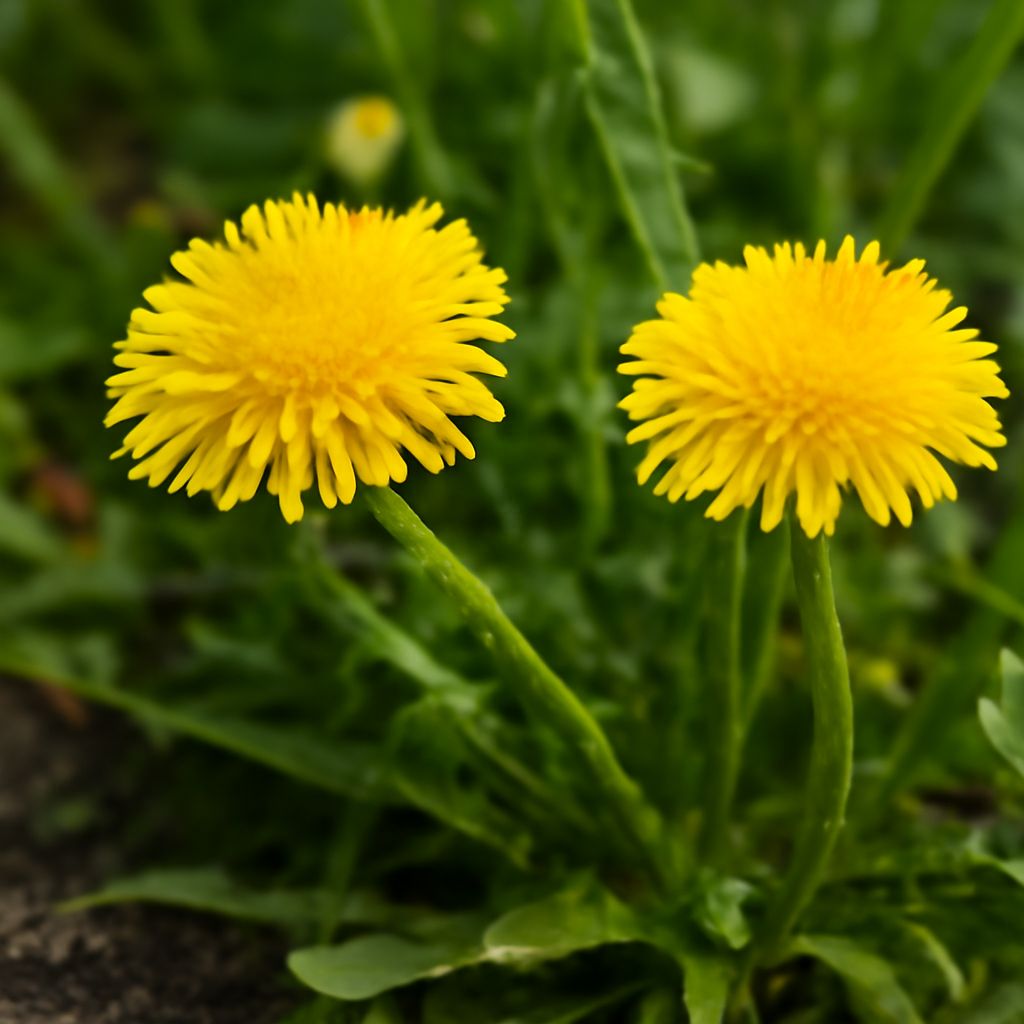

As pet owners, we constantly strive to provide the best nutrition for our furry friends. Questions like “Can dogs eat dandelions?” often arise, prompted by our pets’ curiosity about these ubiquitous garden plants. Understanding whether dandelions are a safe and beneficial addition to a dog’s diet requires careful consideration of both their potential benefits and risks.
In this article, we will explore the relationship between dogs and dandelions, addressing common concerns such as “Are dandelions poisonous to dogs?” and examining how they can fit into a balanced diet. Let’s delve deeper into this fascinating topic and discover how these vibrant yellow blooms can play a role in pet nutrition.
Are Dandelions Poisonous to Dogs?
One of the first questions pet owners ask is, “Are dandelions poisonous to dogs?” Fortunately, the answer is no; dandelions are not toxic to dogs. These plants are generally considered safe, and their consumption is unlikely to cause harm. However, it’s important to ensure that the dandelions your dog consumes have not been treated with pesticides or other harmful chemicals.
Dandelions are rich in vitamins A, C, K, and several B vitamins, which can be beneficial for dogs, but moderation is key to avoid potential digestive upset. While dandelions themselves are not poisonous, other plants that may look similar could pose risks, so always ensure you correctly identify the plant.
Benefits of Dandelions for Dogs
Incorporating dandelions into a dog’s diet can offer several health benefits. Dandelions are known for their digestive aid properties, thanks to their high fiber content. They can help alleviate constipation and support overall digestive health. Furthermore, the antioxidants present in dandelions can contribute to reducing inflammation and boosting the immune system.
The diuretic properties of dandelions may also be beneficial for dogs, aiding in kidney function and detoxification. As a natural source of potassium, dandelions can help maintain electrolyte balance in active dogs. Given these benefits, it’s clear why some pet owners consider dandelions a valuable addition to their pets’ nutrition.
How to Safely Introduce Dandelions to Your Dog’s Diet
To safely introduce dandelions into your dog’s diet, begin with small amounts. Monitor your dog’s reaction to ensure there are no adverse effects such as vomiting or diarrhea. It’s always best to consult with a veterinarian before making any significant changes to your pet’s diet.
Dandelion leaves can be chopped and mixed into your dog’s regular food. Alternatively, you can prepare a tea by steeping dandelion roots and adding the cooled liquid to their water. Ensure that all parts of the dandelion used are free from pesticides and thoroughly washed.
Potential Risks and Precautions
While dandelions are safe for most dogs, some may experience mild digestive upset. If your dog has a history of food allergies, exercise caution and consult your vet before introducing them to dandelions. Additionally, ensure your dog does not consume dandelions from areas that may have been chemically treated, such as public parks or lawns.
Overconsumption can lead to adverse effects, so always provide dandelions in moderation. It’s also crucial to distinguish dandelions from other similar-looking plants that might be harmful, ensuring that your dog only consumes the correct species.
Alternatives to Dandelions for Dogs
If dandelions are not suitable for your dog, there are other nutritious alternatives you can consider. Leafy greens like spinach and kale are excellent options, offering similar vitamins and minerals. These can be easily incorporated into your dog’s meals, providing a healthy and varied diet.
Herbs such as parsley and cilantro are also beneficial, offering digestive and immune support. Always introduce any new foods gradually and monitor your dog’s response. Consulting with a veterinarian can provide personalized guidance based on your dog’s unique health needs.
Exploring natural food options like dandelions and their alternatives can enhance our pets’ nutrition. With careful consideration and professional guidance, we can ensure our furry companions enjoy a healthy and balanced diet.