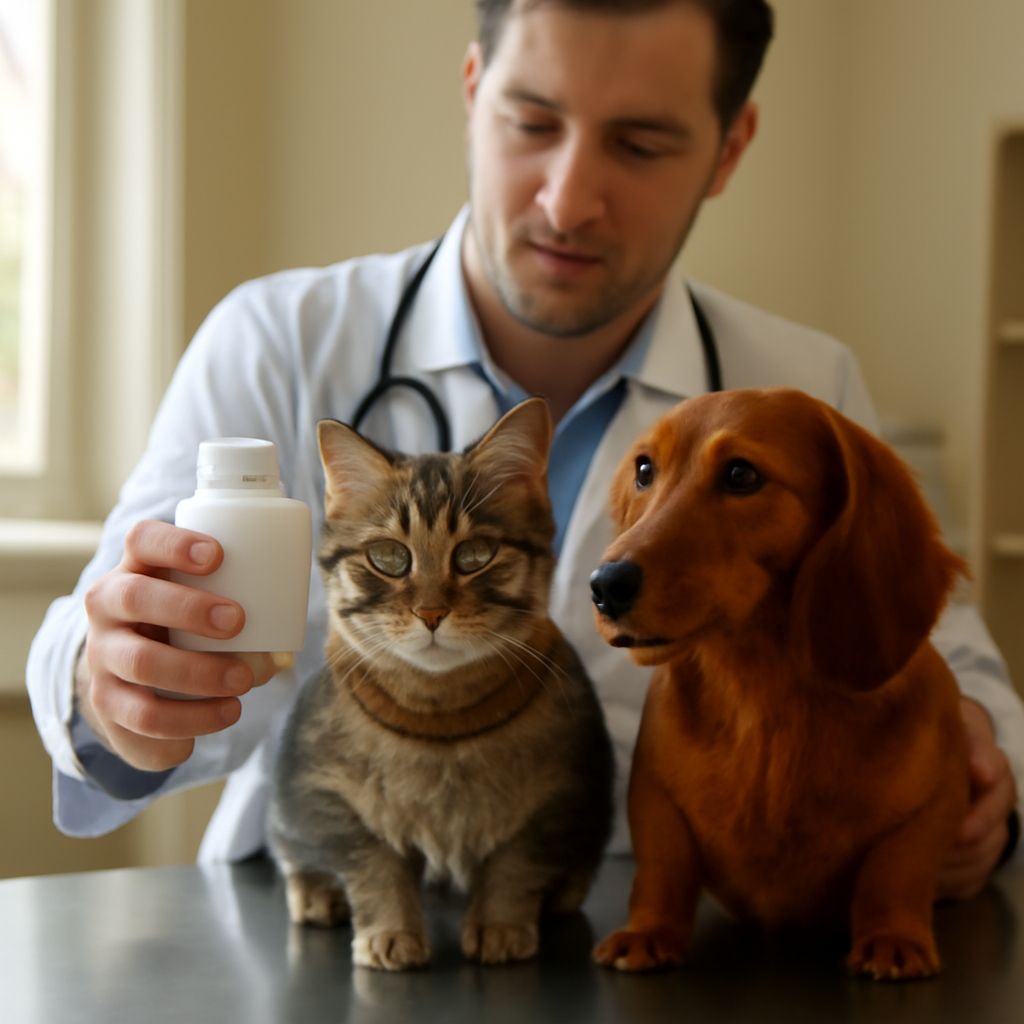

As pet owners, we constantly strive to ensure the health and well-being of our furry companions. When our dogs face allergies or mild anxiety, we might wonder, “Can a dog take Benadryl?” Diphenhydramine, commonly known by the brand name Benadryl, is a medication often considered for such situations. Understanding how diphenhydramine works, its benefits, and potential side effects is crucial to making informed decisions for our dogs.
Understanding Diphenhydramine
Diphenhydramine is an antihistamine used to relieve symptoms of allergy, hay fever, and the common cold. It works by blocking histamine, a substance in the body that causes allergic symptoms. For dogs, it is often utilized to manage allergy-related itching, insect bites, and to some extent, mild anxiety.
It’s important to note that while diphenhydramine is available over the counter, it should be used with care. We must ensure we’re administering the correct formulation, free of additional compounds that could be harmful to dogs.
Can a Dog Take Benadryl Safely?
The question “Can a dog take Benadryl safely?” is common among pet owners. Generally, under the guidance of a veterinarian, diphenhydramine can be safely administered to dogs. The key is proper dosing and ensuring there are no contraindications with other medications or health issues.
Before giving your dog Benadryl, check with a veterinarian to understand any potential risks and to tailor the treatment to your dog’s specific health needs.
Benefits of Diphenhydramine for Dogs
Diphenhydramine offers several benefits for dogs, primarily in managing allergies. It can effectively reduce symptoms like itching, swelling, and redness, providing relief to dogs suffering from allergic reactions. Additionally, it has a mild sedative effect, which can help calm dogs experiencing mild anxiety or motion sickness during travel.
It’s a versatile medication that, when used appropriately, can significantly improve a dog’s quality of life by alleviating discomfort caused by allergies and mild stressors.
Proper Dosage and Administration
Administering the correct dosage of diphenhydramine is vital. The typical dosage is 1 mg per pound of the dog’s body weight, given two to three times a day. However, this can vary based on the dog’s size, age, and health condition. It’s crucial to follow a veterinarian’s instructions to avoid overdosing or underdosing.
Always use plain diphenhydramine tablets, as formulations with other active ingredients can be harmful to dogs. Administering the tablet with food can help prevent an upset stomach.
Potential Side Effects
While diphenhydramine is generally safe, it can cause side effects in some dogs. Common side effects include drowsiness, dry mouth, and urinary retention. In rare cases, dogs may experience more severe reactions such as rapid breathing, increased heart rate, or confusion.
If your dog exhibits any concerning symptoms after taking diphenhydramine, it’s essential to contact a veterinarian immediately.
When to Consult a Veterinarian
Consulting a veterinarian is crucial before starting any new medication. If your dog has pre-existing conditions such as glaucoma, heart disease, or high blood pressure, or is pregnant, it’s even more important to seek professional advice.
A veterinarian can provide guidance on whether diphenhydramine is suitable for your dog and help monitor any adverse reactions or interactions with other medications your dog may be taking.
Safety recap: When considering diphenhydramine for dogs, always consult with a veterinarian to ensure safe and effective use. Proper dosage and awareness of potential side effects will help maintain your pet’s health and happiness.