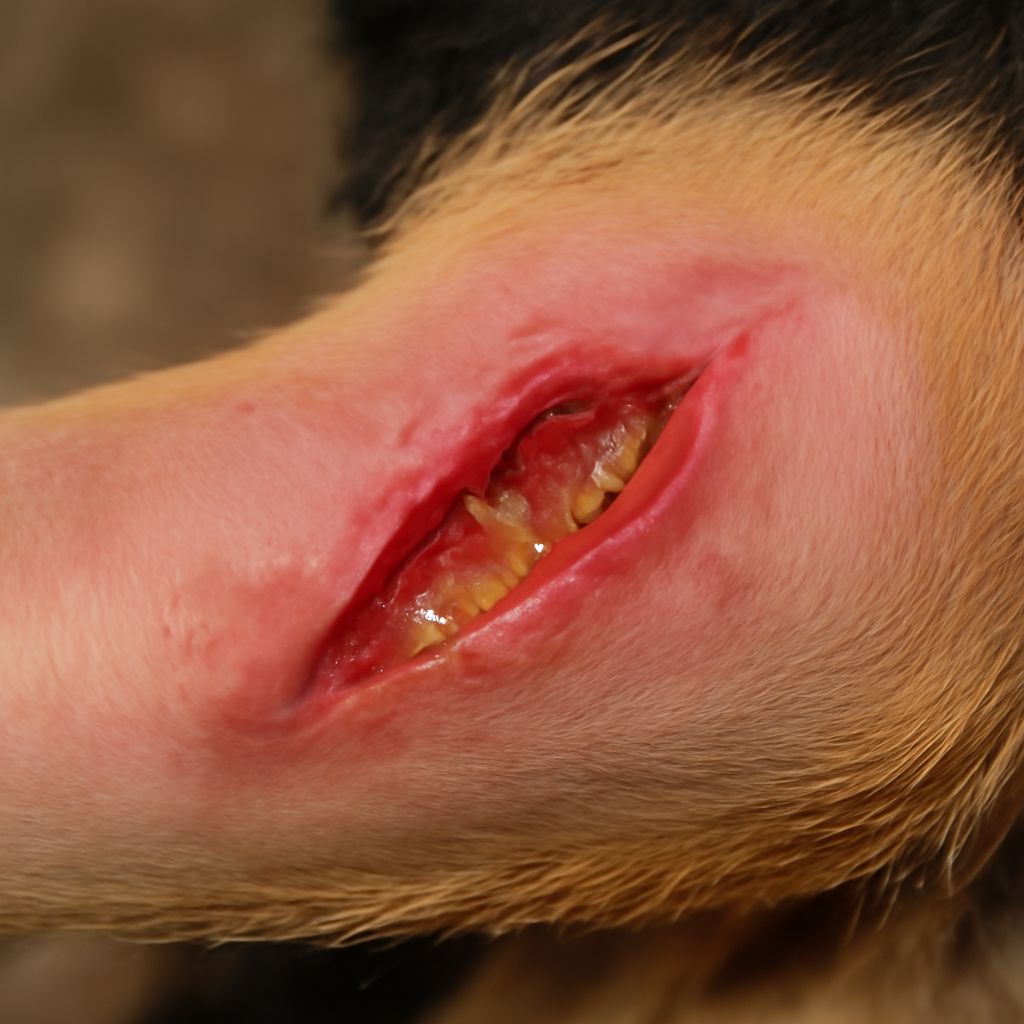

Dog nail infections are a common yet concerning issue for pet owners. Our furry friends rely on their paws for everything from walking to playing, making nail health critical. Understanding the causes of a dog infected nail can help us take better care of our pets and prevent unnecessary discomfort. Let’s dive into the causes, symptoms, and effective treatment options to ensure our dogs’ well-being.
Understanding Dog Nail Infections
Dog nail infections occur when bacteria, fungi, or other microorganisms invade the nail or nail bed. These infections can lead to pain, swelling, and even lameness if left untreated. Recognizing the initial signs and understanding the underlying causes can help us address the issue promptly and effectively. As responsible pet owners, it’s essential to monitor our dogs for any changes in their behavior or appearance, especially concerning their nails.
Causes of Dog Nail Infections
The primary causes of dog nail infections include trauma, poor grooming, and underlying health conditions. Trauma can occur from excessive chewing, accidents, or sharp objects, allowing bacteria to enter. Poor grooming practices can also lead to a buildup of dirt and bacteria, increasing infection risk.
Additionally, dogs with weakened immune systems or existing skin conditions are more susceptible to infections. Understanding these causes can help us implement preventive measures and ensure our pets lead healthy lives.
Symptoms of a Dog Infected Nail
Recognizing the symptoms of a dog infected nail is crucial for prompt treatment. Common signs include redness, swelling, and discharge around the nail. Your dog may also exhibit behavioral changes, such as licking or chewing the affected area excessively.
If you notice limping or reluctance to walk, it’s essential to inspect their nails closely. Early detection and intervention can prevent complications and ensure a quicker recovery for our pets.
Treatment Options for Dog Nail Infections
Once we suspect a nail infection, consulting a veterinarian is the best course of action. They might prescribe antibiotics or antifungal medications, depending on the infection’s nature. In some cases, pain relief medication may also be necessary.
Home care involves keeping the infected area clean and dry. Regular cleaning with recommended solutions can help reduce inflammation and promote healing. It’s essential to follow the vet’s instructions closely to ensure a full recovery.
Preventing Future Dog Nail Infections
Prevention is always better than cure, and maintaining good grooming habits is key to preventing future dog nail infections. Regularly trimming your dog’s nails helps avoid trauma and keeps them clean. Using proper grooming tools and techniques reduces the risk of cuts and scratches.
Additionally, providing a balanced diet and ensuring regular vet check-ups can strengthen your dog’s immune system, reducing infection risks. Being proactive in our pet’s nail care can go a long way in preventing infections and keeping them healthy.
Next steps: Let’s be diligent in our dog’s nail care routine. Regular grooming, timely vet visits, and monitoring for any signs of discomfort can help keep nail infections at bay. Our pets depend on us for their well-being, and by taking these preventive measures, we can ensure their paws remain healthy and infection-free.