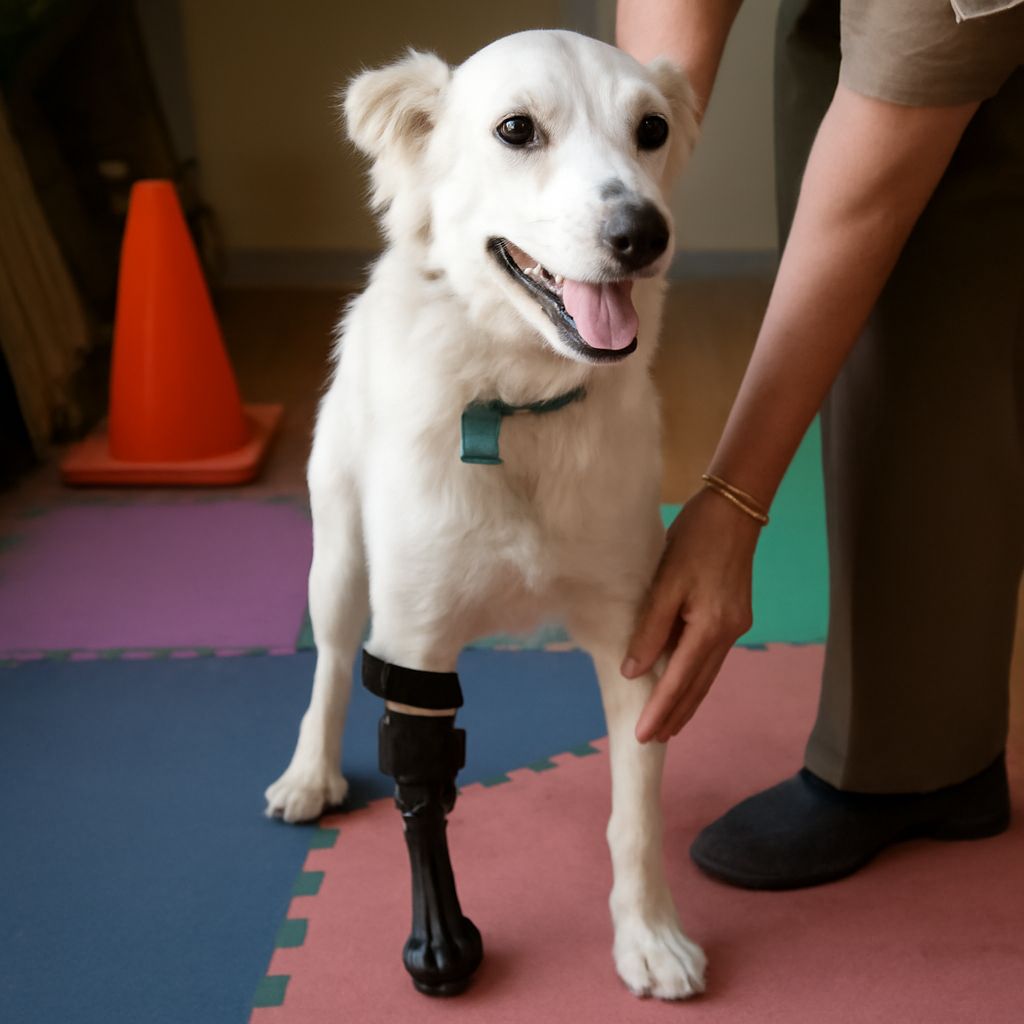

Our furry companions rely on us for their well-being, and when they face mobility challenges, it becomes crucial to explore innovative solutions like dog prosthetics. With the advancements in veterinary technology, a dog prosthetic leg can significantly enhance mobility and reduce pain, offering our pets a better quality of life. Let’s delve into the world of prosthetics and discover how these remarkable devices can transform the lives of our beloved dogs.
Understanding Dog Prosthetics
Dog prosthetics are specialized devices designed to replace or support a missing or impaired limb. These devices are custom-fitted to accommodate the unique anatomy and needs of each dog. By mimicking the function of a natural limb, prosthetics help restore normal gait and improve the overall well-being of your pet.
When considering a dog prosthetic leg, it’s essential to consult with a veterinarian who specializes in this area. They can guide you through the process, ensuring that the prosthetic is the right fit for your dog’s specific condition. Each prosthetic is tailored to address different issues, whether congenital, due to injury, or post-surgical needs.
Benefits of a Dog Prosthetic Leg
The primary advantage of using a dog prosthetic leg is improved mobility. Dogs with prosthetics can regain their ability to walk, run, and play with greater ease, which significantly enhances their quality of life. Additionally, these devices help in reducing pain that often comes with limb impairment.
Another benefit is the prevention of further complications. Without proper support, dogs may develop secondary issues such as joint pain or spinal problems due to the altered way they move. A well-fitted prosthetic can mitigate these risks and contribute to a healthier, happier pet.
Types of Dog Prosthetics
There are several types of dog prosthetics available, each designed to address specific needs. Forelimb and hind limb prosthetics are the most common, used for dogs who have lost part or all of their limbs. Additionally, full-leg prosthetics are available for complete limb replacement.
Other types include prosthetics for partial limb losses or specialized devices for unique conditions. Hinged prosthetics, for example, are designed to allow natural joint movement. It’s important to understand the different options and work with professionals to find the best solution for your dog.
Choosing the Right Prosthetic for Your Dog
Selecting the appropriate prosthetic involves considering factors such as your dog’s size, activity level, and specific health needs. A thorough evaluation by a veterinarian or a prosthetic specialist is crucial. They will assess your dog’s condition and recommend a device that provides optimal support and comfort.
Custom prosthetics are often the best choice as they ensure a perfect fit. During the fitting process, adjustments may be necessary to achieve the best possible outcome. Remember, the goal is to enhance your dog’s mobility and overall well-being.
Caring for Your Dog’s Prosthetic Leg
Maintaining a dog prosthetic leg requires regular care and attention. It’s important to keep the prosthetic clean and free from debris. Regular inspections can help you identify any signs of wear or discomfort early on, allowing for prompt adjustments.
Monitoring your dog’s skin around the prosthetic is also vital. Watch for any signs of irritation or sores, and consult your veterinarian if any issues arise. With proper care, prosthetics can last a long time and provide continuous support for your dog.
Frequently Asked Questions
How long does it take for a dog to adjust to a prosthetic leg?
Adjustment periods vary, but most dogs adapt within a few weeks. Consistent practice and positive reinforcement can make the transition smoother.
Are prosthetics suitable for all dogs?
While many dogs can benefit from prosthetics, suitability depends on individual circumstances. A thorough evaluation by a veterinarian is essential to determine the best course of action.
What is the cost of a dog prosthetic leg?
The cost can vary widely based on the type and complexity of the prosthetic. Consulting with a specialist will provide a clearer idea of potential expenses.
Safety Recap: When using prosthetics, always follow professional guidance and ensure regular check-ups to maintain your dog’s comfort and health. Proper care and monitoring are key to maximizing the benefits of these mobility-enhancing devices.