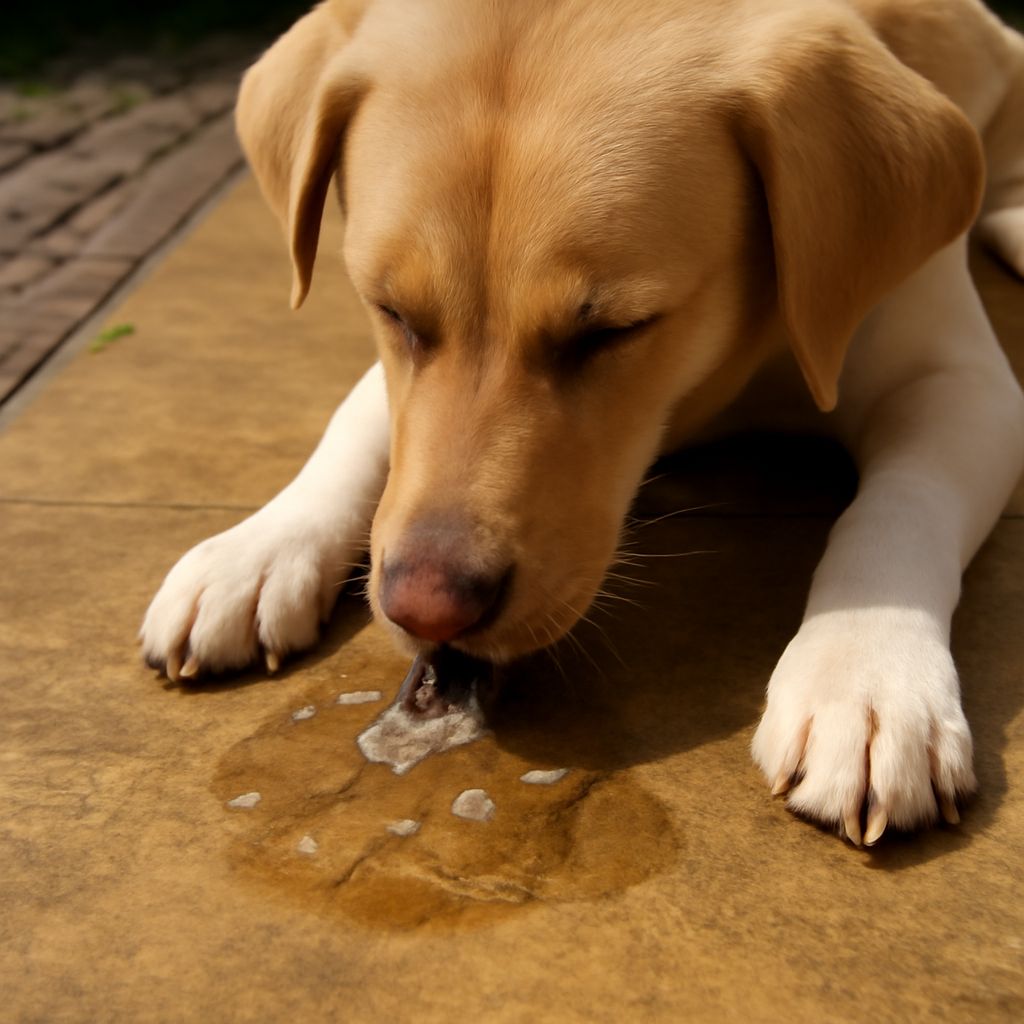

When it comes to keeping our furry friends cool during hot weather, many pet owners wonder, “Can dogs eat ice?” While ice can seem like a simple treat, it’s important to understand both the potential benefits and risks involved. In this article, we’ll address whether ice is bad for dogs and explore the best ways to keep your pet hydrated. Join us as we dive into this topic, shedding light on safe practices to ensure your dog’s well-being.
Can Dogs Eat Ice?
Many of us have probably seen our dogs eagerly licking a cube of ice on a warm day. But can dogs eat ice without any issues? Generally, ice is safe for dogs to consume in small, controlled amounts. However, it is crucial to monitor them while they enjoy this cold treat to prevent any unforeseen complications.
Is Ice Bad for Dogs?
The question of whether ice is bad for dogs is common among pet owners. While ice itself is not inherently harmful, certain situations may pose risks. Understanding these scenarios can help us make informed decisions about offering ice to our pets.
Benefits of Giving Ice to Dogs
Offering ice cubes to dogs can have several advantages. Firstly, ice can encourage them to drink more water, thus promoting hydration. Keeping our dogs hydrated is essential, especially during warmer months, to prevent heat-related health issues. Additionally, chewing ice can provide mental stimulation and entertainment, particularly for puppies or energetic dogs who enjoy engaging activities.
Potential Risks of Ice for Dogs
While ice can be beneficial, there are potential risks to consider when we give ice to dogs.
Choking Hazards
One of the primary concerns with dogs eating ice is the risk of choking. Large ice cubes can become lodged in a dog’s throat, leading to a dangerous situation. To mitigate this risk, we can break ice into smaller, more manageable pieces.
Dental Concerns
Chewing on hard ice can potentially cause dental damage. Dogs with sensitive or weak teeth may be at higher risk for fractures or chips. It is important to assess our dog’s dental health before allowing them to chew ice and consider softer alternatives if necessary.
How to Safely Give Ice to Your Dog
To safely offer ice to our dogs, we should follow a few guidelines. Always supervise your dog while they enjoy ice, ensuring that pieces are appropriately sized to prevent choking. If your dog tends to gulp or has existing dental issues, it might be wise to avoid solid ice and consider other cooling methods.
Alternatives to Ice for Dog Hydration
If we decide that ice may not be the best option for our dog, there are alternative strategies to keep them hydrated. Offering fresh, cold water throughout the day is a great start. We can also try adding water-rich fruits like watermelon or cucumber to their diet for an extra hydration boost. Additionally, dog-safe frozen treats are available and can be a fun way to cool them down.
Next steps: By understanding the benefits and risks associated with ice, we can make informed choices for our pets’ hydration. Let’s prioritize their safety by supervising ice consumption and exploring alternative methods to keep them cool. Remember, keeping our dogs hydrated and healthy is a team effort, so let’s stay attentive to their needs!