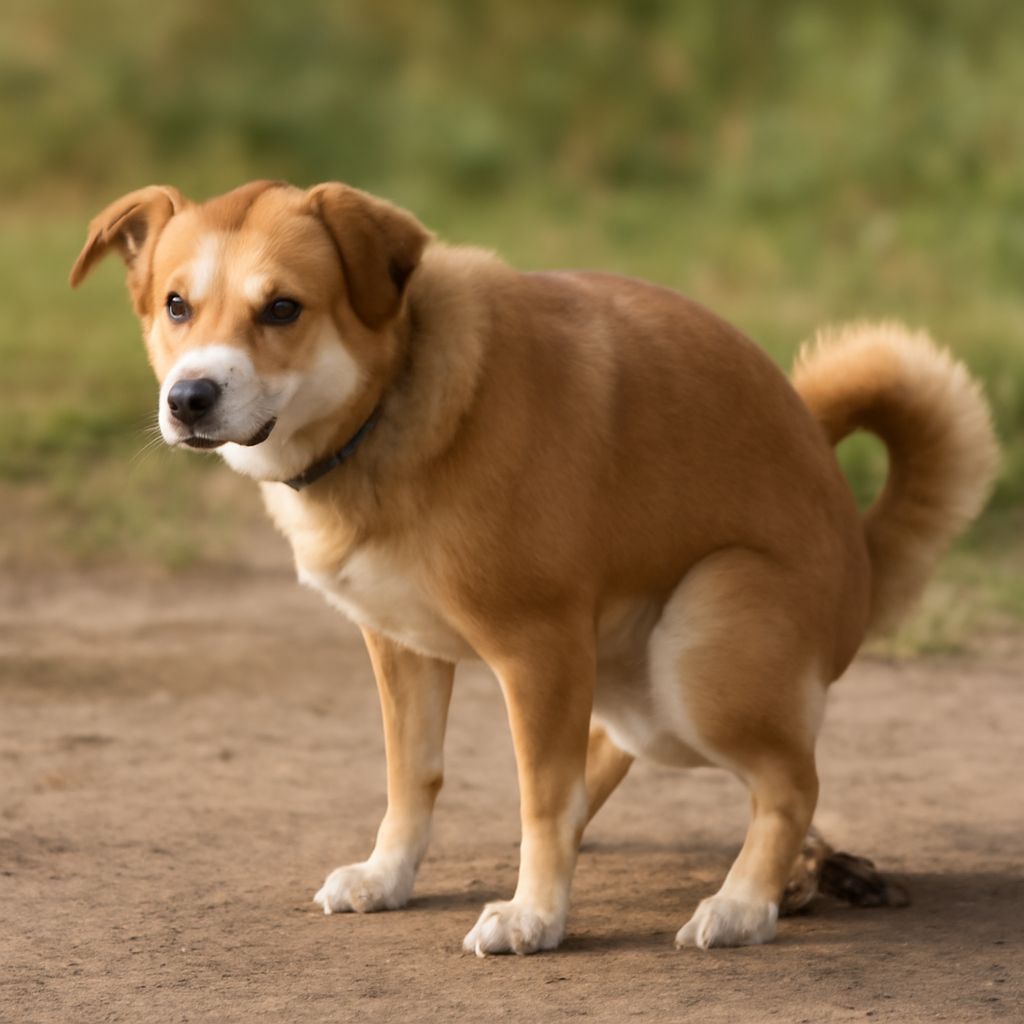

When our beloved dog starts farting a lot, it can quickly become a concern. We might notice that our dog’s farts smell so bad, or even that our dog has bad gas suddenly. Understanding the causes behind these issues is crucial, not only for our comfort but also for the health of our furry friends. Let’s dive into the world of canine flatulence and explore why your dog might be experiencing these unpleasant symptoms and what we can do about it.
Introduction to Dog Flatulence
Dog flatulence, much like in humans, is a natural bodily function. It occurs when gas builds up in the digestive system and is released through the rectum. However, excessive gas or particularly foul-smelling flatulence can be a sign that something is not quite right. While it’s normal for dogs to pass gas occasionally, frequent occurrences might indicate dietary issues or health problems that need addressing.
Common Causes of Dog Farting a Lot
Several factors contribute to why a dog might be farting a lot. One of the primary causes is diet. Foods that are difficult for dogs to digest, such as those high in fiber or rich in fats, can lead to increased gas production. Additionally, dogs that eat quickly and gulp down air may also experience more frequent gas.
Food allergies or intolerances are also common culprits. Ingredients such as dairy, soy, or certain grains might not agree with your dog’s digestive system, leading to excessive flatulence. Furthermore, sudden changes in diet can disrupt gut flora, causing your dog to have bad gas suddenly.
Why Do My Dog’s Farts Smell So Bad?
If you’ve ever wondered why your dog’s farts smell so bad, the answer often lies in their diet and digestion. Foods that are rich in sulfur, such as meats and cruciferous vegetables, can produce foul-smelling gas when broken down in the intestines.
Another reason could be the presence of bacteria in the gut. An imbalance in gut bacteria can lead to the production of noxious gases. In some cases, infections or parasites in the digestive tract can also contribute to particularly smelly flatulence.
Sudden Onset: When Your Dog Has Bad Gas Suddenly
When a dog suddenly develops bad gas, it can be alarming. This sudden onset is often linked to a specific dietary change or the consumption of something unusual. It might happen after a dog has scavenged something inappropriate or when they’ve been introduced to a new food too quickly.
Sometimes, stress or anxiety can also lead to digestive changes, resulting in increased gas production. If your dog has bad gas suddenly, consider any recent changes in their environment or routine that might be affecting their digestive health.
Solutions and Remedies for Reducing Your Dog’s Bad Gas
To help reduce your dog’s bad gas, start by examining their diet. Opt for high-quality, easily digestible dog food, and avoid giving them table scraps or foods known to cause flatulence. Introducing probiotics can help balance gut bacteria and improve digestion.
Feeding smaller, more frequent meals can also minimize the amount of air swallowed during eating, reducing gas production. Additionally, ensure your dog gets regular exercise, as physical activity aids in digestion and helps expel excess gas naturally.
When to Consult a Veterinarian
While occasional gas is normal, if your dog’s flatulence is persistent, extremely foul-smelling, or accompanied by other symptoms like bloating, diarrhea, or vomiting, it’s time to consult a veterinarian. These could be signs of underlying health issues that need medical attention.
A veterinarian can perform tests to determine if there are any digestive disorders or food intolerances at play. They can also provide recommendations tailored to your dog’s specific needs, ensuring their overall well-being and comfort.
Bottom line: Our dogs bring us joy and love, but dealing with excessive gas can be challenging. By understanding the causes and implementing effective remedies, we can help our furry companions live more comfortably. Let’s ensure their diet and lifestyle support their digestive health, and don’t hesitate to seek professional advice when necessary.