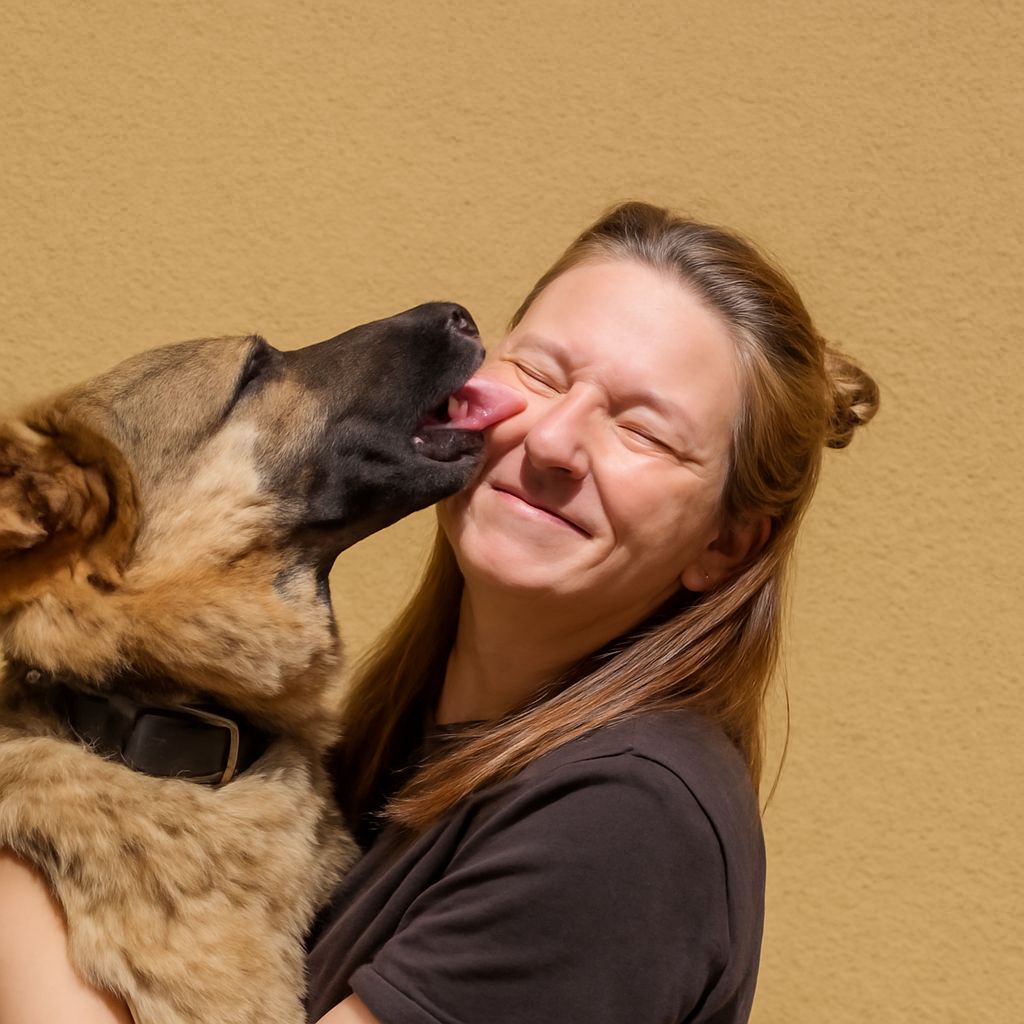

Why does my dog lick my hands? This common canine behavior often prompts us to wonder about the deeper meanings behind it. Whether your dog licks you when you pet him or engages in this action seemingly unprovoked, understanding the reasons can enhance our bond with our furry friends. By exploring the instinctive behaviors and motivations that drive this act, we can better respond to and manage licking. In this article, we will delve into the reasons why dogs lick your hands and how to manage excessive licking effectively.
Understanding the Instinctive Behavior
Dogs have an instinctive nature that drives them to lick. This behavior is deeply rooted in their ancestry and serves multiple purposes in their interactions with humans and other animals. Licking can be traced back to the time when puppies were groomed and fed by their mothers through licking. Thus, when dogs lick your hands, it may be an inherent expression of care and bonding.
Moreover, licking is a form of communication among dogs. It can signal submission, affection, or even a request for attention. By understanding that this behavior is instinctual, we can appreciate its role in our dog’s life. When a dog licks your hand, he might be trying to communicate a range of emotions or needs.
Reasons Why Dogs Lick Your Hands
There are several reasons why dogs engage in hand-licking behavior. First and foremost, dogs may lick your hands to express affection. Much like a hug or a kiss, licking is a way for dogs to show their love and strengthen their emotional connection with their owners.
Another reason is that dogs may be attracted to the taste of human skin, which can carry the salty residue of sweat or food particles. In this case, a dog licks your hand simply because it finds the taste appealing. Additionally, dogs may lick hands as a way of exploring their environment since they rely heavily on taste and smell for understanding the world around them.
What Does It Mean When a Dog Licks Your Hand?
When a dog licks your hand, it often signifies trust and familiarity. This behavior can be a sign that your dog feels safe and comfortable in your presence. It can also be a display of submission, as licking can indicate that the dog recognizes you as a leader.
Beyond affection and submission, licking can also be a way for dogs to seek attention. If a dog licks your hand and you respond with petting or talking, it learns that this behavior effectively captures your attention, reinforcing the action. Therefore, understanding the context in which the licking occurs can provide insights into its meaning.
Why Does My Dog Lick Me When I Pet Him?
Your dog may lick you when you pet him as a reciprocal gesture of affection. This mutual exchange reinforces your bond, making it a positive interaction for both parties. When we pet our dogs, they feel loved and are likely to return the favor by licking as a way to show their appreciation.
Additionally, licking during petting sessions may stem from excitement or contentment. Dogs often experience a surge of positive emotions when petted, and licking can be a natural outlet for this exuberance. It might also be that the petting itself stimulates the behavior, as the physical contact encourages licking responses.
How to Manage Excessive Licking
While occasional licking is generally harmless and can be a sign of a healthy relationship, excessive licking can become problematic. To manage this behavior, it’s essential to determine the underlying cause. If a dog licks your hand excessively, it might indicate anxiety, boredom, or even an underlying health issue.
One strategy for managing excessive licking is to redirect your dog’s attention with toys or training exercises. Providing mental and physical stimulation can reduce the likelihood of unwanted licking. Additionally, establishing consistent boundaries through positive reinforcement can help teach your dog when licking is appropriate.
In cases where licking seems compulsive or if you notice other behavioral changes, consulting a veterinarian or a professional dog trainer may be beneficial. They can help identify potential health concerns or behavioral issues and suggest appropriate interventions.
Key takeaways: Understanding why dogs lick your hands can enhance your relationship with your pet. Whether it’s a sign of affection, communication, or exploration, recognizing the context and frequency of this behavior is crucial. By managing excessive licking and appreciating its instinctive roots, we can foster a healthier interaction with our canine companions.