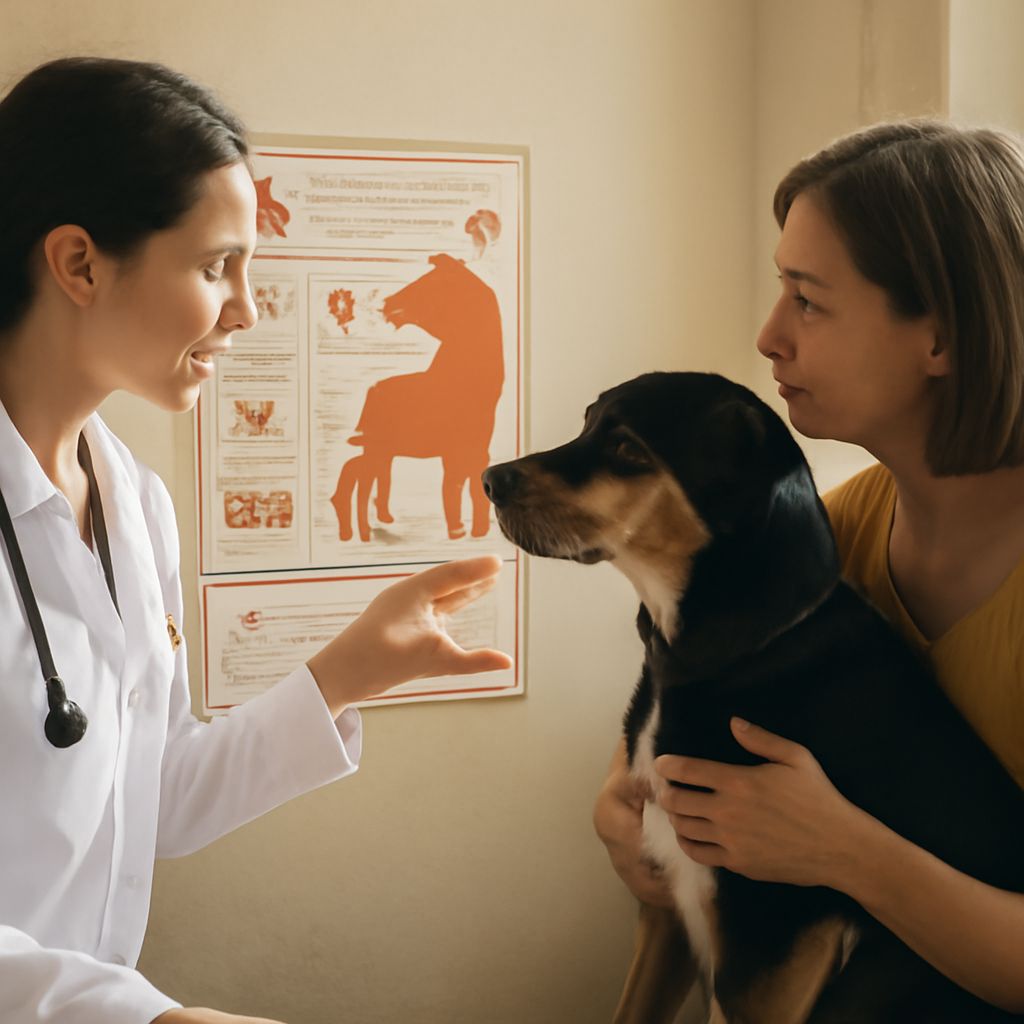

As pet owners, it’s our responsibility to ensure the well-being of our furry companions. One crucial aspect of maintaining their health is understanding the dog temperature range. Knowing what is the normal temperature for a dog helps us recognize signs of potential health issues and take timely action. In this article, we explore everything you need to know about your pet’s vital signs, including factors that affect temperature and how to measure it accurately.
Introduction to Dog Temperature
Dogs can’t verbally communicate when they’re feeling under the weather, so monitoring their physical signs is key. A dog’s body temperature is a vital indicator of their health. Just like in humans, a standard temperature range is crucial for their bodily functions. By understanding this, we can intervene early if something seems off, ensuring our pets lead happy and healthy lives.
What is the Normal Temperature for a Dog?
The normal temperature for a dog typically ranges between 100.5°F and 102.5°F (38°C to 39.2°C). Maintaining a consistent dog temperature range is essential for their metabolic processes and overall health. If their body temperature falls outside this range, it could indicate an underlying health issue that requires our attention.
It’s important to remember that each dog is unique, and minor fluctuations in their temperature can occur due to various factors. However, significant deviations from the normal temperature for a dog should not be ignored.
Factors Affecting Dog Temperature Range
Several factors can influence a dog’s body temperature. Physical activity is one of the primary factors; after vigorous play or exercise, a dog’s temperature may rise temporarily. Environmental conditions, such as hot weather or being in a warm room, can also affect their temperature.
Additionally, age and breed can play a role. Puppies and smaller breeds might have slightly higher baseline temperatures compared to larger or older dogs. Being aware of these factors helps us accurately interpret any changes in our pet’s temperature.
How to Measure Your Dog’s Temperature
Knowing how to measure your dog’s temperature accurately is essential for timely health assessments. The most reliable method is using a digital rectal thermometer. While this might sound intimidating, it’s relatively straightforward with practice.
Gently insert the thermometer into your dog’s rectum and hold it in place until it beeps. Always use a lubricant for ease and comfort. If you’re unsure, consult your veterinarian for a demonstration. Regularly checking your dog’s temperature allows us to establish a baseline and notice any deviations promptly.
Signs of Abnormal Temperature in Dogs
Recognizing signs of abnormal temperature in dogs can help us address health issues before they escalate. Symptoms of a fever might include lethargy, shivering, loss of appetite, and warm ears or paws. Conversely, hypothermia could manifest as weakness, shivering, and slow heart rate.
If we observe any of these signs along with temperature abnormalities, it’s crucial to consult a veterinarian immediately. Timely intervention can prevent complications and ensure our pet’s well-being.
Maintaining Normal Body Temperature for Dogs
Maintaining a normal dog temperature range is vital for their overall health. Regular exercise, a balanced diet, and proper hydration contribute to their body’s ability to regulate temperature effectively. Providing a comfortable environment, especially in extreme weather, is equally important.
For instance, during hot days, ensure they have access to shade and fresh water to prevent overheating. In colder months, providing a warm space and avoiding prolonged exposure to cold can prevent hypothermia.
Next steps: Regularly monitoring your dog’s temperature and understanding their unique baseline can help us respond swiftly to any health changes. Establishing a routine for temperature checks, especially during veterinary visits, can provide valuable insights into their overall health. Always consult a veterinarian if you notice persistent abnormalities or have concerns about your pet’s well-being. By staying informed and proactive, we contribute to our furry friend’s happy and healthy life.