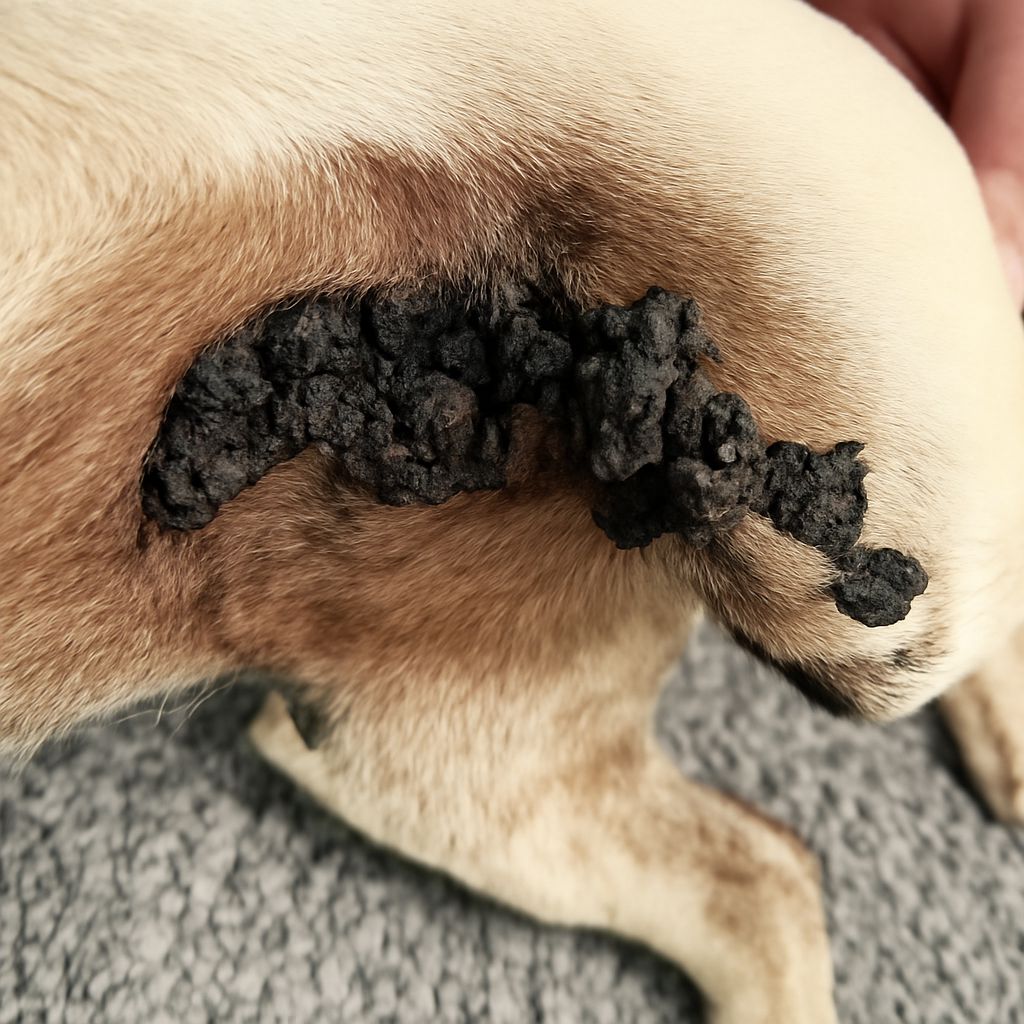

When considering the health of our canine companions, understanding viral papilloma dog growths is essential. Papillomavirus dogs can result in these viral growths, often resembling HPV in dogs, and can pose a concern for pet owners. In this article, we delve into the causes, symptoms, and treatment options for papilloma dog, helping you make informed decisions about your pet’s health care.
What is Papilloma Dog?
Papilloma dog refers to the presence of viral warts, or papillomas, in dogs. These are typically caused by the canine papillomavirus, similar to the human papillomavirus (HPV). While these growths are generally benign, they can be unsightly and sometimes uncomfortable for our furry friends. Commonly found around the mouth, eyes, or other mucous membranes, papillomas are usually small, cauliflower-like bumps that can appear in clusters or individually.
Understanding papilloma dog begins with recognizing its viral nature. The virus primarily affects young dogs whose immune systems are still developing, though older dogs with compromised immunity can also be susceptible. It’s important for pet owners to be able to identify these growths early, ensuring proper care and treatment as needed.
Causes of Papillomavirus Dogs
The primary cause of papillomavirus dogs is the canine papillomavirus. This virus is highly contagious and can be spread through direct contact with an infected dog or contaminated environments. Areas frequented by many dogs, such as parks, grooming salons, or daycare facilities, can become hotspots for virus transmission, especially if proper sanitation protocols aren’t followed.
In addition to environmental factors, a dog’s immune system plays a significant role in susceptibility to the virus. Puppies and younger dogs are more prone to infection as their immune systems are not fully developed. Similarly, dogs with weakened immune systems due to illness or stress are at a higher risk for developing viral papilloma dog growths.
Symptoms of Viral Papilloma Dog
The most recognizable symptom of a viral papilloma dog is the appearance of small, wart-like growths, typically around the mouth and lips. In some cases, papillomas may appear on the eyelids, paws, or other parts of the body. These growths are generally painless but can become irritated or infected, leading to discomfort and additional symptoms such as redness, swelling, or bleeding.
Aside from visible warts, some dogs may exhibit behavioral changes if the papillomas cause irritation. You might notice your dog pawing at their mouth or face more frequently, or avoiding eating if the growths are particularly bothersome. If you observe any of these symptoms, it’s advisable to consult a veterinarian to confirm a diagnosis and discuss treatment options.
Diagnosis and Treatment Options
Diagnosis of a viral papilloma dog typically involves a visual examination by a veterinarian. In some cases, a biopsy may be performed to rule out other types of growths or infections. Once diagnosed, treatment options vary based on the severity and location of the papillomas.
In many instances, papillomas resolve on their own as the dog’s immune system combats the virus. However, if the growths persist or cause discomfort, medical intervention may be necessary. Treatment options include surgical removal, cryotherapy (freezing the growths), or laser ablation. Additionally, some veterinarians may recommend antiviral medications or immune-supporting supplements to help the dog’s natural defenses.
Preventing HPV in Dogs
Preventing HPV in dogs involves a combination of good hygiene practices and minimizing exposure to the virus. Regularly cleaning shared dog spaces and maintaining proper sanitation in areas where dogs congregate can reduce the risk of virus transmission. Ensuring that your dog’s vaccinations and overall health care are up to date can also help bolster their immune system.
It’s equally important to monitor your dog for any signs of viral infections and avoid contact with infected dogs. If your pet does develop papillomas, keep them away from other dogs until the growths have cleared to prevent spreading the virus further. Regular veterinary check-ups can also be crucial in catching potential health issues early.
Safety Recap: While the treatment of viral papilloma dog growths can involve surgical or medical intervention, it’s essential to follow veterinary advice closely. Ensure any tools or medications are used as directed to promote safe and effective healing.