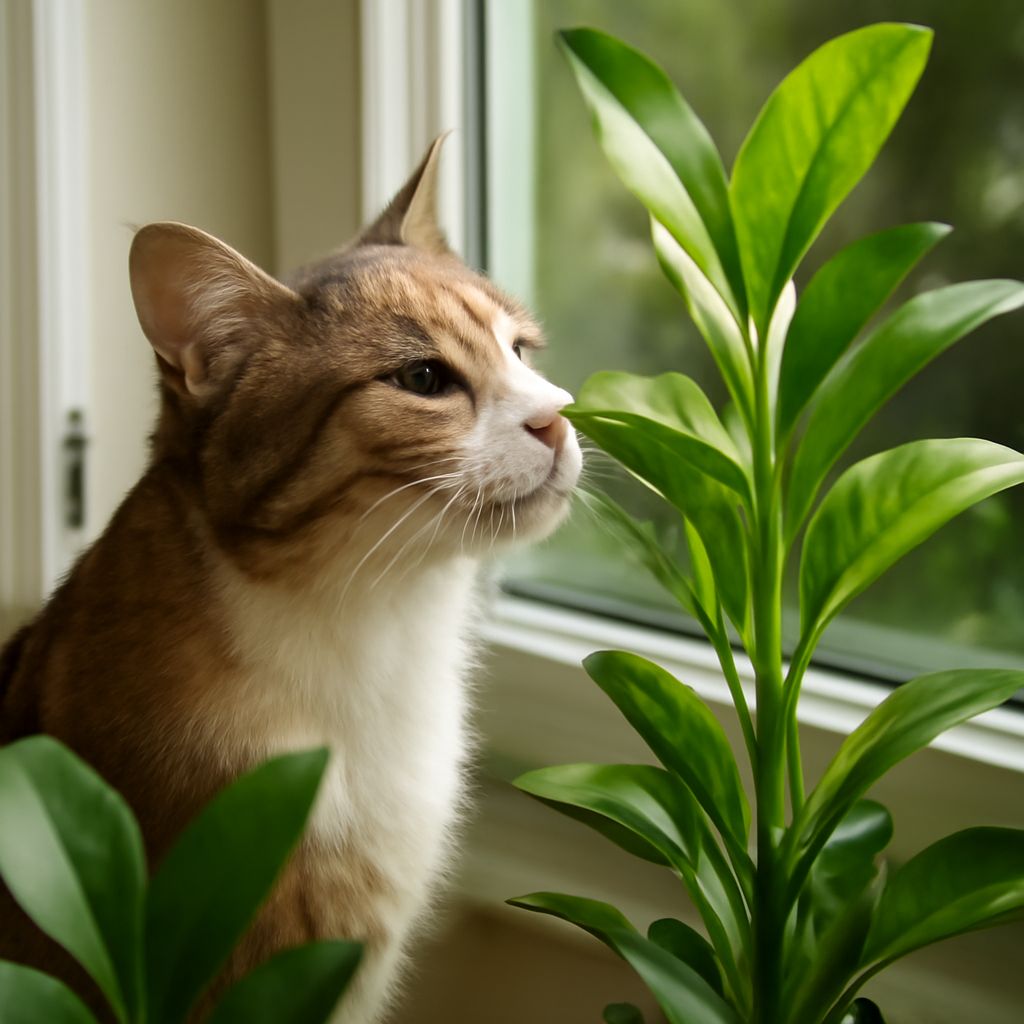

Could that bouquet make your cat sick? Yes: some blooms poisonous to cats can cause severe illness, and others may irritate the mouth or stomach. If your cat may have chewed a hazardous plant, move the cat away and call your veterinarian or an animal poison service promptly. Don’t wait for symptoms.
The answer to which flowers are toxic for cats starts with identification. Common names can be misleading, and a mixed bouquet may contain several species. A label, a clear photo, and the plant’s scientific name can help you and your vet work out what happened.
What Flowers Are Toxic to Cats? Start With the Highest Risks
When you’re asking what flowers are poisonous to cats, put true lilies and daylilies at the top of your check. Plants in the Lilium and Hemerocallis genera, including Easter lilies and daylilies, can cause acute kidney failure in cats. All parts are dangerous, including pollen and vase water. A cat can be exposed by grooming pollen from its fur, even without chewing a petal.
Keep these flowers out of a home with cats. If you suspect contact, call a vet or emergency animal hospital immediately, even if your cat looks well. Early treatment matters. The ASPCA’s guidance on lilies and other plants explains why these exposures need urgent attention.
Other flowers that are poisonous to cats include lily of the valley, which can affect the heart, and autumn crocus, which can cause serious illness. Azaleas and daffodils are also hazardous. The severity and treatment depend on the plant and exposure, so don’t try to rank a bite yourself. Call for advice.
Not every plant with “lily” in its name has the same effect. Peace lilies are not true lilies, but chewing them can cause painful mouth irritation and drooling. That distinction helps a professional assess the risk; it isn’t a reason to ignore an exposure.
Houseplants deserve a check, too
Flowers aren’t the only concern. Among plants toxic to cats, sago palm is particularly dangerous: ingestion can cause liver failure, and every part is toxic. Pothos and philodendron can cause mouth irritation, drooling, and difficulty swallowing when chewed. These plants bad for cats may sit on a shelf for years before a curious pet finds them.
Some plants poisonous to cats cause irritation, while others can threaten life, but the first call is the same. A cat drooling after chewing a leaf may need care for pain and swelling; a cat exposed to a true lily may need emergency treatment before signs appear. Tell the vet what you saw rather than waiting to see which category fits.
If you are looking for plants that are bad for cats, check both existing pots and incoming gifts. Flowers toxic to cats can arrive unexpectedly in a mixed arrangement. A bouquet wrapper may identify the flowers, while a nursery tag can provide the scientific name of a houseplant. Keep the label or photograph it before it disappears into a drawer full of mystery keys.
How to identify an unfamiliar plant
Start with the label, then check the scientific name against the ASPCA toxic and non-toxic plant list for cats. Common names overlap: a “palm” is not enough information to distinguish a sago palm from a different plant sold under that name.
If you can’t identify a plant, keep it where your cat cannot reach it while you ask the seller, florist, or a knowledgeable nursery for the full name. A picture can help narrow the possibilities, but don’t rely on a photo match alone when an exposure may have occurred. Call your vet and share the clearest photos you have, including leaves, flowers, and any label.
The same approach applies to cut arrangements, including flowers poisonous to cats that may be hidden among greenery. Ask the florist for a list of every species, including greenery. When you can’t verify the contents, keep the arrangement outside the cat’s living space. A high shelf is not much of a guarantee to a determined climber.
Choosing plants for a shared home
Wondering what plants are safe for cats? The ASPCA lists African violet (Saintpaulia species), spider plant (Chlorophytum comosum), and parlor palm (Chamaedorea elegans) as non-toxic to cats. For cat friendly indoor plants, check each exact scientific name before buying; similar-looking varieties and shared common names can lead to mistakes.
If you want houseplants safe for cats with pictures, the ASPCA’s African violet and spider plant entries provide photos and identification details. Compare those with the nursery label, not just the shape of a leaf.
The best plants for cats are also suited to your home: consider the light, the size of the pot, and whether your cat likes to dig. Place pots securely so they won’t tip. Keep fertilizer, pesticides, and decorative soil treatments away from pets, and follow product directions.
Non-toxic does not mean edible in unlimited amounts. Even safe plants for cats can cause an upset stomach if chewed. If your cat repeatedly eats foliage, move the pot out of reach and discuss the behavior with your vet. You can enjoy cats and plants in the same home without turning every leaf into a snack.
What to do after a suspected exposure
If you find a chewed leaf or see your cat licking a flower, act promptly:
- Separate your cat from the plant. Remove loose material from the mouth only if you can do so safely, without forcing it.
- Call your veterinarian or an emergency animal hospital. You can also contact the ASPCA Animal Poison Control Center at 888-426-4435; a consultation fee may apply.
- Keep the evidence. Have the plant name, label or photos ready. Note when the contact may have happened, which part was involved, and any signs such as drooling or vomiting.
- Follow the professional’s instructions. Don’t induce vomiting or give home remedies unless specifically directed by a veterinarian or poison expert.
If the question is what flowers are toxic to cats and the plant is still unidentified, say so on the call. The team can advise what to do while identification is underway. Bring a sample or photo if requested, and call ahead if you are heading to the clinic.
There are plenty of cat friendly house plants to explore, but no list covers every bouquet or every circumstance. Even plants that are safe for cats should be checked by species, and flowers that are toxic to cats should be kept out of reach or out of the home. If you suspect exposure, separate your cat from the plant, save its identity, and call for help promptly.