
Many of us adore our canine companions, but dealing with smelly dog ears can be a less delightful aspect of pet ownership. Understanding why some dogs, especially small dogs with big ears, develop unpleasant ear odors is essential for maintaining their health and comfort. In this article, we will explore the common causes of stinky dog ears and discuss natural treatment methods. We’ll also delve into the benefits of using witch hazel and essential oils for dog ear care, offering practical steps to prevent bad odors from occurring in the first place.
Why Do Dogs Have Smelly Ears?
Dog ears might develop an unpleasant smell for several reasons. Typically, a healthy dog’s ears should have minimal odor. However, when there is an imbalance or infection, the odor can become quite noticeable. A dog’s ear anatomy, particularly in breeds with floppy or large ears, can create an environment that traps moisture and debris, leading to odor. Understanding the underlying causes is crucial for effective treatment and prevention.
Common Causes of Stinky Dog Ears
Several factors can contribute to smelly dog ears. Ear infections are one of the most common causes, often resulting from yeast or bacteria. Allergies can also lead to excess earwax production and subsequent odor. Additionally, if our dogs swim frequently or live in humid climates, moisture can accumulate, further promoting bacterial growth. Recognizing these common causes helps us take the first steps toward addressing the issue.
How to Treat Smelly Dog Ears Naturally
Treating smelly dog ears naturally involves a multi-faceted approach. Regular cleaning is paramount, but we must be gentle to avoid irritating the sensitive skin inside the ear. Using a natural ear cleaner specifically designed for dogs can help remove excess wax and debris. Incorporating vinegar or green tea in a diluted form as a rinse can also help balance the pH level and deter bacterial growth. Never use cotton swabs, as they can push debris further into the ear canal.
Using Witch Hazel for Dog Ear Care
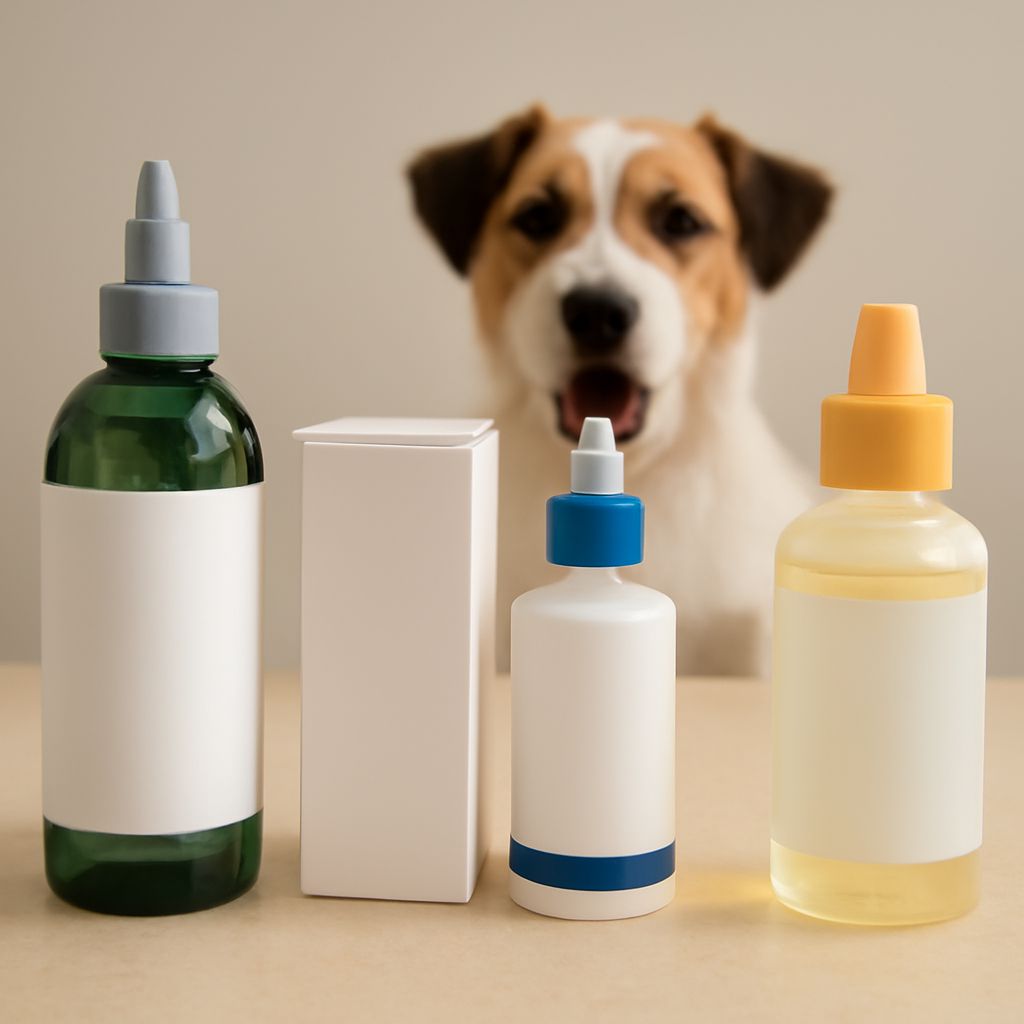
Witch hazel is a natural astringent that can be particularly useful for dog ear care. Its antiseptic properties help reduce inflammation and soothe the ear canal. To use witch hazel effectively, apply a few drops onto a cotton ball and gently wipe around the visible part of the ear. This method helps remove excess moisture and debris, reducing the chances of infection. Remember, while witch hazel can be beneficial, it should not replace veterinary care if an infection is severe or persistent.
Essential Oils for Improving Dog Ear Health
Essential oils can play a role in improving dog ear health when used correctly. Oils such as lavender and chamomile are known for their soothing properties, while tea tree and eucalyptus oils have natural antimicrobial effects. However, essential oils should always be diluted and used cautiously, as dogs have sensitive skin. A few drops mixed with a carrier oil can be gently massaged into the outer ear to help alleviate odors and promote healing. Always consult with a veterinarian before introducing essential oils to your dog’s care routine.
Preventing Bad Odors in Small Dogs with Big Ears
Prevention is key, especially for small dogs with big ears, which are prone to odor issues due to their ear structure. Regular grooming, including ear checks, helps keep potential problems at bay. Keeping the ears dry, particularly after bathing or swimming, is essential. Additionally, a balanced diet can improve overall skin and coat health, reducing the likelihood of ear issues. By being proactive, we can ensure our furry friends remain healthy and happy, free from uncomfortable ear problems.
Next Steps: Regular maintenance is vital for preventing and managing smelly dog ears. By incorporating natural remedies like witch hazel and essential oils into our routine and addressing potential causes like allergies and moisture, we can keep our dogs’ ears healthy. Remember, if you notice persistent or severe symptoms, consulting with a veterinarian is always the best course of action. Let’s commit to routine ear care to ensure the well-being of our beloved pets.