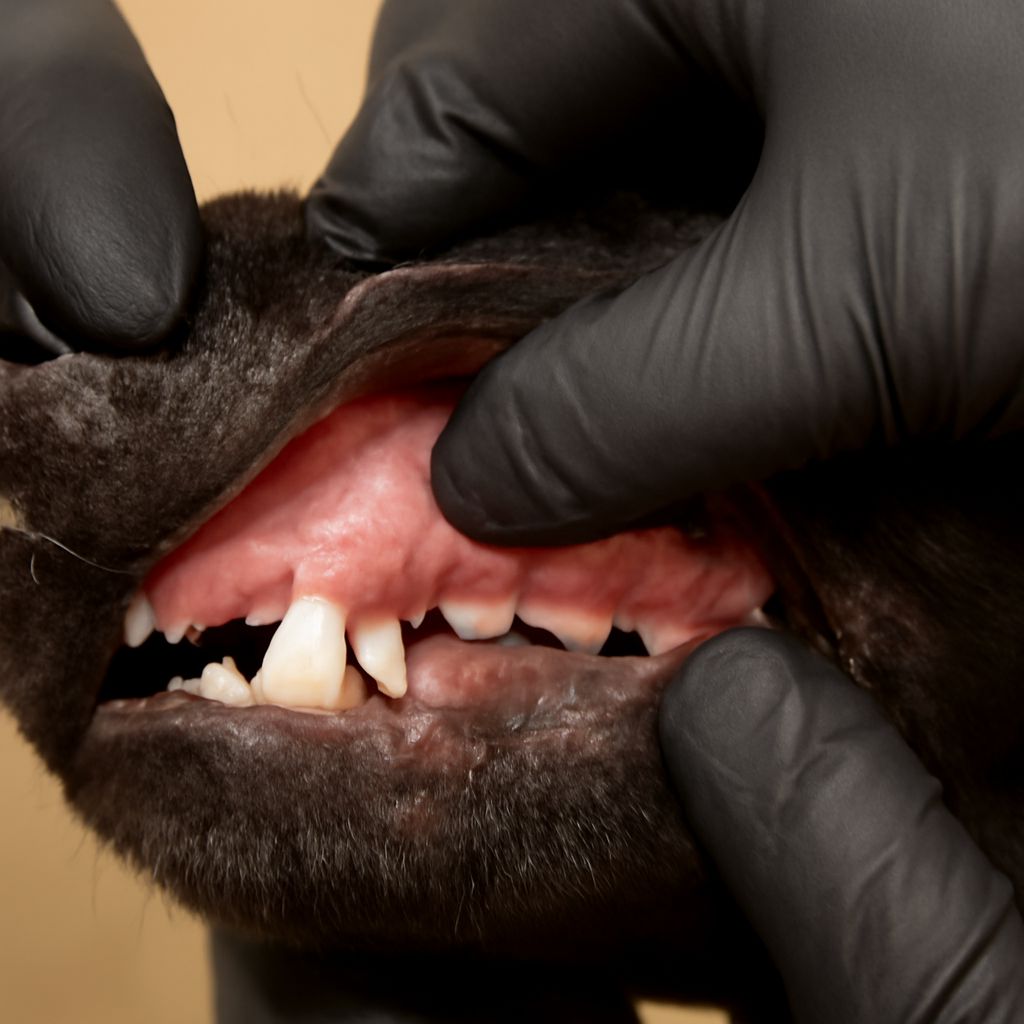

As pet owners, we often find ourselves pondering the question, “What color should dogs’ gums be?” This might seem like a trivial question, but the color of a dog’s gums can actually be a crucial indicator of their overall health. Having a solid understanding of what constitutes healthy gums in dogs is vital for monitoring their well-being. From recognizing the signs of pale gums to understanding the appearance of black spots on dogs’ gums, being informed helps us act swiftly if anything seems amiss. Let’s delve into the fascinating world of canine oral health and learn more about how to spot and maintain healthy gums in our furry companions.
Understanding Dogs’ Gums and Their Importance
Dogs’ gums, much like humans’, play a vital role in their oral and overall health. The gums serve as a protective barrier for the teeth and jawbone, and they are also an excellent indicator of a dog’s circulatory system health. Observing the color and condition of our dogs’ gums can help us detect health issues early. Healthy gums indicate good blood circulation, while any changes in color or texture might signal underlying health problems.
What Color Should Dogs’ Gums Be?
So, what color should dogs’ gums be? Ideally, healthy canine gums are a nice bubblegum pink. This color suggests proper blood flow and oxygenation. However, it’s essential to remember that gum color can vary slightly between different dog breeds. Regularly checking our dogs’ gums helps establish a baseline so that we can notice any changes promptly.
Signs of Healthy Gums in Dogs
In addition to the bubblegum pink hue, there are several other signs that suggest our dogs have healthy gums. The gums should be moist and slippery to the touch, which indicates adequate hydration. The gum surface should be smooth without any bumps or lesions. When gently pressed, healthy gums will blanch to a pale pink or white and quickly return to their normal color. This quick capillary refill time is an excellent indicator of good circulation.
What It Means When Dogs’ Gums Are Pale
Pale gums in dogs can be quite alarming as they often indicate a problem with the dog’s circulatory system. When we notice our dog’s gums are pale, it might suggest anemia, blood loss, or other systemic issues such as shock. If we see this change, it’s crucial to visit a veterinarian promptly for a thorough examination and appropriate tests. Monitoring the gum color can be a lifesaver, as catching these signs early allows for quicker intervention.
Exploring Black Spots on Dogs’ Gums
Sometimes, we may notice black spots on dogs’ gums, which can be concerning. However, in many cases, these spots are harmless. Certain breeds, like Chow Chows or Labradors, may naturally have pigmented spots on their gums, similar to freckles. It’s essential to distinguish between normal pigmentation and irregular patches that could suggest an issue. If the spots change in size, color, or texture, or if they appear suddenly, we should consult a vet to rule out any potential problems.
How to Maintain Healthy Gums in Dogs
Maintaining our dogs’ gum health is a key aspect of their overall wellness. Regular dental care, including brushing their teeth with canine-safe toothpaste, helps keep the gums in good condition. Providing dental treats and toys designed to promote oral health can also be beneficial. Regular check-ups with a veterinarian, who can perform professional cleanings and assessments, are crucial. Keeping an eye on our pet’s diet and ensuring they have a balanced and nutritious intake can further support their oral health.
In conclusion, the color and condition of our dogs’ gums provide valuable insights into their health. By regularly checking and maintaining healthy gums, we can help prevent illnesses and ensure our companions lead happy, healthy lives. Let’s stay vigilant and proactive in our pets’ oral care routines.
Next steps: Let’s make it a habit to check our dog’s gums regularly. Incorporate teeth brushing into their routine and schedule regular vet visits to keep their oral health in check. By doing so, we take vital steps towards maintaining their overall health and happiness.