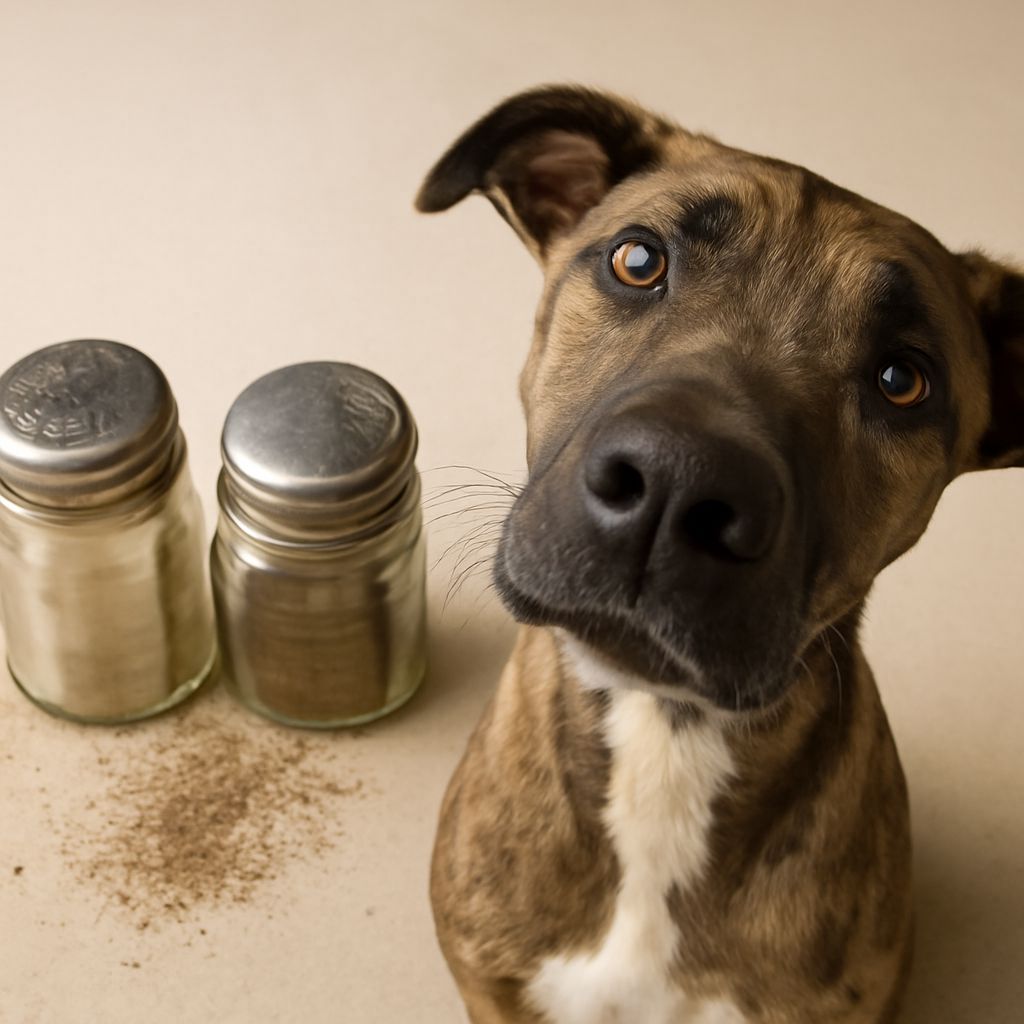

As pet nutrition enthusiasts, we’re often asked about various human foods and their effects on our furry friends. One topic that frequently arises is cayenne pepper for dogs. Although cayenne pepper is a staple in many kitchens, its suitability for canine diets is not always clear. Today, we’ll address the question: can dogs eat cayenne pepper? By exploring this spicy seasoning’s safety, risks, and alternatives, we aim to empower you to make informed choices for your dog’s health.
Whether you’re a seasoned dog owner or new to canine nutrition, understanding how spices like cayenne pepper interact with your pet’s body is critical. Let’s break down its uses, potential dangers, and what to do if your pup comes into contact with this fiery ingredient.
Understanding Cayenne Pepper and Its Common Uses
Cayenne pepper, derived from dried and ground chili peppers, is celebrated in cooking for its vibrant heat and bold flavor. It’s a frequent addition to everything from stews to marinades, lending both spice and a nutritional kick thanks to its capsaicin content. Capsaicin is the compound responsible for the pepper’s signature heat and has been linked in humans to certain health benefits, such as metabolism support and pain relief.
Beyond the kitchen, cayenne pepper is sometimes used in home remedies. Some pet owners encounter advice online suggesting it can deter pets from chewing furniture or digging up gardens. However, these non-culinary uses raise questions about the safety of cayenne pepper for dogs, especially if a curious pup ingests it or comes into contact with it on their skin or paws.
It’s essential to remember that dogs process foods and spices differently than humans. What’s harmless or even beneficial to us isn’t always appropriate for our pets. Understanding the ingredients in our food and their effects on animals sets the stage for responsible feeding.
Can Dogs Eat Cayenne Pepper? Safety and Risks
Let’s address the central concern: can dogs eat cayenne pepper? The short answer is that cayenne pepper is not considered a safe or recommended food for dogs. While it isn’t toxic in the way that chocolate or grapes are, the risks outweigh any potential benefits. Even small amounts can lead to discomfort, and larger quantities may cause distress or even harm.
First, dogs have much more sensitive digestive systems than we do. When dogs eat cayenne pepper or foods heavily seasoned with it, they may experience gastrointestinal upset. This can range from drooling and pawing at the mouth to vomiting, diarrhea, or abdominal pain. In some cases, exposure to spicy foods like cayenne pepper for dogs can trigger more severe symptoms, especially in puppies, senior dogs, or those with existing health issues.
Another concern is that cayenne can irritate a dog’s mouth, throat, and digestive tract. It may also cause discomfort if it gets into their eyes or on their paws. While some online sources claim cayenne acts as a harmless deterrent for chewing or digging, using it in this way often leads to more harm than good, potentially causing fear, pain, or even injury.
Ultimately, it’s best to keep dishes seasoned with cayenne pepper out of your dog’s reach. When considering what’s safe to share from your plate, always err on the side of caution and avoid spicy ingredients.
Potential Effects of Cayenne Pepper for Dogs
When a dog consumes cayenne pepper, the most immediate effect is irritation. You might notice your pet pawing at their mouth, excessive licking, or attempts to drink more water. Some dogs may cough, sneeze, or appear restless. These are classic signs of oral discomfort caused by the spicy compound capsaicin.
For some dogs, a small lick or taste may result in only mild symptoms that resolve quickly, but others could react more strongly. Dietary irritants like cayenne pepper can also lead to digestive issues. Common consequences include vomiting, diarrhea, stomach cramps, and loss of appetite. These effects can be particularly pronounced in smaller breeds or sensitive dogs.
There’s also a risk of secondary problems. For instance, if a dog rubs their eyes after eating or stepping on cayenne pepper, they could develop eye irritation or conjunctivitis. Chronic exposure, as can happen when cayenne is used as a deterrent in the home or yard, may result in ongoing discomfort or behavioral changes.
In rare cases, if a dog consumes a very large amount of cayenne pepper, it could even lead to more serious distress, dehydration, or complications requiring veterinary care. While not classified as a toxin, the potential for harm makes it best to keep spicy foods out of your dog’s diet.
What to Do If Your Dog Eats Cayenne Pepper
If you discover that your dog has eaten cayenne pepper, don’t panic. Most dogs experience only mild, temporary symptoms. Begin by offering fresh water to help soothe irritation and rinse any capsaicin from their mouth. Observe your pet closely for at least a few hours, watching for vomiting, diarrhea, excessive drooling, or signs of pain.
Should your dog develop more severe or persistent symptoms—such as repeated vomiting, lethargy, signs of abdominal pain, or difficulty breathing—contact your veterinarian promptly. Bring information about the amount and form of cayenne pepper consumed to help your vet assess the situation.
If cayenne pepper got into your dog’s eyes or on their skin, rinse the affected area gently with cool water and consult your veterinarian for further advice. Avoid home remedies that aren’t backed by veterinary guidance, as improper treatments can sometimes worsen irritation.
Above all, keep foods and spices like cayenne out of your dog’s environment whenever possible, and educate family members about the risks. Prompt action and vigilance are key to keeping your pet safe.
Healthier Alternatives to Cayenne Pepper for Dogs
Instead of relying on cayenne pepper for deterring unwanted behaviors or sharing spicy table scraps, consider dog-friendly alternatives. Many dogs enjoy flavor variety, but it’s important to choose seasonings and treats tailored to their unique health needs.
Herbs such as parsley, basil, or rosemary are milder options that can add aroma and taste to homemade dog treats without digestive risk. For enrichment, offer crunchy vegetables like carrots or cucumbers, which satisfy chewing urges naturally. If you’re seeking a behavioral solution, positive reinforcement and training work far better than aversive agents like cayenne pepper.
When preparing meals for your pet, prioritize whole-food ingredients and skip the spices. Commercial dog treats and foods are formulated to meet nutritional needs without unnecessary additives. If you’re interested in making your own treats, consult a veterinary nutritionist for safe recipes.
Ultimately, providing a varied, balanced diet with appropriate enrichment keeps dogs happy and healthy—no need for cayenne or other spicy deterrents.
Pro tips recap: When it comes to cayenne pepper for dogs, err on the side of caution. Avoid sharing spicy foods, use positive training methods, and work with your veterinarian to ensure your dog’s diet is safe, nutritious, and enjoyable.