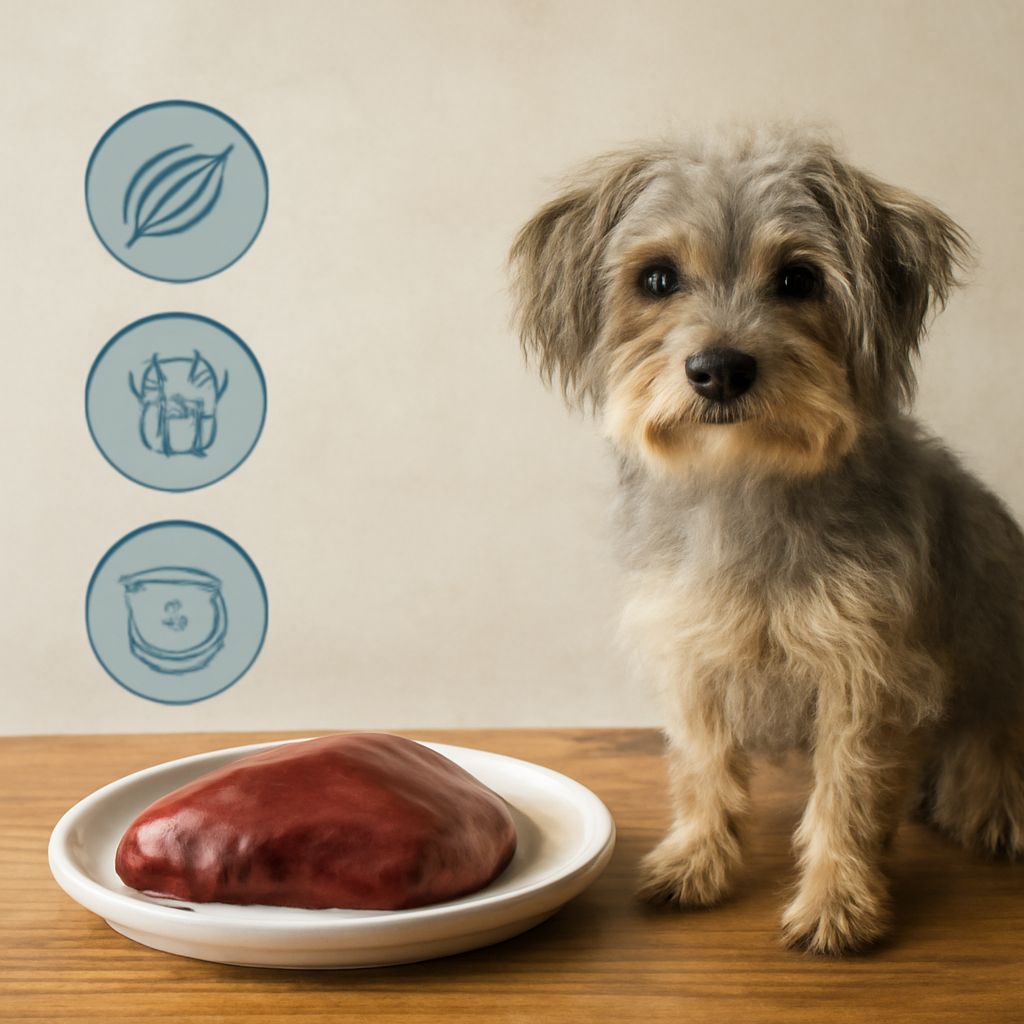

As pet owners, we often wonder about the best dietary choices for our furry friends. One question that frequently arises is, “Can dogs eat beef liver?” This query leads us to explore the nutritional benefits and potential risks associated with feeding beef liver to dogs. By understanding the full scope of what beef liver offers, we can make informed decisions to enhance our pets’ health and well-being.
Understanding the Nutritional Value of Beef Liver for Dogs
Beef liver is a powerhouse of nutrients, making it an excellent addition to a dog’s diet when fed in moderation. It is rich in essential vitamins and minerals that support overall health. Beef liver contains a high concentration of vitamin A, vital for maintaining healthy vision, immune function, and cell growth. Additionally, it is packed with iron, which is crucial for oxygen transport in the blood and preventing anemia.
Besides vitamin A and iron, beef liver is abundant in B vitamins, including B12, which aids in energy production and supports the nervous system. It also provides a good amount of copper, zinc, and selenium, contributing to antioxidant protection and a robust immune response. The high-quality protein content in beef liver supports muscle development and repair, making it a valuable component of a balanced canine diet.
Is Beef Liver Good for Dogs? Exploring the Benefits
When considering if beef liver is good for dogs, we must weigh its numerous benefits. Firstly, its nutrient density makes it a potent source of vitamins and minerals, essential for maintaining optimal health. This nutrient profile can enhance a dog’s coat condition, improve digestive health, and boost energy levels.
Moreover, beef liver can be particularly beneficial for puppies and active dogs, needing extra protein and nutrients for growth and recovery. The liver’s high palatability also makes it an excellent training treat, motivating dogs to learn new commands and behaviors.
Potential Risks and Precautions When Feeding Beef Liver to Dogs
While beef liver is nutritious, feeding it to dogs requires caution. One potential risk is vitamin A toxicity, which can occur from excessive consumption. Symptoms of vitamin A toxicity include bone pain, poor coat quality, and digestive issues. To avoid this, it is crucial to feed beef liver in moderation and as part of a varied diet.
Additionally, some dogs might experience gastrointestinal upset when introduced to beef liver. It is essential to monitor your pet’s reaction and discontinue use if adverse symptoms occur. Consulting with a veterinarian before making dietary changes is always recommended, ensuring the health and safety of your pet.
How to Safely Introduce Beef Liver into Your Dog’s Diet
Introducing beef liver into your dog’s diet should be done gradually. Begin by offering small amounts to assess your dog’s tolerance. A common approach is to start with a teaspoon of cooked liver mixed with their regular food, slowly increasing the amount over time.
Cooking beef liver before serving is essential to eliminate any harmful bacteria and parasites. Boiling or steaming the liver until fully cooked is recommended, as these methods preserve most of its nutritional value. Remember to keep the portions small and infrequent, using liver as an occasional treat rather than a dietary staple.
FAQs: Can Dogs Eat Beef Liver and Other Related Questions
- How much beef liver can I feed my dog? It is generally safe to feed dogs beef liver in small amounts, such as one ounce for small breeds and up to four ounces for larger breeds, a few times a week.
- Can beef liver lead to health issues? Yes, overfeeding can lead to vitamin A toxicity and other health problems. Always adhere to recommended guidelines and consult your veterinarian if unsure.
- Are there alternatives to beef liver? Yes, chicken liver and lamb liver also provide similar nutritional benefits and can be used as substitutes or variations.
Next steps: Incorporating beef liver into your dog’s diet should be done with care and attention to portion sizes. Regularly consult with your veterinarian to tailor dietary plans that suit your dog’s specific health needs. By maintaining a balanced approach, we can offer our pets a nutritious and enjoyable diet.