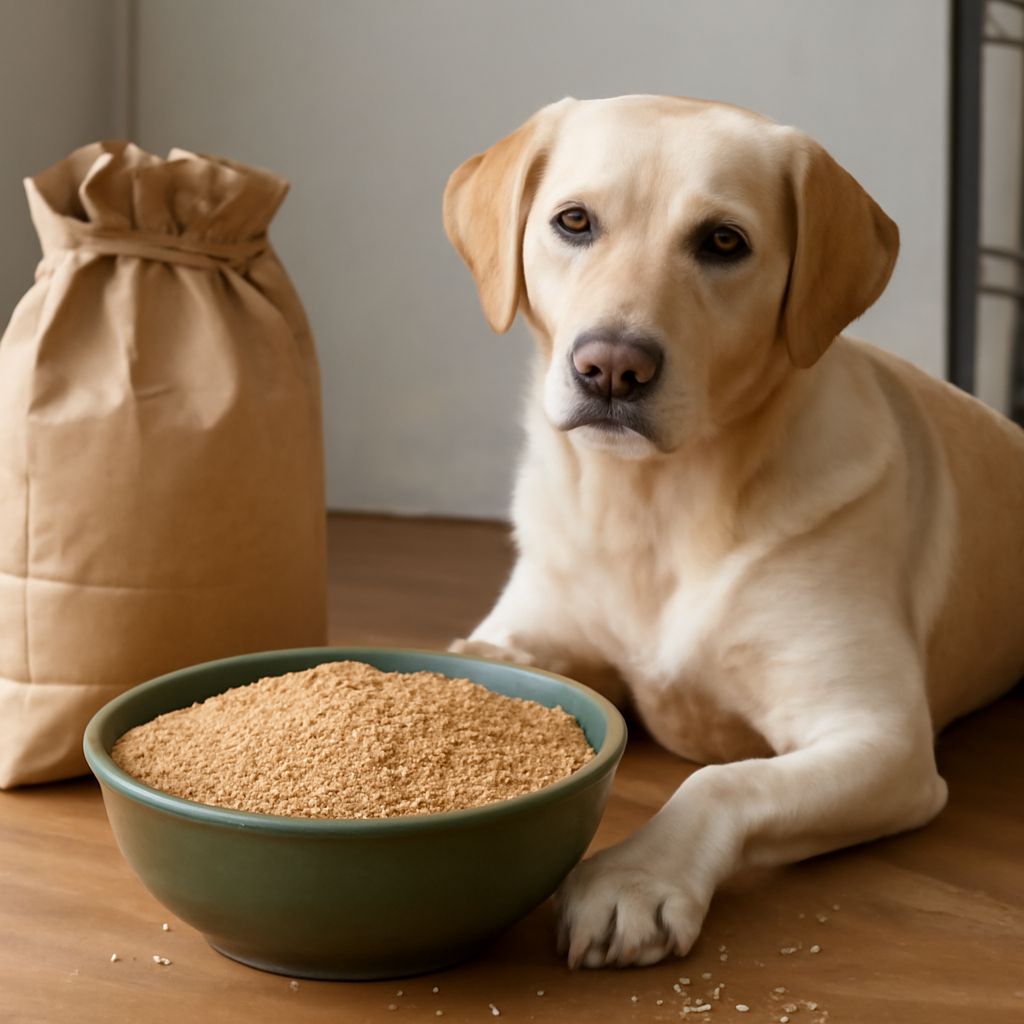

You’re making a quinoa bowl and your dog is watching every spoonful. Can your dog eat cooked quinoa? Yes: a little plain, fully cooked, unsalted quinoa is generally safe for a healthy dog. Can your dog have some quinoa from your dinner? Only if you set it aside before adding seasonings or other ingredients; the finished dish may be a different story.
Can Dogs Have Quinoa Safely?
For most healthy adult dogs, quinoa can be an occasional extra rather than a meal in its own right. It’s a seed often served like a grain, and it appears in some commercial dog foods. Cooked quinoa can give dogs carbohydrates, some protein and fiber, but a spoonful isn’t a shortcut to a better diet.
If you’re asking, “can dogs eat quinoa,” the useful next question is what else is in the bowl. Plain quinoa that dogs eat should be cooked in water and cooled first. A restaurant pilaf with sauce, onion or garlic is not a safe sharing option. Even a food that looks simple may contain seasoned broth or a spice blend.
Some dogs can have a little cooked quinoa without trouble; others may develop an upset stomach. Check with your veterinarian before introducing it, especially if your dog has a health condition, food sensitivity, or a prescribed diet. Puppies and dogs with ongoing digestive problems deserve individual advice too.
What does quinoa add to a dog’s diet?
So, is quinoa good for dogs? It supplies nutrients, but that doesn’t make it necessary for every dog. The American Kennel Club notes that the seed is used in some dog foods. A complete and balanced commercial diet is formulated to meet a dog’s nutritional needs; a sprinkle of quinoa won’t fix an otherwise incomplete diet.
The case for quinoa being good for a dog is modest: it can add variety and provide a little fiber and protein. Whether quinoa is beneficial for dogs depends on their overall diet and the portion served. A treat-sized spoonful supplies only a small amount of nutrients, so keep complete and balanced food as the main event.
If you want to use quinoa as food for dogs, think of it as an occasional topping. Quinoa can benefit dogs who enjoy a change in texture, but there is no need to replace rice or change a diet that is already working.
How to prepare a safe serving
Preparing quinoa for dogs is straightforward, but keep their portion separate from yours:
- Rinse the dry seeds in a fine-mesh strainer under running water. Quinoa has a natural coating containing compounds called saponins; rinsing helps remove residue that could irritate the digestive tract.
- Cook it thoroughly in plain water, following the package directions. Skip salt, stock, oil, butter and seasoning. Use no onion or garlic, including powders.
- Let it cool to room temperature. Your dog can have cooked quinoa soft and plain, either on its own or mixed into the regular meal.
- Start small. A small dog might begin with about half a teaspoon; a larger dog might try one teaspoon. A dog can eat plain quinoa in this small portion as a first taste; it is not a daily feeding target.
Introduce only one new food at a time, so you can tell what may have caused a reaction. Watch your dog over the next day or two for vomiting, loose stool, itching or other changes. Stop serving the seed if your dog seems uncomfortable, and call your vet if signs persist, worsen or concern you.
When making a batch of quinoa to feed your dog, refrigerate leftovers promptly in a covered container and use them within a few days. Dogs may eat cooked quinoa from the refrigerated batch, but discard it if it smells off or has sat out too long.
How much is too much?
Even when dogs can eat quinoa comfortably, more isn’t necessarily better. A large helping can crowd out balanced food and add calories your dog doesn’t need. The World Small Animal Veterinary Association recommends that treats make up no more than 10% of a dog’s daily calories; the remaining calories should come from a complete diet.
A dog may have quinoa as a topping within that allowance. Count it along with training treats, chews and other extras. Your vet can help translate that calorie allowance into a practical amount for your dog’s size and condition. If you are considering feeding quinoa to dogs regularly, ask for a portion that fits their individual plan.
Which quinoa dishes should stay off limits?
Plain is the rule. Garlic, onions, chives and their powdered forms can harm dogs, while raisins and grapes are also dangerous. The ASPCA’s guide to foods to avoid explains these risks. Broth, dressings and packaged mixes can hide ingredients you wouldn’t expect, so read the full label before sharing anything.
Rich or fatty additions can also upset a dog’s stomach. Avoid spicy sauces, salty seasonings and buttery leftovers. Dogs may have plain quinoa occasionally, but if you can’t identify every ingredient in a prepared dish, leave it out of the bowl. Can dogs have quinoa when it’s mixed into a salad? The answer depends on everything in that salad, not just the seed.
When should you call the vet?
If your dog ate a dish containing onion, garlic, raisins or another potentially toxic ingredient, contact your veterinarian or the ASPCA Animal Poison Control Center at (888) 426-4435 promptly. Don’t wait for symptoms or induce vomiting unless a professional tells you to. Have the recipe, amount, time eaten and dog’s weight ready; a fee may apply.
For plain quinoa, call your vet if vomiting or diarrhea persists, or if your dog seems unwell. Seek urgent veterinary care for severe symptoms such as repeated vomiting, collapse, trouble breathing or marked weakness. A dog that ate a large amount, or has a medical condition, may need advice even before signs appear.
Still wondering, “is quinoa ok for dogs”? For a healthy dog, a small, plain serving is generally a reasonable occasional choice, provided your vet agrees. Whether quinoa is okay for your dog depends on their health, the portion and the ingredients. Before your next meal, check your pantry label and set aside a little unseasoned cooked quinoa for a first taste.