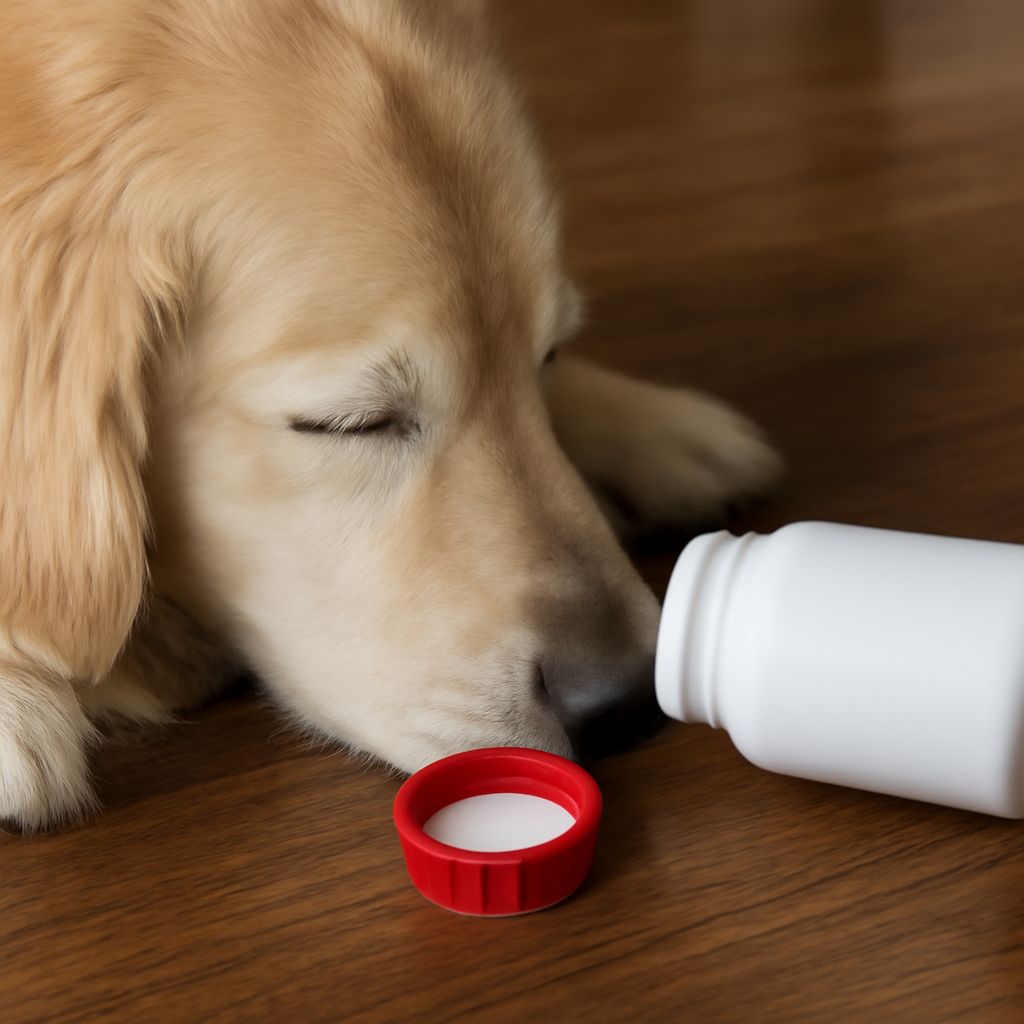

In our pursuit of optimal care for our canine companions, it’s crucial to address the question: can dogs take ibuprofen? The short answer is no, they should not. While ibuprofen is a staple in our medicine cabinets for pain relief, when it comes to our dogs, its use is fraught with significant risks. As pet owners, we must be vigilant about what medications are suitable for our furry friends and explore safer alternatives that ensure their well-being. Understanding the potential dangers and knowing the symptoms of ibuprofen toxicity in dogs can help us act swiftly and choose appropriate treatments to maintain their health.
Introduction to Ibuprofen and Dogs
Ibuprofen, a non-steroidal anti-inflammatory drug (NSAID), is commonly used by humans to alleviate pain, inflammation, and fever. However, when it comes to canine care, ibuprofen is not just inappropriate; it can be exceptionally harmful. Our dogs metabolize substances differently than we do, making some human medications dangerous. Can dogs have ibuprofen for occasional aches or pains? No, because their systems cannot handle the drug safely, leading to serious health issues. Knowing this, we must always consult veterinarians for guidance on safe treatments.
Why Ibuprofen is Dangerous for Dogs
The primary reason ibuprofen poses a threat to dogs is its potential to cause severe gastrointestinal upset, renal failure, and even neurological damage. When we consider administering ibuprofen to our dogs, we must recognize that their digestive systems are not equipped to process the drug, resulting in toxicity. The dangers of ibuprofen for dogs are manifold, including stomach ulcers and kidney damage due to the drug’s interference with important physiological pathways. These risks underscore the importance of seeking professional advice and relying on pet-specific medications.
Symptoms of Ibuprofen Toxicity in Dogs
Recognizing the symptoms of ibuprofen toxicity in dogs is critical for prompt intervention. Common signs include vomiting, diarrhea, loss of appetite, and lethargy. In more severe cases, dogs may experience kidney failure, manifesting as increased thirst and urination, swelling, and abdominal pain. Neurological symptoms like disorientation or seizures might also appear. By being aware of these symptoms, we can take immediate action to prevent irreversible damage. If we suspect ibuprofen ingestion, contacting a veterinarian immediately is imperative.
Safe Alternatives to Ibuprofen for Dogs
Fortunately, there are various safer alternatives to ibuprofen for dogs that can effectively manage pain and inflammation. Veterinarians often recommend medications specifically formulated for canine use, such as carprofen or meloxicam, which are less likely to cause adverse reactions. Additionally, incorporating joint supplements containing glucosamine and chondroitin can support joint health naturally. Exploring these options not only avoids the hazards associated with ibuprofen but also ensures our pets receive the best care tailored to their needs.
What to Do if Your Dog Ingests Ibuprofen
If we discover that our dog has ingested ibuprofen, acting quickly is crucial. The first step is to consult a veterinarian without delay. They may induce vomiting to prevent further absorption or administer activated charcoal to bind the drug in the stomach. In some cases, hospitalization may be necessary to provide supportive care such as IV fluids and medications to protect the kidneys and gastrointestinal tract. Time is of the essence, and prompt veterinary intervention can be lifesaving, preventing the progression of toxicity and ensuring our dog’s recovery.
Preventing Accidental Ibuprofen Ingestion
Prevention is always better than cure when it comes to protecting our pets from dangers like ibuprofen. Store all medications out of reach of pets and opt for child-proof containers when possible. Being mindful of where we leave bottles and ensuring they are secure can prevent accidental ingestion. Additionally, educating family members about the risks associated with human medications for dogs is essential. By taking these precautions, we can minimize the chances of accidental exposure and keep our canine companions safe.