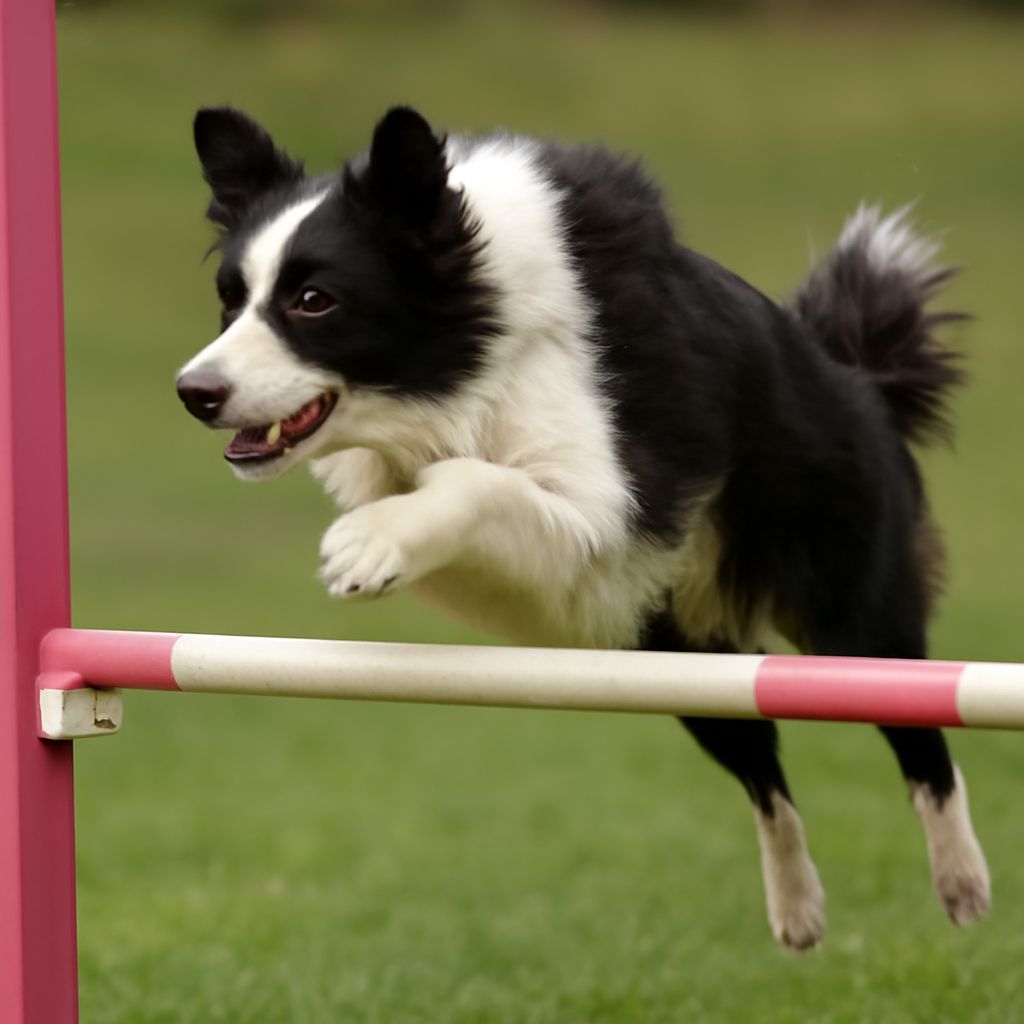

A good introduction to agility can give you and your dog a shared activity built on trust, movement, and small successes. The right agility course for your dog starts at a comfortable pace, with an instructor who shows you how to reward each step. With thoughtful training, dogs can learn agility skills while you learn to read their signals and guide them clearly.
Agility Training for Dogs: What to Expect
Agility is a team activity in which a handler guides a dog through obstacles such as tunnels and jumps. In beginner agility lessons for dogs, you might start with attention games, simple handling cues, and introductions to equipment before trying a full course of obstacles for dogs. The American Kennel Club’s beginner guide describes classes as a way to learn the obstacles and basics of the sport. Competition is optional.
A dog agility course in a class is also a learning environment: the surface, other teams, and instructor’s approach all affect your dog’s experience. Look for a dog agility class where you can take breaks and work at your own pace. Good agility training for dogs leaves room for sniffing, thinking, and occasionally wondering why a tunnel is so exciting.
Is Your Dog Ready to Start?
You do not need a perfectly trained athlete. It helps if your dog can take a treat, notice you, and respond to a familiar cue in a fairly quiet place. If that falls apart around other dogs, ask about a smaller group or private introduction. Foundation work can make a group setting easier later.
Consider your dog’s comfort with movement and unfamiliar places. A dog who willingly explores, recovers after a surprise, and can settle between turns may enjoy a beginner session. A dog who freezes, repeatedly tries to leave, or cannot eat in that setting needs more distance and a gentler introduction. Watch the whole dog: one yawn alone is less informative than a pattern of tense posture and avoidance.
Before choosing a course for canine agility, discuss new exercise with your veterinarian if your dog has pain, mobility concerns, a health condition, or is growing. Puppies can practice attention and body awareness, while an instructor and veterinarian can help you choose age-appropriate activities. Avoid asking a growing puppy to tackle full-height jumps or demanding equipment. The AKC’s puppy guide suggests building foundation skills gradually.
How to Choose a Group and Instructor
When comparing agility classes for dogs, ask to observe a session without your dog. Watch how each dog moves around the agility course and rests between turns. Notice whether teams have enough space, whether the instructor explains each exercise, and what happens when a dog hesitates. A thoughtful instructor may lower the difficulty, increase distance, or offer a break. Never drag or punish an unsure dog.
Ask these questions before enrolling:
- How do you teach a new obstacle? Listen for small steps and rewards, with an option to pause.
- What happens when a dog is nervous or distracted? The instructor should describe a practical adjustment, such as moving farther away or working separately.
- How many teams are in the group? Ask how turns and resting spaces are managed; a busy room can be difficult for a dog who needs distance.
- What equipment and surfaces are used? Look for a canine obstacle course with stable, well-maintained equipment and footing that gives dogs traction.
- Can we try a session or start privately? A trial agility lesson with your dog helps you see whether the setting suits both of you.
The American Veterinary Society of Animal Behavior recommends reward-based methods and advises against aversive tools and punishment. Ask what the trainer actually does when a dog makes a mistake. An answer about guiding the dog toward an easier success tells you more than a label on a website.
Some dog agility classes focus on recreational fun; others prepare teams for competition. Tell the instructor what you want. If you simply want a shared activity, a foundation group with flexible goals may suit you better than a fast-paced competition track. Compare the class schedule, travel time, and cost too: a manageable routine makes regular practice easier.
Build Skills One Small Step at a Time
Start with rewards your dog enjoys: tiny treats, a favorite toy, or a brief game. Mark the behavior you want with a consistent word such as “yes,” then give the reward promptly. For example, reward your dog for looking at you, then for following you a few steps. Keep sessions short enough that your dog stays engaged, and finish while there is still enthusiasm in the tank.
In a dog agility course, the instructor may first reward a dog for approaching a tunnel, then for looking inside, and later for moving through it. Let your dog choose to approach. If your dog backs away or stops taking treats, make the task easier and give them space. There is no prize for persuading a worried dog to hurry.
Good agility training for dogs also teaches the human half of the team. Practice clear cues, reward placement, and moving smoothly beside your dog. Add distractions or link skills only when the current step feels comfortable. Several short successes can teach more than one long session in which everyone gets tired.
To prepare your dog for agility training, practice attention, a hand target, or a relaxed pause on a mat at home. Use a clear, nonslip space and follow your instructor’s advice about which exercises are suitable. Save unfamiliar equipment and more demanding moves for guided sessions. Training a dog for agility should fit alongside walks, rest, and the ordinary pleasures of being a dog.
Make the First Visit Comfortable
Bring water, small rewards, a leash, and a mat if the facility suggests one. Give your dog a chance to toilet before class, then arrive with enough time to settle without rushing into a crowded doorway. Ask where teams wait and whether your dog can rest at a distance from others.
During the session, look for a loose body, interest in rewards, and willingness to return to the agility obstacles after a break. If your dog becomes overwhelmed, step away and tell the instructor what you noticed. A shorter visit can still be productive. Afterward, let your dog rest and pay attention to any unusual stiffness or reluctance to move; contact your veterinarian if you are concerned.
Agility courses for dogs vary in noise, group size, and pace. A quiet beginner class may fit a cautious dog, while a confident dog who enjoys other teams may settle comfortably in a busier group. When you compare dog agility courses, choose the one where the instructor can explain how they will adapt the first lesson to your dog. That answer is more useful than a promise of quick progress.