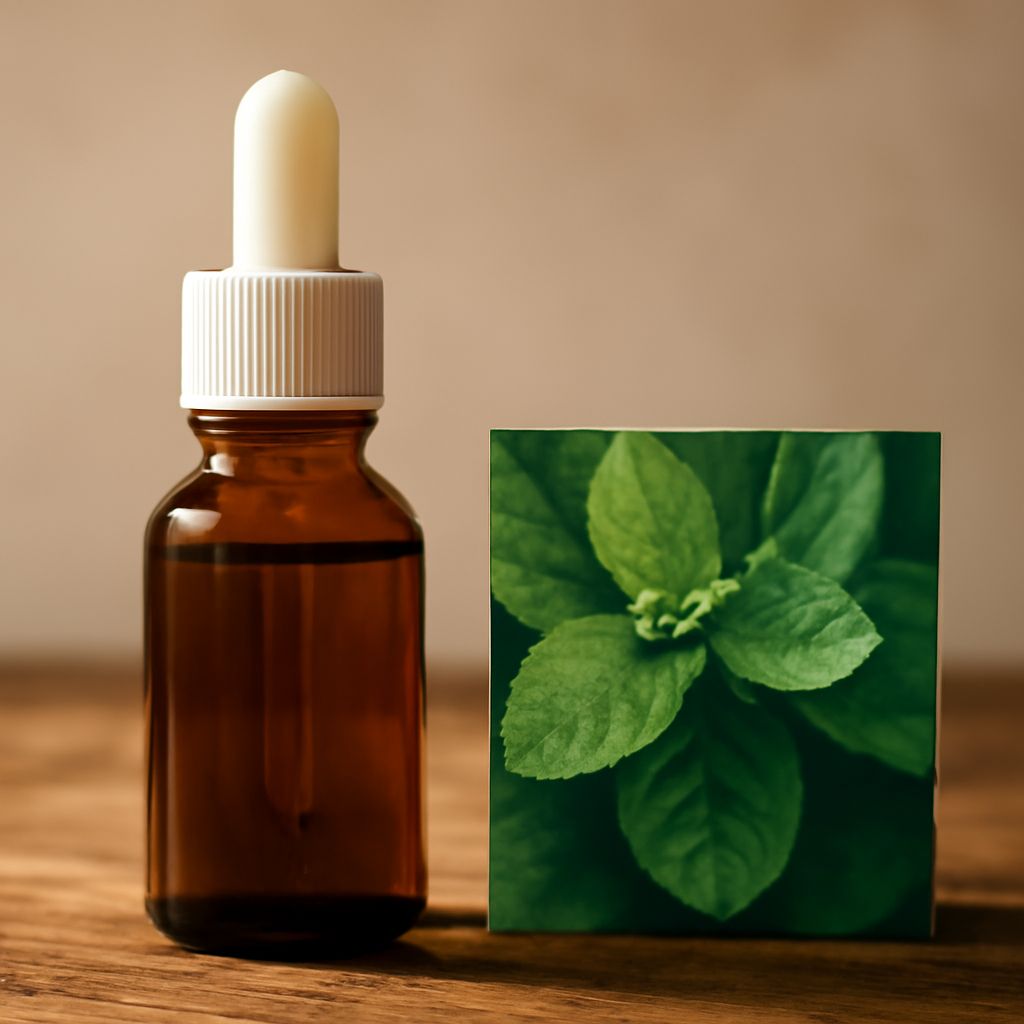

As pet owners, we’re always seeking natural solutions to support our companions’ health. Oregano oil for dogs has recently gained attention for its purported antibacterial, antifungal, and immune-boosting properties. But before we add any new supplement to our dogs’ routines, it’s crucial to ask: is oregano oil safe for dogs? In this article, we’ll explore the science, safety, and best practices around incorporating oregano oil into your dog’s wellness plan.
Let’s break down what oregano oil really is, its potential benefits, the associated risks, and how to safely use it in partnership with your veterinarian. Our goal is to help you make informed, evidence-based decisions for your dog’s health and wellbeing.
What Is Oregano Oil and Why Consider It for Dogs?
Oregano oil is derived from the leaves and flowers of the oregano plant, Origanum vulgare. It’s a potent essential oil containing compounds like carvacrol and thymol, which are known for their strong antimicrobial and antioxidant properties. In human wellness, oregano oil has been used to manage a range of conditions, from colds to skin irritations. But what about its use in our canine companions?
Many of us are drawn to oregano oil for dogs because of its natural origin and reputation as a holistic remedy. The interest largely stems from anecdotal reports and some preliminary research suggesting oregano oil may help address issues like infections, digestive upsets, and inflammation. However, the concentration and potency that make oregano oil effective can also pose risks, especially for small or sensitive pets.
Given that dogs process substances differently than humans, it’s vital to understand how oregano oil might affect them specifically. Not all natural remedies are automatically safe for our pets, and the nuances of dosage, administration, and individual health status must be considered.
Is Oregano Oil Safe for Dogs?
The question “is oregano oil safe for dogs” depends on several factors, including the oil’s concentration, your dog’s size, age, existing health conditions, and how the oil is administered. Pure essential oils are typically far too concentrated for direct use on pets and can cause significant irritation or toxicity if not diluted properly.
When used with caution and under veterinary guidance, oregano oil for dogs may be considered safe in limited, diluted amounts. Oral or topical applications should always employ an appropriate carrier oil to reduce potency and minimize the risk of adverse reactions. Moreover, it’s best to use products specifically formulated for pets, as these are designed with their safety in mind.
We must remember that each dog’s sensitivity can vary, and what works for one may not suit another. Puppies, pregnant or nursing dogs, and those with liver or kidney issues are particularly vulnerable and should avoid oregano oil unless explicitly approved by a vet. Keeping these factors in mind will help us protect our pets’ health while exploring natural support options.
While some owners have reported success using oregano oil for dogs, the evidence base is still developing. Until more research is available, we must approach its use with caution, ensuring our pets’ wellbeing is always the top priority.
Potential Health Benefits of Oregano Oil for Dogs
Advocates of oregano oil for dogs highlight several potential benefits. The oil’s active compounds, carvacrol and thymol, have demonstrated antimicrobial properties, effective against some bacteria and fungi in laboratory settings. This has led some pet owners and holistic veterinarians to use oregano oil as a supplement for minor infections, or as a natural additive to support immune health.
Additionally, oregano oil may help with certain skin conditions. When properly diluted, it’s sometimes applied topically to soothe itchy or inflamed areas, or to deter fungal growth. Some commercial pet shampoos and sprays harness oregano oil’s properties for these reasons.
In the digestive realm, oregano oil is occasionally used to help manage symptoms of gastrointestinal upset, such as diarrhea or bloating, owing to its purported antimicrobial effects. However, it is essential to note that most of these benefits are based on preliminary studies or extrapolated from human research. While promising, they should never replace proven veterinary treatments for serious illnesses.
Ultimately, any supplementation with oregano oil for dogs should be considered supportive, not curative. Incorporating it as part of a broader health plan, and only in consultation with a veterinarian, is the wisest approach.
How to Use Oregano Oil for Dogs Safely
Safety is paramount when considering oregano oil for dogs. First, we must select high-quality, 100% pure oregano oil—preferably one labeled for pet use. Essential oils for humans may contain additives or concentrations that are unsafe for animals.
Dilution is crucial. Oregano oil should always be mixed with a safe carrier oil, such as olive or coconut oil, before any topical or oral use. A common dilution ratio is one drop of oregano oil to at least one teaspoon of carrier oil, but even this may be too strong for sensitive dogs. Begin with the weakest effective concentration and observe your dog closely for any signs of discomfort or irritation.
When administering oregano oil to dogs, never apply it near the eyes, nose, or open wounds. Oral use should be approached with extra caution, as ingestion of too much can cause gastrointestinal distress or toxicity. Always follow your veterinarian’s guidance on dosage and application method.
Before starting any new supplement, we should introduce it gradually and monitor for side effects. Remember, consistency with established medications and monitoring for interactions is essential. Keep all essential oils, including oregano oil, safely out of reach when not in use to avoid accidental ingestion.
Risks, Side Effects, and When to Avoid Oregano Oil
Despite its potential upsides, oregano oil carries notable risks. Side effects in dogs can include vomiting, diarrhea, drooling, skin irritation, and even allergic reactions. Concentrated oils may burn or harm sensitive tissues if misused. Signs of toxicity, such as difficulty breathing, lethargy, or collapse, require immediate veterinary attention.
Some dogs—especially puppies, pregnant or nursing females, and those with pre-existing liver or kidney disease—should not use oregano oil at all. Dogs on certain medications may also be at risk for harmful interactions. For these reasons, oregano oil for dogs should never be administered without professional input.
If your dog develops any negative symptoms after exposure to oregano oil, discontinue use at once and consult your vet. It’s essential to differentiate between mild, brief side effects and more severe reactions that warrant urgent care.
In essence, while oregano oil may offer benefits, the margin for error is narrow. Prioritize your dog’s safety by using oregano oil judiciously and only when appropriate for your pet’s unique needs and health status.
Consulting Your Vet About Oregano Oil for Dogs
Before considering oregano oil for dogs, a conversation with your veterinarian is essential. Vets can evaluate your dog’s specific health profile and guide you on whether oregano oil is appropriate. They might recommend alternative, evidence-based treatments or help you identify safe dosages and administration methods.
Always share any supplements or remedies you’re using or considering. This ensures your vet can monitor for interactions and help you spot early signs of adverse effects. Collaborative care keeps your pet safe and maximizes the benefits of any new addition to their regimen.
Ultimately, while natural remedies hold appeal, their use must be balanced by scientific evidence and professional oversight. Oregano oil is just one tool among many in our wellness toolkit, and your vet’s expertise is indispensable in navigating its safe, effective use.
Pro tips recap: When it comes to oregano oil for dogs, prioritize safety: always dilute, monitor closely, and consult your veterinarian before use. Natural supplements can enhance our pets’ wellbeing, but only when integrated thoughtfully and responsibly into their care plans.