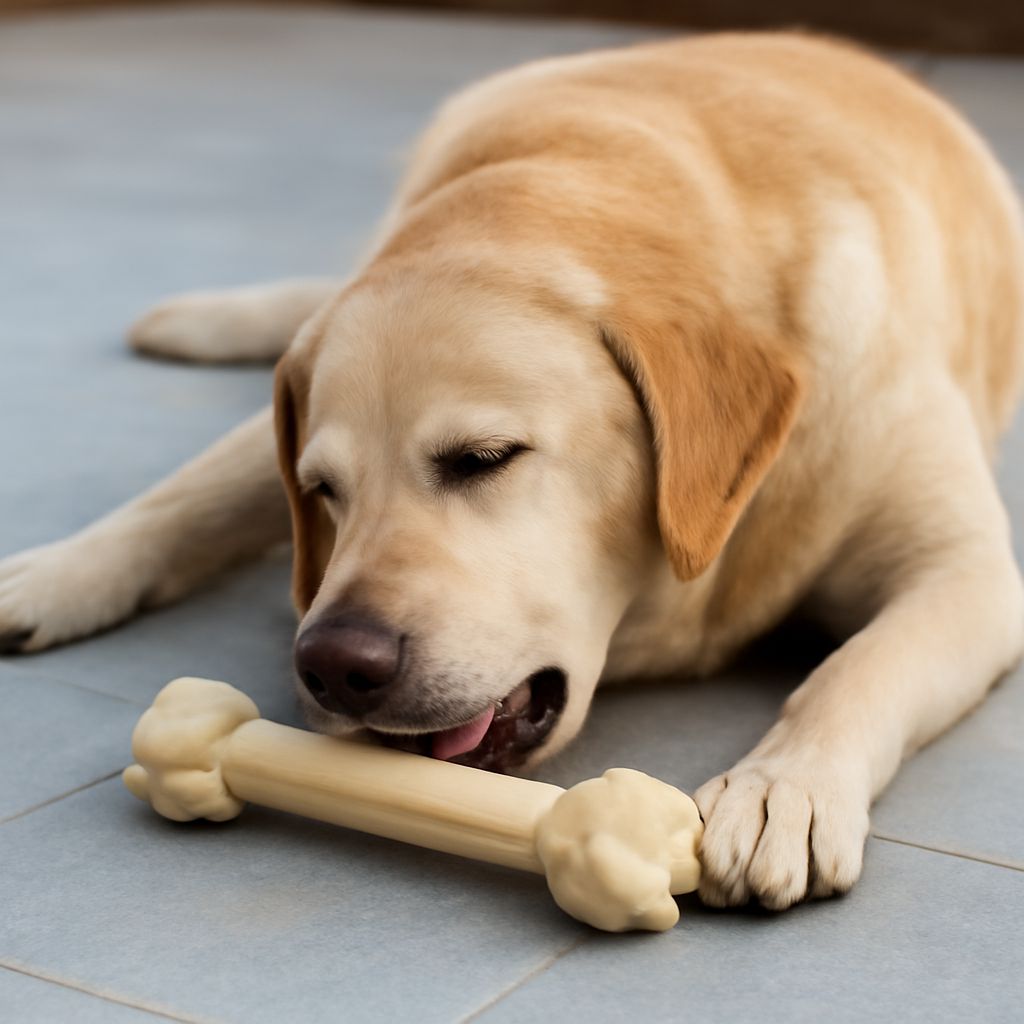

Many of us have wondered, “Is rawhide good for dogs?” While these popular chews are frequently seen in pet stores, the debate surrounding their safety and benefits continues. As responsible pet owners, we must make informed decisions about what we offer our furry friends. In this article, we will explore the intricacies of rawhide bones and chews for dogs, discuss their potential benefits and drawbacks, and guide you in choosing the best rawhides for optimal canine health.
Understanding Rawhide: What Is It?
Rawhide is a byproduct of the leather industry, typically made from the inner layer of cow or horse hides. Once cleaned and cut, the hides are shaped into chews, such as bones, that appeal to many dogs. These products are then dried and sometimes flavored to make them more enticing to our pets. Understanding this manufacturing process helps us grasp the potential risks associated with rawhide consumption.
Though rawhide has been a traditional choice for dog chews, it is crucial to understand what goes into the making of these products. Rawhide bones and chews for dogs can vary greatly in quality, with some undergoing minimal processing and others being treated with chemicals like bleach or artificial flavorings.
Is Rawhide Bad for Dogs? Potential Risks
One of the most pressing concerns is whether rawhide is bad for dogs. Our pets’ health and safety are paramount, and several risks come with feeding them rawhide. One significant danger is the potential for choking, particularly with aggressive chewers who may break off large pieces. These fragments can become lodged in a dog’s throat or digestive tract, leading to emergency situations.
Additionally, rawhide chews can be difficult for some dogs to digest. Undigested pieces can cause gastrointestinal blockages, which may require surgical intervention. Furthermore, rawhide chews treated with chemicals can pose additional health risks, such as allergies or digestive disturbances.
Another concern is the origin of the rawhide. It is essential to consider where and how these products are made, as some countries may have less stringent regulations, increasing the risk of contamination or exposure to harmful substances.
Is Rawhide Good for Dogs? Potential Benefits
Despite the risks, many pet owners wonder if rawhide can be good for dogs. One of the primary benefits is dental health. Chewing on rawhide can help reduce plaque and tartar buildup, promoting healthier teeth and gums. This natural dental cleaning is especially appealing for dogs that do not tolerate tooth brushing.
Rawhide also provides mental stimulation. The act of chewing can engage dogs, reduce boredom, and prevent destructive behavior. For dogs that enjoy gnawing, rawhide might offer a satisfying outlet.
Moreover, rawhide chews can be a healthy treat option when given in moderation and under supervision. It’s essential to select high-quality products and ensure the size and texture are appropriate for your dog’s size and chewing habits.
Choosing the Best Rawhides for Dogs
When selecting rawhide bones and chews for dogs, consider the quality and source of the product. Opt for rawhides manufactured in countries with rigorous safety standards, and always read the labels for any added chemicals or artificial flavors. Selecting products that are free from harmful additives can minimize health risks.
Size matters when it comes to choosing the best rawhides for dogs. Ensure that the chew is appropriately sized for your dog to prevent choking hazards. Additionally, monitor your dog while they enjoy their rawhide chew to prevent any potential mishaps.
Finally, consult with your veterinarian about the best rawhide options for your dog, especially if they have specific dietary needs or health conditions.
Alternatives to Rawhide Bones and Chews
If you’re concerned about the risks associated with rawhide, several alternatives can provide the same benefits without the potential dangers. Dental chews specifically designed to clean teeth can be an excellent substitute, offering similar dental health advantages without the risk of choking.
Natural chews, such as bully sticks, pig ears, or antlers, may also serve as suitable replacements. These alternatives are often easier to digest and come in various shapes and sizes to cater to different dogs’ preferences.
For those seeking non-edible options, durable rubber toys can offer mental stimulation and satisfy a dog’s urge to chew. These toys are long-lasting and often designed to be stuffed with treats, keeping dogs engaged for extended periods.
Ultimately, the choice between rawhide and its alternatives should be based on your dog’s unique needs and preferences. By considering the pros and cons and consulting with your veterinarian, you can make a well-informed decision that prioritizes your dog’s health and happiness.