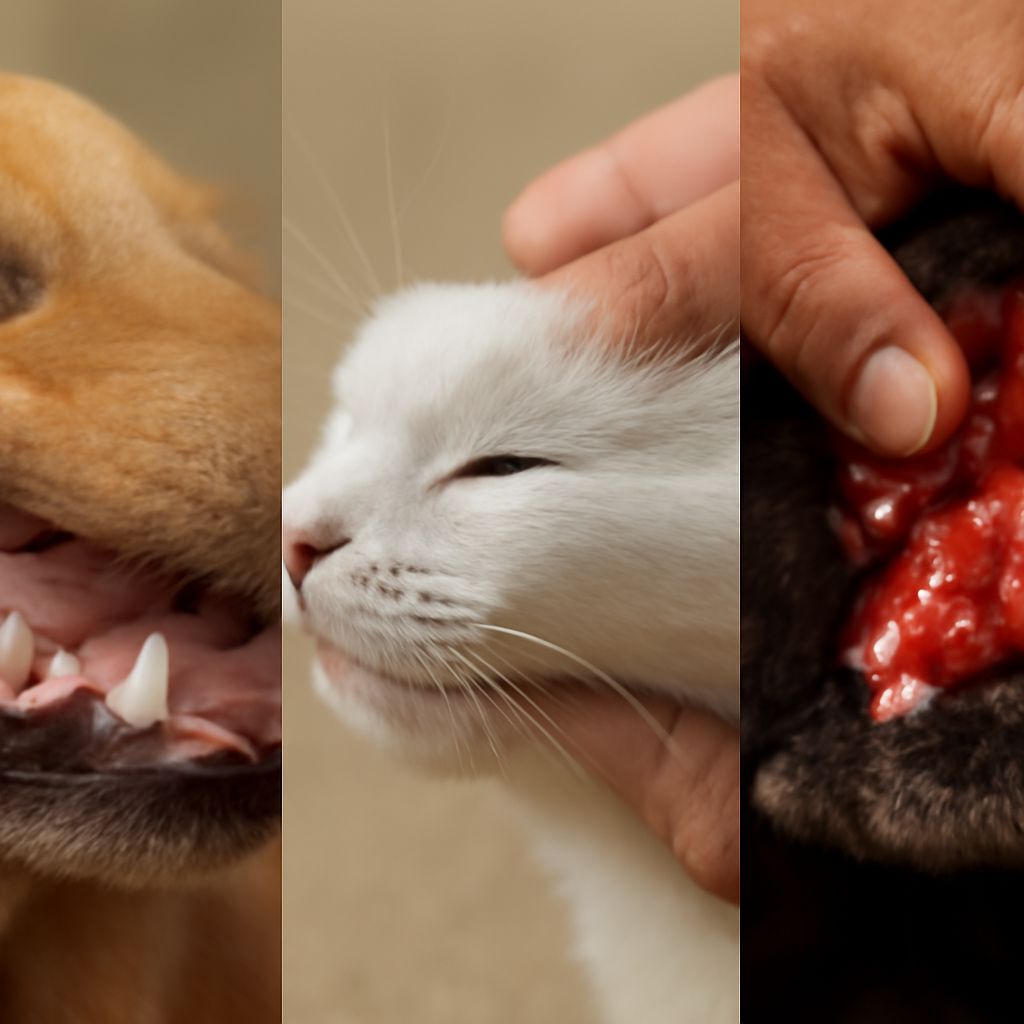

As pet owners, it’s important to pay attention to our dog’s health, including the color of their gums. Pale gums in dogs can be a sign of underlying health issues and should not be ignored. When a dog’s gums are white, it may indicate a variety of conditions, some of which can be serious. By understanding the potential causes of pale and white gums in dogs, we can ensure our pets receive timely care. In this article, we will explore the causes and solutions for pale gums in dogs, offering insights into when to seek further veterinary attention.
Understanding Pale and White Gums in Dogs
Gums serve as a useful indicator of a dog’s overall health. Normally, they are a bubblegum pink color, indicating good blood circulation. Pale gums in dogs, however, can signal that something is amiss. A simple at-home check can provide valuable information about your dog’s health. By lifting your dog’s lip and observing the gum color, we can quickly assess whether their gums look healthy or if they might be a cause for concern.
Gum color can vary slightly between breeds and individual dogs, but a significant change to pale or white gums may suggest a problem. It’s essential to understand the difference between temporary changes in gum color, which can be harmless, and persistent changes that might indicate a health issue.
Common Causes of Pale Gums in Dogs
Several potential causes can lead to pale gums in dogs. One of the most common reasons is anemia, which results from a lack of red blood cells. Anemia can be caused by various factors, including blood loss, poor nutrition, or chronic diseases. Another cause of pale and white gums in dogs is shock, which can occur due to trauma or severe dehydration.
Additionally, pale gums may result from heart or respiratory conditions that affect oxygen delivery to tissues. Parasites such as fleas, ticks, or worms can also drain blood supply, leading to anemia and pale gums. Identifying the underlying cause is crucial for effective treatment and prevention.
When to Worry: Signs That Need Immediate Attention
While not all cases of pale gums are emergencies, certain symptoms should prompt immediate veterinary consultation. If your dog’s gums are white and are accompanied by lethargy, difficulty breathing, or a rapid heartbeat, seek veterinary attention right away. These symptoms may indicate severe anemia or shock, both of which are medical emergencies.
Additionally, if your dog has pale gums and is experiencing vomiting, diarrhea, or noticeable weight loss, these could be signs of a serious underlying condition that needs prompt diagnosis and treatment.
Diagnosing Pale Gums in Dogs
Veterinarians use several methods to diagnose the cause of pale gums in dogs. A thorough physical examination is often the first step, focusing on the dog’s overall health and looking for any other symptoms. Blood tests can reveal anemia or infections and may provide insights into underlying issues such as kidney or liver disease. Imaging techniques, like X-rays or ultrasounds, might be used to assess the heart and lungs.
In some cases, additional testing may be required to pinpoint the exact cause of the pale gums. By identifying the root problem, veterinarians can recommend the most appropriate treatment plan for your pet.
Treatment and Prevention for Pale Gums
Treating pale gums in dogs depends on the underlying cause. For cases related to anemia, treatment might include dietary changes, supplements, or medication to boost red blood cell production. If parasites are the culprit, deworming or flea and tick prevention treatments will be necessary.
In emergencies, such as shock or severe blood loss, immediate interventions like fluid therapy or blood transfusions might be required. Preventing pale gums involves regular veterinary check-ups and maintaining good overall health practices, including proper nutrition and parasite control.
We should also be proactive in monitoring our pets for signs of illness and ensuring they have access to clean water and a healthy diet. By taking these steps, we can help keep our furry friends healthy and happy.
Safety recap: If you’re using tools to examine gums or treating color changes, always seek professional guidance to prevent harm. Proper color care is key to managing your dog’s health effectively.