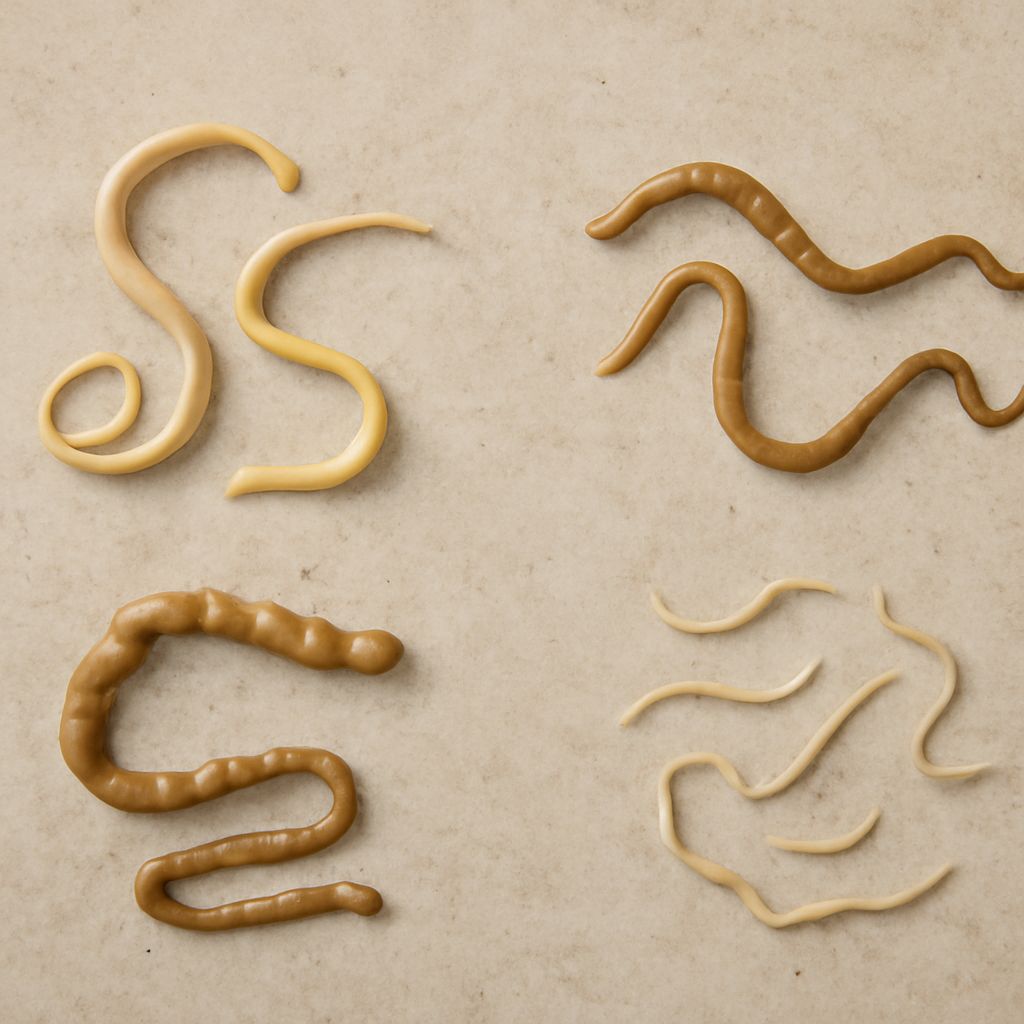

Whipworm in dogs is a common yet manageable issue, often raising concerns for pet owners who strive to maintain their pets’ health. Understanding how do dogs get whipworms, identifying whipworm symptoms in dogs, and learning about effective treatment options are crucial steps in ensuring our furry friends remain parasite-free. Equipped with this knowledge, we can make informed decisions to protect our pets from the discomfort and health risks associated with these parasites.
What Are Whip Worms in Dogs?
Whip worms, scientifically known as Trichuris vulpis, are intestinal parasites that primarily target the large intestine of dogs. These parasites attach themselves to the intestinal lining, feeding on the blood and tissue of their hosts. Their name is derived from their whip-like shape, with a thin anterior end and a thicker posterior end. Whipworms can cause significant health issues if left untreated, making it essential for us to recognize and address them promptly.
These parasites are prevalent worldwide, and their eggs can survive in the environment for years, posing an ongoing risk to our pets. The lifecycle of the whipworm begins when dogs ingest the eggs from contaminated soil, water, or objects. Once inside the host, the eggs hatch into larvae and mature into adult whipworms, continuing their cycle of reproduction.
How Do Dogs Get Whipworms?
Understanding how do dogs get whipworms is crucial for prevention. Whipworm eggs are passed through the feces of infected animals, contaminating the environment. Dogs typically become infected by ingesting these eggs, which can be found in soil, water, or on surfaces in areas frequented by other animals. Once ingested, the eggs hatch in the small intestine, and the larvae migrate to the large intestine where they mature into adults.
Our pets are most at risk in environments with high concentrations of dog feces, such as parks, kennels, and shelters. Proper hygiene and regular cleaning can reduce the risk of transmission, but it is challenging to completely eliminate exposure to these resilient eggs.
Identifying Whipworm Symptoms in Dogs
Whipworm symptoms in dogs can vary from mild to severe and may include diarrhea, weight loss, dehydration, and weakness. In some cases, dogs may exhibit no symptoms at all, making routine veterinary check-ups essential for early detection. Diarrhea is often the most common symptom, sometimes accompanied by blood or mucus, reflecting the irritation and inflammation whipworms cause in the intestines.
In severe cases, whipworm infestations can lead to anemia due to blood loss and chronic intestinal irritation. Observing our pets closely for any changes in their behavior or appearance can help us catch symptoms early and seek veterinary care promptly.
Diagnosis and Treatment of Whipworms in Dogs
Diagnosing whipworms typically involves a fecal examination where a veterinarian will look for the presence of whipworm eggs. However, due to the intermittent shedding of eggs, multiple tests may be needed to confirm an infection. Once diagnosed, effective treatment is available through prescribed anthelmintics that specifically target whipworms.
Treatment usually involves administering medication over a few weeks to ensure all life stages of the worms are eliminated. In some cases, follow-up treatments may be necessary to prevent reinfection. It’s crucial to follow the veterinarian’s instructions and complete the full course of medication even if symptoms improve.
Preventing Whipworms in Dogs
Preventing whipworms involves a combination of environmental management and regular veterinary care. Keeping our dogs’ living areas clean and removing feces promptly can help reduce the risk of environmental contamination. Regular worming treatments prescribed by a vet can also provide protection against whipworms and other intestinal parasites.
Additionally, monitoring our pets during walks and outdoor activities can prevent them from ingesting contaminated soil or water. Awareness and vigilance are our best tools in preventing whipworm infections, ensuring our pets remain healthy and happy.
Key takeaways: Whipworm in dogs is a common parasitic issue, but with diligent care and preventive measures, we can protect our pets. By understanding how dogs get whipworms, recognizing symptoms, and pursuing timely treatment, we ensure their health and well-being.