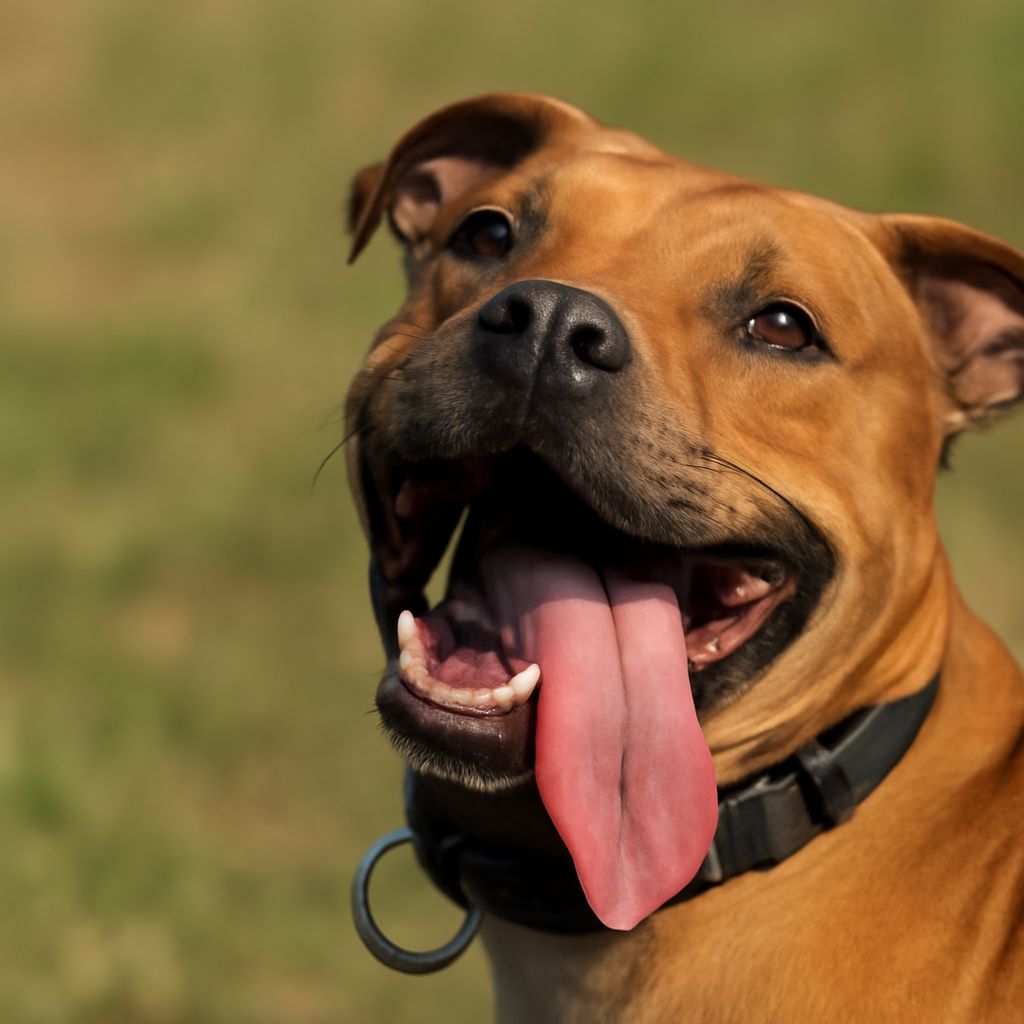

Many of us have experienced the situation where our dogs engage in heavy panting at night, leaving us wondering about the underlying causes and potential solutions. Understanding why your dog pants at night is crucial to ensuring their well-being and comfort. By exploring the factors that contribute to this behavior, we can determine when it’s time to worry and what practical steps can be taken to help our furry friends find relief.
Understanding Dog Panting at Night
Dog panting at night is a common occurrence that can stem from various factors. Panting is a natural process for dogs used to regulate body temperature and facilitate breathing. However, when it becomes excessive, especially during nighttime, it can be a sign of underlying issues ranging from environmental to medical conditions. It’s essential to carefully observe our dogs and understand their patterns to identify when panting becomes a concern.
Common Causes of Heavy Panting in Dogs
Several causes can lead to heavy panting in dogs, including environmental factors, health-related issues, and emotional stressors. Heat is a significant environmental factor; a warm room or a hot day can induce panting as dogs try to cool down. Health-related factors such as respiratory problems, heart conditions, or obesity may also contribute to heavy panting. Emotional stressors like anxiety or excitement can lead to increased panting, especially during nighttime when the house becomes quiet and any sudden noises might trigger nervousness.
Why Does My Dog Pant at Night?
When asking, “Why does my dog pant at night?” we must consider the combination of environmental, health, and emotional factors. For instance, if a dog is panting due to anxiety, they may be reacting to changes in their environment or sensing something unfamiliar during the night. Health issues like breathing difficulties or pain can also manifest more prominently at night when the dog is at rest. Additionally, dogs may pant due to discomfort from a warm sleeping area, urging us to reassess their bedding and room temperature.
When to Worry About Dog Pants at Night
While occasional panting is normal, we should be concerned if our dog pants heavily and persistently at night, especially if accompanied by other symptoms such as coughing, lethargy, or a change in appetite. These could be indicators of underlying health problems like heart disease or respiratory issues that require immediate veterinary attention. Keeping a close watch on our dog’s behavior can help us decide when it is time to consult a professional.
Practical Solutions if Your Dog Wakes Up Panting
If our dog wakes up panting, there are several practical solutions we can implement. First, ensure their sleeping area is cool and comfortable, perhaps using a fan or air conditioning on warmer nights. Regular exercise can help maintain their weight and reduce panting due to obesity. Creating a calming nighttime routine can alleviate anxiety, including soft music or calming scents. Finally, monitoring their water intake is vital, as dehydration can exacerbate panting.
Consulting a Veterinarian for Persistent Issues
When heavy panting at night persists despite our efforts, consulting a veterinarian is crucial. A veterinarian can perform a thorough examination to diagnose any medical conditions contributing to the panting. They may recommend tests such as blood work or X-rays to pinpoint the issue. Veterinary advice is indispensable for determining effective treatments, whether they involve medication, lifestyle changes, or further investigations.
Next steps: We should continue observing our dog’s panting patterns and remain vigilant for any changes. Regular check-ups with a veterinarian can help prevent issues before they escalate. By maintaining a comfortable, stress-free environment and attending to our dog’s health needs, we can ensure their nighttime comfort and overall well-being.