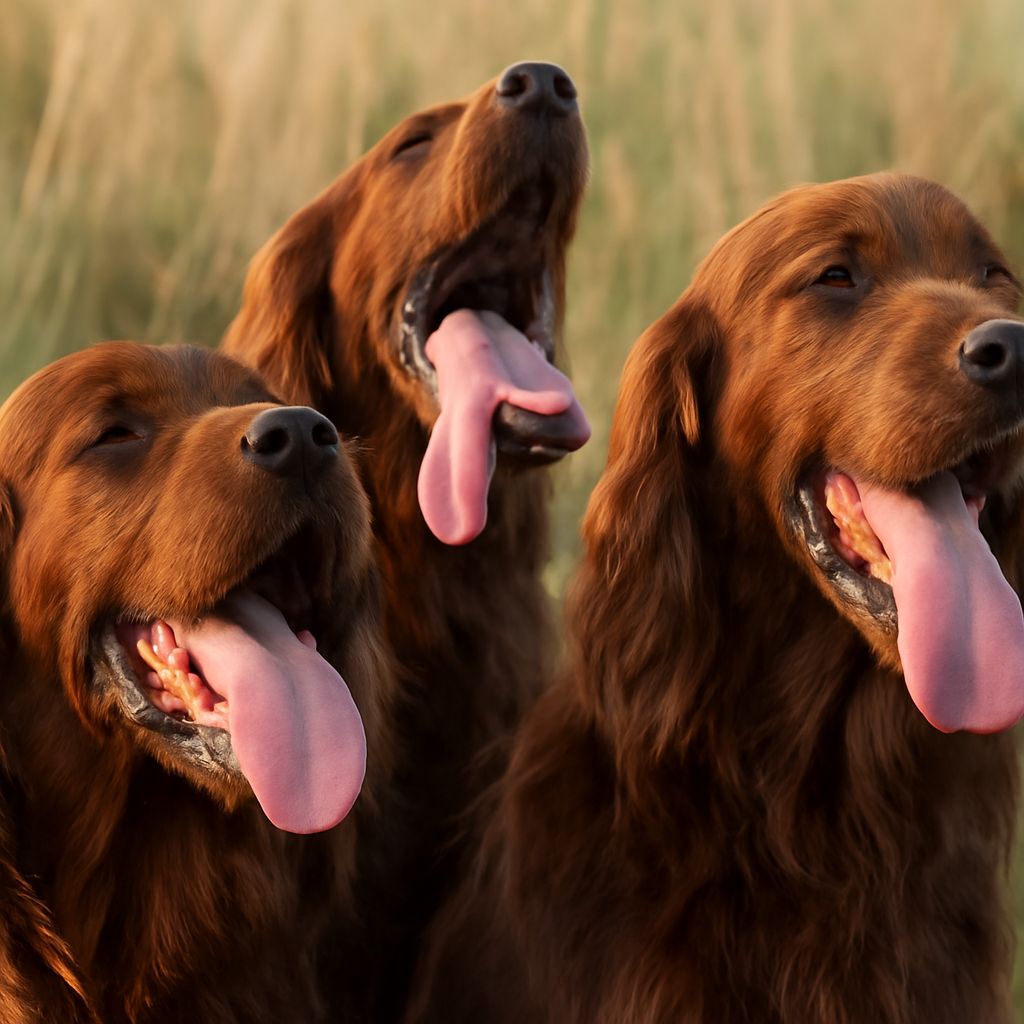

As devoted companions, dogs communicate with us in myriad ways, and understanding their cues is essential for their well-being. Often, we notice our furry friends panting, which may raise questions about what this behavior signifies. In this article, we’ll delve into why dogs pant and explore both the common and uncommon reasons behind this behavior. We’ll address concerns related to excessive panting in dogs and discuss preventative measures. By the end, you’ll be equipped with knowledge to ensure your pet’s health and comfort.
Why Do Dogs Pant? The Basics
Panting is a natural and necessary way for dogs to regulate their body temperature. Unlike humans, dogs don’t sweat through their skin. Instead, panting allows them to evaporate moisture from their tongues, and the lining of their lungs. This process helps to cool down a dog’s body. When we ask, “Why do dogs pant?” it is helpful to remember that this is their primary method of maintaining a safe temperature, especially after exercise or in warm environments.
In addition to temperature regulation, panting can occur when dogs are excited or stressed. If a dog anticipates a treat or sees a favorite person approaching, excitement might lead to increased respiration. Some dogs also pant when they experience anxiety, such as during a thunderstorm or fireworks.
Reasons Dogs Pant: A Closer Look
Understanding the specific reasons dogs pant requires us to observe their environment and behavior closely. Common reasons include physical exertion, as dogs will naturally pant after a good run in the park. Additionally, a dog might pant more in hot weather as they attempt to cool themselves. In these cases, panting is perfectly normal.
However, there are times when panting might indicate something more. For instance, obesity can cause dogs to pant more frequently, as carrying extra weight can make activities more strenuous. Additionally, certain breeds with flat faces, like Bulldogs and Pugs, are prone to panting because of their unique respiratory structures. This anatomical feature makes it harder for them to breathe efficiently, especially in warm weather.
Excessive Panting in Dogs: When to Worry
While light panting is often harmless, excessive panting in dogs can be a cause for concern. If we notice that our dog is panting heavily without having exercised or without a significant increase in temperature, it could be a sign of a medical issue. Conditions such as heatstroke, respiratory disorders, heart problems, or even pain can lead to abnormal panting.
Another reason for excessive panting might be a fever or infection. If your dog is also lethargic, has a reduced appetite, or displays any other concerning symptoms, it’s crucial to consult a veterinarian. Recognizing these signs early can prevent more serious health complications.
What to Do About Excessive Panting
If we suspect that our dog’s panting is excessive and not related to normal causes, there are steps we can take to address it. First, ensure that your dog is in a cool, comfortable environment and has access to plenty of water. Hydration can help regulate body temperature and improve breathing.
Next, observe your pet’s behavior and any additional symptoms. If the panting persists or if there are accompanying symptoms like coughing, retching, or difficulty breathing, contact your veterinarian promptly. They will be able to conduct tests to determine the underlying cause and recommend appropriate treatment.
Preventing Unnecessary Panting
Prevention is a key element in maintaining our dog’s health. To prevent unnecessary panting, we can ensure regular health check-ups and a balanced diet to avoid obesity. Exercise should be appropriate for the dog’s age, breed, and health status to avoid overexertion.
During warmer months, it’s important to provide shaded areas and avoid walking during peak heat. For dogs prone to anxiety, creating a calm environment and considering behavioral interventions or calming aids may reduce stress-induced panting.
Next steps: By understanding why dogs pant and recognizing the signs of excessive panting, we can take proactive steps in caring for our canine companions. Regular veterinary visits, proper hydration, and tailored exercise routines are essential in ensuring their well-being. Let’s remain observant and responsive to their needs, helping them lead healthy, happy lives.


